
Ingredients Categories
Finished Products
Finished Food Categories
- Bakery
- Beverages / Juices
- Cereal and grain products
- Confectionery
- Cooking Fats & Oils
- Dairy
- Egg products
- Fruits & Vegetables
- Infant & Baby food
- Meat, Poultry & Fish
- Nuts & Seeds products
- Other Finished Food Categories
- Pet Food
- Plant-based foods
- Prepared foods
- Sauces & Seasonings
- Sweet & Savoury Spreads
Specialised Finished Products
- Bee products
- Biotic products
- Dietary supplements
- Energy drinks
- Functional beverages
- Functional confectionery
- Functional food
- Functional powders
- Meal replacement products
- Nutricosmetics
- Other Specialised Finished Products
- Pet Dietary Supplements
- Pharma and OTC products
- Protein products
- Sugar replacers / Sweeteners
Health & Wellness Areas
Delivery Formats
Operations & Services
- 3D printing
- Analysis/ Testing
- Auditing & certifications
- Blending & mixing
- Bottling
- Certification
- Clinical trials
- Co-packing
- Coating
- Consulting
- Contract manufacturing
- Drying
- Electrospinning
- Encapsulating
- Enzymatic processing
- Extracting
- Extrusion
- Fat structuring
- Fermentation
- Filling
- Flavour development
- Freeze drying
- Granulating/ grinding/ milling / mixing
- High-pressure processing
- Labelling
- Other Operations & Services
- Packaging
- Packet filling
- Pasturising
- Quality assurance
- Saccharification
- Shear cell processing
- Spray drying
- Sterilisation
- Storage & Logistics
- Tabletting
- Toasting / roasting
- Ultra-high temperature processing
News
Swedish functional mushroom coffee brand blends health with hygge
Will Chu, Freelance Journalist 28 Oct 2024Swedish firm Rå Hygge has launched functional coffee made with the nootropic mushroom, tremella, that is said to promote digestive health thanks to its lower acidity.
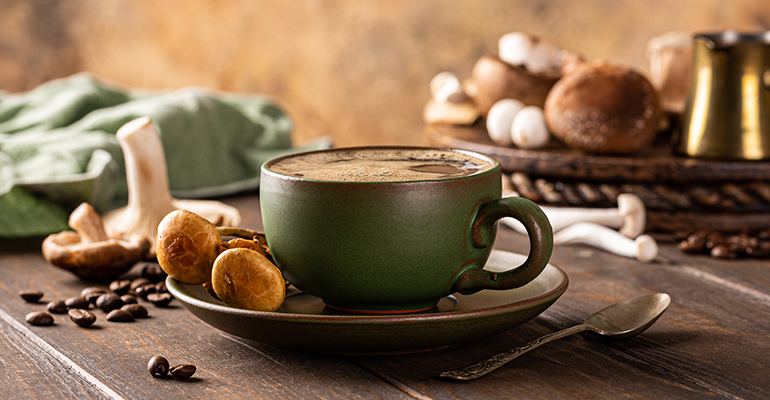
Founded by Finnish entrepreneur Irina Sandberg, Rå (pronounced Raw) Hygge offers an alternative to mainstream coffee with an organic blend that is “supercharged" with ingredients like the functional mushroom, Tremella, which has so far remained niche among Western consumers.
“By employing a combination of educational marketing, strategic partnerships, transparent communication, and targeted digital campaigns, we can effectively raise consumer awareness of Tremella mushroom coffee also in the Western part of the world where Traditional Chinese Medicine and medicinal mushrooms are not that well-known,” said Sandberg.
“Engaging consumers through informative and interactive approaches will help establish Tremella as a valued superfood in the health and wellness industry.”
Functional mushrooms are on trend – regulations are a barrier
Rå Hygge’s coffee comes at a time when key consumer demographics are shifting with Justdrinks noting that 20% of Gen Z and Millennials are now drinking nootropic or functional drinks.
However, when asked about specific mushrooms, YouGov data compiled on the UK market found that only 18% had heard of lion’s mane, 7% had heard of cordyceps, and even fewer have heard of reishi (3%), tremella (2%) or chaga (1%).
It could be argued that consumer preferences are not always the driving factor, as EU regulations and country-specific food authorities can restrict the use of certain ingredients.
“Despite our desire to include a variety of beneficial ingredients, some are not permitted in the EU or our region,” said Sandberg. “In the Nordics, we adhere strictly to regulations, and our food authorities are quick to intervene if an ingredient is listed as novel.
“For instance, when I first launched chaga mushroom coffee in Finland, we were initially able to sell it as a beverage thanks to Finland’s exemption from the novel food list, owing to the country’s long history of consuming chaga as a drink. However, under pressure from other Nordic countries, Finland later restricted chaga’s use, prohibiting its inclusion in coffee and only to be used as a supplement.”
Health benefits of consuming a low-acid coffee
However, this has not hampered product innovation globally. Upraising, DIRTEA, Spacegoods, and Four Sigmatic are four companies that have appeared on the scene, eager to "upgrade" of popular foods and beverages with ingredients like functional mushrooms.
“Companies like ours, which seem to sprout up like mushrooms in the forest this time of year, are transforming everyday consumables into nutrient-dense, functional products,” she said.
Explaining the health benefits from consuming a low-acid coffee, Sandberg said: “[This] coffee is particularly beneficial for individuals with digestive issues, acid reflux or GERD [gastroesophageal reflux disease], and those following specific dietary preferences or alkaline and healthy lifestyle diet followers.
“Additionally, there is a growing trend of younger people experiencing health challenges due to nutrient-poor diets, increased food toxicity, and hectic lifestyles, which can negatively impact gut and hormonal health.”
Brand draws on Nordic hygge tradition to resonate with consumers
Sandberg said that by making mindful lifestyle choices early on, individuals can strengthen their immune systems, better protect against harmful pathogens, and potentially reduce the risk of lifestyle-related illnesses that are prevalent in older generations.
“There is fortunately a growing emphasis on preventive health care, with people looking to integrate nutrient rich ingredients and functional foods into their diets to support long-term wellness.”
Along with the health benefits of tremella mushroom coffee, Sandberg has also added an element of tradition and history with the Nordic hygge tradition – creating an atmosphere that is welcoming and cosy – that emphasises holistic well-being.
According to the founder of the Danish Happiness Research Institute in Copenhagen, Meik Wiking, Danes gave the highest score for things they associate with the concept of hygge. Here hot drinks attained a score of 86%, with coffee achieving first place.
“By embracing the essence of hygge – a concept centred on cosiness and comfort – this coffee offers more than just a beverage; it provides a feeling.
“The use of tremella mushroom aligns perfectly with the modern health-conscious lifestyle, while the Nordic roots of Rå Hygge add a layer of authenticity that enhances its appeal.
“Hence our brand name Hygge with Rå in front indicating healthier hygge foods and drinks.”

Get more of our news on Google
Set Ingredients Network as a 'Preferred Source' to get quicker access to the news you value.
Related news

Do the US dietary guidelines put UPFs under pressure?
10 Sep 2026
Will the US dietary guidelines change the way Americans eat, swapping ultra-processed foods for whole foods? We asked Dr Barry Popkin, renowned nutrition and obesity researcher.
Read more
Food fraud costs UK economy £2bn each year
9 Sep 2026
Food fraud is costing the UK economy up to £2 billion (€2.3 billion) every year although the food sector is more “resilient” than others, according to a recent study.
Read more
Skimpflation: An ‘unfair’ and risky approach to keeping prices low
2 Sep 2026
Consumers see skimpflation – reducing the quality of ingredients due to rising costs – as more unfair than shrinkflation, making it a risky strategy according to recent research.
Read more
NielsenIQ’s EU barometer shows Britain leading in grocery inflation
31 Aug 2026
Britain was the only country to record grocery inflation above 2%, according to NielsenIQ data that compared Europe’s five biggest grocery markets from February to May 2026.
Read more
‘Urgent gaps’ in achieving 2030 food system goals
27 Aug 2026
Global food systems are failing to meet 2030 targets across indicators including health, environment, and resilience, according to a report co-authored by the Food and Agriculture Organisation (FAO).
Read more
China beverages: Is herbal innovation the future?
20 Aug 2026
Herbal and botanical innovation in China's drinks market continues to grow, with ingredients like astragalus root, ginger, and ginseng in the spotlight – and focus shifting far beyond refreshment.
Read more
Popular barbecue staples experience sharp price increases
19 Aug 2026
The typical cost of US shoppers’ barbecue baskets has risen by 12% over the past year – the fastest annual rise in a decade, figures from The Economist show.
Read more
Beyond 'nice to have': A spotlight on US functional beverages
12 Aug 2026
Functional beverage interest in the US is gaining important ground as consumers now expect function rather than see it as "nice to have", and there are clear market gaps for growth, according to Spate.
Read more
Manam Chocolate aims to bring premium Indian cacao to 'the world stage'
11 Aug 2026
Craft chocolate brand Manam Chocolate is investing in local expansion and supply chain innovation throughout India as it works to build out the premium reputation of its locally produced cacao products.
Read more
Digital twin technology gains ground in food manufacturing
6 Aug 2026
Food and beverage companies are increasingly turning to digital twins to optimise and automate manufacturing processes, but opportunities stretch far beyond this, say experts.
Read more