
Ingredients Categories
Finished Products
Finished Food Categories
- Bakery
- Beverages / Juices
- Cereal and grain products
- Confectionery
- Cooking Fats & Oils
- Dairy
- Egg products
- Fruits & Vegetables
- Infant & Baby food
- Meat, Poultry & Fish
- Nuts & Seeds products
- Other Finished Food Categories
- Pet Food
- Plant-based foods
- Prepared foods
- Sauces & Seasonings
- Sweet & Savoury Spreads
Specialised Finished Products
- Bee products
- Biotic products
- Dietary supplements
- Energy drinks
- Functional beverages
- Functional confectionery
- Functional food
- Functional powders
- Meal replacement products
- Nutricosmetics
- Other Specialised Finished Products
- Pet Dietary Supplements
- Pharma and OTC products
- Protein products
- Sugar replacers / Sweeteners
Health & Wellness Areas
Delivery Formats
Operations & Services
- 3D printing
- Analysis/ Testing
- Auditing & certifications
- Blending & mixing
- Bottling
- Certification
- Clinical trials
- Co-packing
- Coating
- Consulting
- Contract manufacturing
- Drying
- Electrospinning
- Encapsulating
- Enzymatic processing
- Extracting
- Extrusion
- Fat structuring
- Fermentation
- Filling
- Flavour development
- Freeze drying
- Granulating/ grinding/ milling / mixing
- High-pressure processing
- Labelling
- Other Operations & Services
- Packaging
- Packet filling
- Pasturising
- Quality assurance
- Saccharification
- Shear cell processing
- Spray drying
- Sterilisation
- Storage & Logistics
- Tabletting
- Toasting / roasting
- Ultra-high temperature processing
News
UK to ban junk food TV advertisements before 9pm
Tessa Wiles, Content Editor - Food 4 Oct 2024In a bid to reduce childhood obesity, the UK government has introduced a policy, coming into effect on 1 October 2025, banning junk food advertising on television before the 9pm watershed.
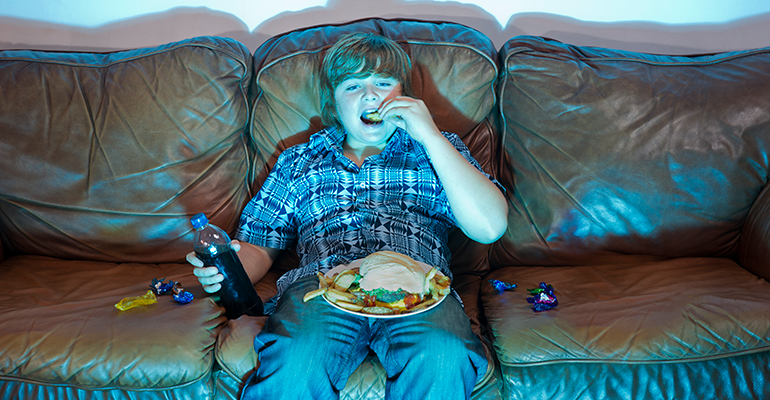
The primary goal of the ban is to prevent children from being influenced by unhealthy advertisements, which have been shown in numerous studies to directly impact children’s eating habits.
A 2022 study, published in Preventive Medicine Reports, conducted a rapid overview of reviews published since 2006, concluding that exposure to unhealthy TV and online food advertising is a contributing factor to childhood obesity, particularly for children aged between three and 12 years of age and for those from minority ethnic and socio-economically disadvantaged backgrounds.
Ban aimed at reducing childhood obesity
In a written statement, Andrew Gwynne, UK parliamentary under-secretary of state for public health and prevention, emphasised the urgent need to fix the country’s “broken” National Health Service (NHS) and tackle the childhood obesity crisis, which he said sets children up for an unhealthy life and generates further pressures on the NHS.
“More than one in five children in England are overweight or living with obesity by the time they start primary school, and this rises to more than one third by the time they leave. We want to tackle the problem head on and that includes implementing the restrictions on junk food advertising on TV and online without further delay.”
The ban, which aims to reduce childhood obesity and the long-term health implications of less healthy food choices, will see junk food ads on all UK television networks banned before 9pm, alongside a total ban on paid-for online advertisements for foods high in fat, salt, and sugar (HFSS). Ofcom, the regulator and competition authority for the UK’s communications industries, has confirmed that Internet Protocol Television (IPTV) services will also follow the 9pm watershed rules.
What types of foods will be included in this ban?
The government has implemented a two-stage approach for classifying a product as "less healthy". A product must comply with the ban if it meets the following criteria:
- Falls under one of the product categories in the draft regulations schedule;
- When applying the 2011 technical guidance to the 2004 to 2005 nutrient profiling model (NPM), the product scores a one or above for drink, and a four or above for food.
According to the BBC, the foods that may be banned fall under 13 categories:
- Soft drinks: This includes any beverage containing added sugar, such as canned sodas, as well as smoothies, fruit juices, and energy drinks.
- Savoury snacks: Primarily potato chips, but also includes tortilla chips, crackers, and rice cakes. Jerky, dried fruit, and flavoured nuts are exempt.
- Breakfast cereals: This category encompasses many items in the breakfast aisle, for example, granola, muesli, and ready-to-eat porridge oat sachets, all of which often contain high/added sugar.
- Chocolates and sweets: The category covers most confectionery items, including chewing gum and popcorn.
- Ice cream: Covers dairy and non-dairy frozen treats and desserts, including iced popsicles, and frozen yoghurts.
- Cakes and pastries: Includes cupcakes, and doughnuts, but does not include icing.
- Biscuits and bars: Covers cereal and protein bars, as well as items such as wafers and toaster pastries.
- Morning goods: Mostly covers pastries, but extends to scones, crumpets, and fruit loaves.
- Desserts and puddings: Covers items like custard, mousse, and jelly, but exempts tinned fruit, syrups and creams.
- Yoghurt: Refers to any sweetened yoghurt, including probiotic and non-dairy varieties.
- Pizza: Covers all types and sizes, except plain bases and garlic bread.
- Potato-based products: Includes a variety of processed items like chips/fries, croquettes, and hash browns.
- Ready meals: Encompasses any prepackaged meal intended to be eaten as a main meal and requires no further preparation beyond heating. Sandwiches, and burgers are also included in this category.
The following products are exempt from the ban, as they are already subject to separate regulations: infant formula; baby food; follow-on formula; and processed-cereal based foods for infants; total diet replacements for weight control products; meal replacement products with an approved health claim; food supplements; and drinks used for medicinal purposes.
‘Robust enforcement’ needed to ensure success of ban, says food policy expert
Food policy expert and professor Christina Vogel, director of the centre for food policy at City St George’s, University of London, commented on the ban, hailing it as a crucial step toward improving public health. She highlighted that the ban helps to protect vulnerable populations, particularly children, from the pervasive influence of unhealthy food ads.
Vogel said that while the ban aligns with efforts to reduce the nation’s health challenges and alleviate economic burdens on the healthcare system, she called for further work to be done around the revised Nutrient Profile Model.
“[...] it’s critical that the government now sets a clear timeline for implementing the revised Nutrient Profile Model, which accounts for updates to our national dietary guidelines, particularly on reducing free sugars and increasing fibre intake. While it’s encouraging to see action on product reformulation from industry, we need our standards for healthy products to continue to nudge forward to more closely reflect the government’s current dietary recommendations,” Vogel said.
She went on to call for robust enforcement mechanisms to ensure the success of and compliance with the ban, noting that previous regulations, like the food promotion and placement regulations and calorie labelling laws, had inconsistent enforcement.

Get more of our news on Google
Set Ingredients Network as a 'Preferred Source' to get quicker access to the news you value.
Related news

Do the US dietary guidelines put UPFs under pressure?
10 Sep 2026
Will the US dietary guidelines change the way Americans eat, swapping ultra-processed foods for whole foods? We asked Dr Barry Popkin, renowned nutrition and obesity researcher.
Read more
Food fraud costs UK economy £2bn each year
9 Sep 2026
Food fraud is costing the UK economy up to £2 billion (€2.3 billion) every year although the food sector is more “resilient” than others, according to a recent study.
Read more
Skimpflation: An ‘unfair’ and risky approach to keeping prices low
2 Sep 2026
Consumers see skimpflation – reducing the quality of ingredients due to rising costs – as more unfair than shrinkflation, making it a risky strategy according to recent research.
Read more
NielsenIQ’s EU barometer shows Britain leading in grocery inflation
31 Aug 2026
Britain was the only country to record grocery inflation above 2%, according to NielsenIQ data that compared Europe’s five biggest grocery markets from February to May 2026.
Read more
‘Urgent gaps’ in achieving 2030 food system goals
27 Aug 2026
Global food systems are failing to meet 2030 targets across indicators including health, environment, and resilience, according to a report co-authored by the Food and Agriculture Organisation (FAO).
Read more
China beverages: Is herbal innovation the future?
20 Aug 2026
Herbal and botanical innovation in China's drinks market continues to grow, with ingredients like astragalus root, ginger, and ginseng in the spotlight – and focus shifting far beyond refreshment.
Read more
Popular barbecue staples experience sharp price increases
19 Aug 2026
The typical cost of US shoppers’ barbecue baskets has risen by 12% over the past year – the fastest annual rise in a decade, figures from The Economist show.
Read more
Beyond 'nice to have': A spotlight on US functional beverages
12 Aug 2026
Functional beverage interest in the US is gaining important ground as consumers now expect function rather than see it as "nice to have", and there are clear market gaps for growth, according to Spate.
Read more
Manam Chocolate aims to bring premium Indian cacao to 'the world stage'
11 Aug 2026
Craft chocolate brand Manam Chocolate is investing in local expansion and supply chain innovation throughout India as it works to build out the premium reputation of its locally produced cacao products.
Read more
Digital twin technology gains ground in food manufacturing
6 Aug 2026
Food and beverage companies are increasingly turning to digital twins to optimise and automate manufacturing processes, but opportunities stretch far beyond this, say experts.
Read more