
Ingredients Categories
Finished Products
Finished Food Categories
- Bakery
- Beverages / Juices
- Cereal and grain products
- Confectionery
- Cooking Fats & Oils
- Dairy
- Egg products
- Fruits & Vegetables
- Infant & Baby food
- Meat, Poultry & Fish
- Nuts & Seeds products
- Other Finished Food Categories
- Pet Food
- Plant-based foods
- Prepared foods
- Sauces & Seasonings
- Sweet & Savoury Spreads
Specialised Finished Products
- Bee products
- Biotic products
- Dietary supplements
- Energy drinks
- Functional beverages
- Functional confectionery
- Functional food
- Functional powders
- Meal replacement products
- Nutricosmetics
- Other Specialised Finished Products
- Pet Dietary Supplements
- Pharma and OTC products
- Protein products
- Sugar replacers / Sweeteners
Health & Wellness Areas
Delivery Formats
Operations & Services
- 3D printing
- Analysis/ Testing
- Auditing & certifications
- Blending & mixing
- Bottling
- Certification
- Clinical trials
- Co-packing
- Coating
- Consulting
- Contract manufacturing
- Drying
- Electrospinning
- Encapsulating
- Enzymatic processing
- Extracting
- Extrusion
- Fat structuring
- Fermentation
- Filling
- Flavour development
- Freeze drying
- Granulating/ grinding/ milling / mixing
- High-pressure processing
- Labelling
- Other Operations & Services
- Packaging
- Packet filling
- Pasturising
- Quality assurance
- Saccharification
- Shear cell processing
- Spray drying
- Sterilisation
- Storage & Logistics
- Tabletting
- Toasting / roasting
- Ultra-high temperature processing
News
Unilever India’s price hikes aim to counter bottom line challenges
Simon Pitman, Freelance Journalist 3 Dec 2024Unilever India will implement “calibrated price increases” after third quarter results underscored some challenging areas in the business’ performance.
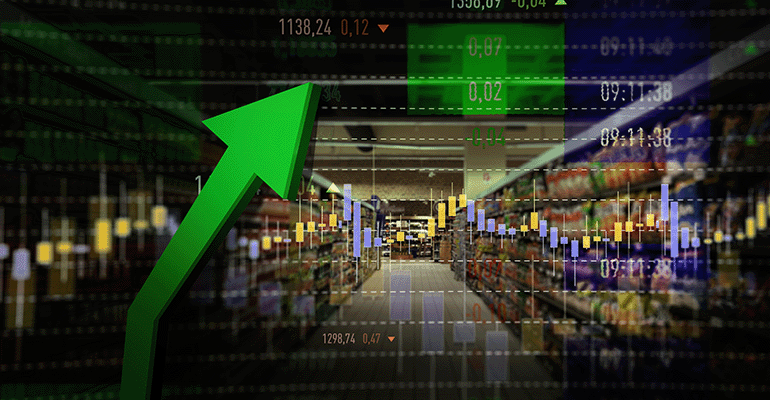
While the results showed that Hindustan Unilever India’s (HUL) Q3 2024 performance registered a 2% increase in underlying sales, to reach $1.8 billion, commodity price pressures meant that the company’s profit declined by 4% to reach $310 million after tax.
A deeper dive on the numbers shows that HUL’s food and refreshment division was a weak spot, with revenues down by 2% on a low-single digit volume decline.
Commodity price increases hit food and beverage operations
In an earnings call that followed on from the Q3 results announcement, the company highlighted areas of its food and beverage business that have come under increased pressure due to higher commodity prices, which, combined with the muted volume growth, led to the decision to raise prices. Currently food and beverage accounts for approximately a quarter of the company’s annual revenues.
“Following a prolonged period of benign commodity prices in this quarter, crude palm oil and tea experienced inflation of 10% and 25% year-on-year,” said Rohit Jawa, HUL CEO and managing director during the earnings call.
“Given our assessment, that this price increase is here to stay, we are now taking calibrated price increases. While crude oil remained benign during the quarter, there has been recent volatility in prices owing to geopolitical tensions. We remain vigilant and are watchful of any price fluctuations that seem to persist.”
While tea commodity prices have been hit by climate extremes impacting crops and geopolitical instability, rising palm oil prices have been pinned to increased market competition and shifts in demand for edible oils.
HUL continues its market leadership in tea
Although the performance of the company’s beauty & personal care and home care segments continue to perform relatively well – accounting for almost two thirds of total revenues – the food and refreshments side of the business has been underperforming during this financial year, in the face of rising costs.
Despite the commodity price challenges, the company continues to have a dominant position for both value and market size for the all-important teas category. Meanwhile, a strong performance in coffee has served to counteract the weakness in tea.
“Premium segment led by green and functional tea continued to maintain its growth momentum, while the category UVG remained muted as consumer downgradation to loose tea persisted,” said Ritesh Tiwari, HUL’s chief finance officer.
“With tea commodity witnessing unprecedented inflation in recent months, we expect this trend of downgradation to gradually reverse. Coffee delivered double-digit growth, led by strong performance in organised trade.”
Price hikes likely to make the food space all the more challenging
While the beverage space has some distinct areas of resilience and stronger performance, the company said that overall food delivered low single-digit volume growth, putting it behind the performance of the company’s other business divisions.
To counteract things, HUL has earmarked the nutritional drinks space to focus on to cultivating higher growth – with a specific focus on diabetic nutritional drinks.
HUL’s Diabetes Plus portfolio falls under the nutritional drinks banner and has been singled out as one of the fastest growing brands in nutritional drinks, consistently delivering double-digit growth.
Nutritional drinks business has potential for further growth
The company says it has recently added to the nutritional drinks portfolio with a new flavour for the Diabetes Plus range, but during the call it was stressed that the nutritional drinks category is still not fulfilling its potential.
“While our market development actions in Nutrition Drink segment has resulted in continued market share and penetration gains, there's still work to be done to drive consumption. We are mobilising our efforts in this direction,” said Tiwari.
“For instance, recognising the preference for sachet format, we're now offering an elevated cup experience for all Horlicks sachet consumers with much higher milk solids in the product.”

Get more of our news on Google
Set Ingredients Network as a 'Preferred Source' to get quicker access to the news you value.
Related news

Do the US dietary guidelines put UPFs under pressure?
10 Sep 2026
Will the US dietary guidelines change the way Americans eat, swapping ultra-processed foods for whole foods? We asked Dr Barry Popkin, renowned nutrition and obesity researcher.
Read more
Skimpflation: An ‘unfair’ and risky approach to keeping prices low
2 Sep 2026
Consumers see skimpflation – reducing the quality of ingredients due to rising costs – as more unfair than shrinkflation, making it a risky strategy according to recent research.
Read more
‘Urgent gaps’ in achieving 2030 food system goals
27 Aug 2026
Global food systems are failing to meet 2030 targets across indicators including health, environment, and resilience, according to a report co-authored by the Food and Agriculture Organisation (FAO).
Read more
Seven-Eleven uses microbial testing tech to extend katsudon shelf life
26 Aug 2026
Japanese retail company Seven-Eleven has improved its factory’s microbial environment to keep comfort-food staple, katsudon, fresher for longer.
Read more
Chimac’s fusion sauces bring Korean flavours to Europe
25 Aug 2026
Irish sauce brand Chimac is tapping into Korea’s culinary traditions, bringing its flavours and products to European consumers who want a taste of K-food.
Read more
Global demand for instant noodles continues to rise
24 Aug 2026
Global demand for instant noodles reached 124.21 billion servings last year, representing a 0.7% year-on-year increase – or 900 million extra servings.
Read more
China beverages: Is herbal innovation the future?
20 Aug 2026
Herbal and botanical innovation in China's drinks market continues to grow, with ingredients like astragalus root, ginger, and ginseng in the spotlight – and focus shifting far beyond refreshment.
Read more
Popular barbecue staples experience sharp price increases
19 Aug 2026
The typical cost of US shoppers’ barbecue baskets has risen by 12% over the past year – the fastest annual rise in a decade, figures from The Economist show.
Read more
Hot NPD: Nissin launches first cold-water Cup Noodles
18 Aug 2026
Nissin is taking one of Japan’s most iconic instant meals in a completely new direction with the launch of the first cold water-only Cup Noodles in the brand’s 55-year history.
Read more
Manam Chocolate aims to bring premium Indian cacao to 'the world stage'
11 Aug 2026
Craft chocolate brand Manam Chocolate is investing in local expansion and supply chain innovation throughout India as it works to build out the premium reputation of its locally produced cacao products.
Read more