
Ingredients Categories
Finished Products
Finished Food Categories
- Bakery
- Beverages / Juices
- Cereal and grain products
- Confectionery
- Cooking Fats & Oils
- Dairy
- Egg products
- Fruits & Vegetables
- Infant & Baby food
- Meat, Poultry & Fish
- Nuts & Seeds products
- Other Finished Food Categories
- Pet Food
- Plant-based foods
- Prepared foods
- Sauces & Seasonings
- Sweet & Savoury Spreads
Specialised Finished Products
- Bee products
- Biotic products
- Dietary supplements
- Energy drinks
- Functional beverages
- Functional confectionery
- Functional food
- Functional powders
- Meal replacement products
- Nutricosmetics
- Other Specialised Finished Products
- Pet Dietary Supplements
- Pharma and OTC products
- Protein products
- Sugar replacers / Sweeteners
Health & Wellness Areas
Delivery Formats
Operations & Services
- 3D printing
- Analysis/ Testing
- Auditing & certifications
- Blending & mixing
- Bottling
- Certification
- Clinical trials
- Co-packing
- Coating
- Consulting
- Contract manufacturing
- Drying
- Electrospinning
- Encapsulating
- Enzymatic processing
- Extracting
- Extrusion
- Fat structuring
- Fermentation
- Filling
- Flavour development
- Freeze drying
- Granulating/ grinding/ milling / mixing
- High-pressure processing
- Labelling
- Other Operations & Services
- Packaging
- Packet filling
- Pasturising
- Quality assurance
- Saccharification
- Shear cell processing
- Spray drying
- Sterilisation
- Storage & Logistics
- Tabletting
- Toasting / roasting
- Ultra-high temperature processing
News
Venezuela is latest LATAM country to adopt warning labels
Natasha Spencer-Jolliffe, Freelance Journalist 9 Aug 2024Scheduled for December 2024, Venezuela will introduce mandatory warning labels on foods to inform consumers if they are high in salt, saturated fat, sugar, and trans fats.
Venezuela is the latest nation to implement mandated labels warning consumers of products’ “high in” content. Latin America has long been considered at the forefront of global legislative and food landscapes’ efforts to introduce labels. The industry will see these emerge on front-of-package labelling in Venezuela by the end of the year.
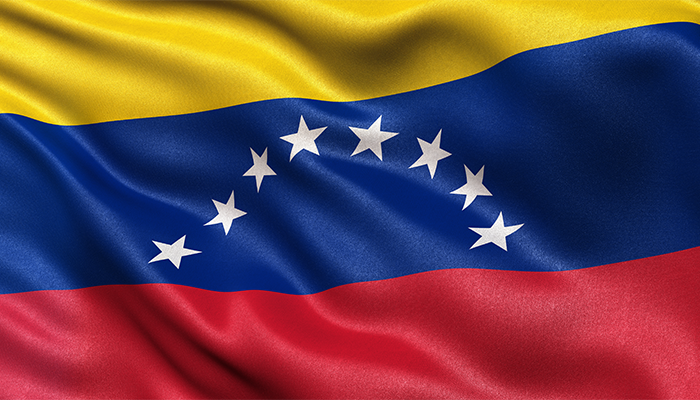
Announced in 2022, Venezuela’s Ministry of People’s Power for Health published Resolution N°137/2021 to regulate the labelling of manufactured foods high in sugar, saturated and trans fats. Using a warning label system, Venezuela will introduce these into the country in stages. Its front-of-package labelling will provide information about the sugar, saturated fat, and trans fat content of manufactured foods.
The World Obesity Federation published a document stating that the country’s first-phase labels consist of octagonal warnings for sodium. From 2026, it will introduce labels for sugar, saturated fats, and trans fats. The law will come into effect on 7th December 2024.
Latin America leads warning labels
Venezuela’s anticipated adoption follows existing regulations in Mexico, Peru, Uruguay, Argentina, and Colombia.
Labelling laws have revolved around food products that exceed a consumer’s recommended daily value of any “nutrient of concern.”
Utilising warning labels to indicate “high” levels of certain contents in foods caught the attention of Latin American regulators in 2016, when Chile put the front-of-packaging information on its products. The move came after Mexico put the “daily guidance amounts” label on the fronts of food packaging in 2010, and Ecuador introduced colour-coded traffic light labels to indicate a product’s nutritional value.
In 2021, a research study explored the changes in food purchases after Chile’s policies on food labelling, marketing and sales in schools. It found families bought fewer foods labelled with “high in” warnings. Chilean consumers opted for 27% less sugar and 37% less salt post-label implementation than they would have if the labelling and advertising law had not been adopted.
As well as impacting packaging, the label regulation had another effect on new product development. Manufacturers could launch new food items and reformulate existing goods with less sugar and less salt to avoid using warning labels and put consumers off buying their products.
Octagonal labels indicating food contents have since entered numerous countries around Latin America. Seven years after Chile’s pioneering approach to the region, Venezuela is next.
Ultra-processed foods tend to be cheap and readily available
Research indicates that ultra-processed foods (UPFs) are prevalent in Latin American diets. A 2022 research study found that, on average, 20-30% of consumers’ daily calories come from UPFs.
From December, Venezuelan food packaging and supermarket shelves will also feature the now-common octagonal indicator for a product’s nutritional value. However, there is another significant factor impacting consumer UPF purchases: cost.
“Because UPF generally cost much less than minimally processed or unprocessed foods and are more readily available, those of lower socioeconomic status often find UPFs as a frequent or only food choice when budgeting household expenditures,” a spokesperson for the World Health Organization (WHO) told Ingredients Network.
UPFs also typically cost less to produce, making them an appealing option for manufacturer’s profit sheets. “UPFs are also inexpensive to produce, providing a high-profit margin profit for food and beverage companies, thus providing a strong financial incentive for companies to continue to produce and market more and new varieties of UPF,” the spokesperson for WHO says.
As Venezuela prepares to adopt warning labels on its “high in” products, it is facing the reality of navigating its insecure food environment and UPF concerns amid what the US Department of State has reported, is a country in humanitarian crisis.

Get more of our news on Google
Set Ingredients Network as a 'Preferred Source' to get quicker access to the news you value.
Related news

M&S launches own-brand pet food range
11 Sep 2026
UK retailer Marks & Spencer has launched its own-brand pet food line Paws & Pals – a well-timed and strategic move that will appeal to loyal shoppers, says a marketing expert.
Read more
Do the US dietary guidelines put UPFs under pressure?
10 Sep 2026
Will the US dietary guidelines change the way Americans eat, swapping ultra-processed foods for whole foods? We asked Dr Barry Popkin, renowned nutrition and obesity researcher.
Read more
Food fraud costs UK economy £2bn each year
9 Sep 2026
Food fraud is costing the UK economy up to £2 billion (€2.3 billion) every year although the food sector is more “resilient” than others, according to a recent study.
Read more
Kellogg accelerates work to remove artificial colours from all US cereals
3 Sep 2026
WK Kellogg has announced an accelerated timeline to eliminate all artificial colours and the chemical preservative, BHT, across its full US portfolio of cereals and cereal packaging.
Read more
‘Urgent gaps’ in achieving 2030 food system goals
27 Aug 2026
Global food systems are failing to meet 2030 targets across indicators including health, environment, and resilience, according to a report co-authored by the Food and Agriculture Organisation (FAO).
Read more
Chimac’s fusion sauces bring Korean flavours to Europe
25 Aug 2026
Irish sauce brand Chimac is tapping into Korea’s culinary traditions, bringing its flavours and products to European consumers who want a taste of K-food.
Read more
Savoury protein snacks shake up the on-the-go market
10 Aug 2026
Sweet flavours have dominated the high-protein snack category but savoury snacks, such as cheese bars and meat sticks, can appeal to health-conscious consumers.
Read more
Nestlé invests in regeneratively farmed wheat for KitKat
5 Aug 2026
Nestlé will pay a premium for Wildfarmed’s regeneratively farmed wheat but the CPG remains reticent to promote the move on packs of its KitKat bars.
Read more
How Secon Taste is putting upcycled snacks on shelves
4 Aug 2026
Hungarian zero-waste startup Secon Taste is turning surplus food into upcycled snacks such as fibre-packed granola, instant porridge, and a circular coffee-tasting box.
Read more
Codex sets global thresholds for ‘may contain’ labels
3 Aug 2026
Codex Alimentarius has adopted its first global guidance on when to use “may contain” allergen warnings, setting thresholds intended to stop the label being used as blanket legal cover.
Read more