
Ingredients Categories
Finished Products
Finished Food Categories
- Bakery
- Beverages / Juices
- Cereal and grain products
- Confectionery
- Cooking Fats & Oils
- Dairy
- Egg products
- Fruits & Vegetables
- Infant & Baby food
- Meat, Poultry & Fish
- Nuts & Seeds products
- Other Finished Food Categories
- Pet Food
- Plant-based foods
- Prepared foods
- Sauces & Seasonings
- Sweet & Savoury Spreads
Specialised Finished Products
- Bee products
- Biotic products
- Dietary supplements
- Energy drinks
- Functional beverages
- Functional confectionery
- Functional food
- Functional powders
- Meal replacement products
- Nutricosmetics
- Other Specialised Finished Products
- Pet Dietary Supplements
- Pharma and OTC products
- Protein products
- Sugar replacers / Sweeteners
Health & Wellness Areas
Delivery Formats
Operations & Services
- 3D printing
- Analysis/ Testing
- Auditing & certifications
- Blending & mixing
- Bottling
- Certification
- Clinical trials
- Co-packing
- Coating
- Consulting
- Contract manufacturing
- Drying
- Electrospinning
- Encapsulating
- Enzymatic processing
- Extracting
- Extrusion
- Fat structuring
- Fermentation
- Filling
- Flavour development
- Freeze drying
- Granulating/ grinding/ milling / mixing
- High-pressure processing
- Labelling
- Other Operations & Services
- Packaging
- Packet filling
- Pasturising
- Quality assurance
- Saccharification
- Shear cell processing
- Spray drying
- Sterilisation
- Storage & Logistics
- Tabletting
- Toasting / roasting
- Ultra-high temperature processing
News
Which food and beverage brands made TIME’s Most Influential Companies list?
Tessa Wiles, Content Editor - Food 2 Oct 2024Chickpea pasta, prebiotic sodas, food boxes, non-alcoholic beer, and a soil carbon marketplace are the specialties of the five food and beverage brands that earned a spot on TIME’s 2024 list.
Beginning in 2021, TIME started publishing its annual list of “100 Most Influential Companies”. The list is curated by TIME editors with input from global correspondents and experts across different sectors.

TIME notes what makes a “TIME 100 Company” is a mix of attributes, such as its influence, leadership, and ability to set new standards in various fields. In May of this year, TIME released its 2024 edition; we take a look at some of the agri-food companies that made the cut.
Athletic Brewing Company
The Athletic Brewing Company, founded in 2017, specialises in non-alcoholic beer— IPAs, lagers, and stouts. The co-founder of the company, Bill Shufelt was an ultramarathon runner who decided to abstain from alcohol in 2013 after he realised that the effects of alcohol were negatively impacting him both on and off the trails.
While consumers may be looking to cut down on alcohol consumption, they do not want to forgo the occasions when alcohol is consumed. This was the case for Shufelt who grew tired of sipping cranberry sodas and diet Cokes at social gatherings, and took matters into his own hands, establishing Athletic Brewing.
Athletic Brewing has quickly grown in popularity, given that an increasing number of consumers, especially Gen Z, are adopting a so-called “sober curious” lifestyle.
In the US, for example, 27% of 21- to 24-year-olds were abstaining from alcoholic beverages in 2023, and more than one-quarter were “very concerned” about the potential health effects of consuming alcohol.
Athletic Brewing, which grew from a startup craft brewery in Connecticut, is now leading the non-alcoholic beer market and has become the top-selling alcohol-free beer in the US, and Whole Foods' best-selling beer.
In the US Athletic Brewing makes up 19% of the domestic non-alcoholic beer market, according to NielsenIQ, and has passed competitors like Heineken 0.0 and Bud Zero. In 2023, the company partnered with US airline JetBlue to begin selling its non-alcoholic craft beers on the carrier’s domestic flights.
Olipop
Olipop, founded in 2018, is shaking up the soft drink industry by offering a healthier, gut-friendly, low-calorie alternative to traditional soda.
Consumer concern around excessive sugar consumption has spurred soda brands to innovate with reduced sugar options, according to Mintel’s A Year of Innovation in Carbonated Soft Drinks, 2024 report, a trend that Olipop has capitalised on. Compared to the 39 grams of sugar found in a regular can of cola, Olipop cans contain between 2 to 5 grams, alongside prebiotics.
The company’s trademarked “functional formula” OLISmart, contains a blend of botanicals, prebiotics, and plant fibres, “each hand-picked for their distinct biome-supporting benefits”, according to Olipop’s website. The OLISmart ingredients include cassava root, chicory root, Jerusalem artichoke, nopal cactus, calendula flower, kudzu root, marshmallow root, acacia fibre, and guar fibre.
In the six years since it was founded, the company has established itself as a leader in the alternative soda market, generating over $200 million in sales in 2023, and products available in more than 20,000 stores across the US.
The company caters to consumers looking for better-for-you beverage options. By incorporating prebiotics and plant fibres into their sodas, Olipop has ticked the box in many consumer categories: it caters to those looking to reduce their sugar intake; by promoting gut health it aligns with a broader trend toward functional foods and beverages; and it invokes nostalgia with its vintage logo and colourful cans.
The brand is also tapping into different drinking – and wearing – occasions, with the recent announcement on X that it has partnered with the LA Clippers and their newly built art arena, Intuit Dome. In August 2024, it announced a collaboration with clothing brand STAYCOOL NYC with a collection of hoodies inspired by Olipop's four best-selling flavours: vintage cola; cream soda; strawberry vanilla; and grape.
Banza
Founded in 2014, Banza has grown from a small, alternative player in the pasta aisle to one of the biggest pasta brands in the US. Due to changing food trends, including the rise of plant-based, gluten-free, and clean label, Banza has positioned itself as a healthy alternative to staple foods.
Its selling point: a chickpea-based alternative to traditional wheat products.
By including chickpeas in its formulations, the company’s products contain more protein and fibre than traditional pasta and many other wheat-based options. In 2019, Banza expanded its range to include chickpea-based mac and cheese and “rice made from chickpeas”. In 2020 frozen pizzas with a chickpea crust joined the Banza product line-up, and in 2023 the company tapped deeper into the comfort food category, with its protein waffle launch.
As of 2024 Banza’s products are sold in over 30,000 stores across the US, including Walmart, Whole Foods, and Costco.
Boomitra
Agritech company and soil carbon marketplace, Boomitra, embodies its Sanskrit name, “friend of the earth”. Working at the intersection of climate change and agriculture, the company helps farmers adopt sustainable practices that enhance crop yields, and capture carbon while reducing CO2 levels.
Founded in 2016 by Aadith Moorthy, Boomitra partners with farmers across the world, helping them to sequester carbon in the soil, while selling carbon credits on the open market. Targeting smallholder farmers, particularly those in the global South – Africa, South America, and Asia –, the company offers farmers the tools that enable them to adopt sustainable practices like minimal tillage and cover cropping. These techniques contribute to improved crop yields and help store carbon in the soil, making farming more profitable and environmentally friendly.
Through satellite and AI-based technology to measure carbon levels remotely, Boomitra has created a sustainable business model that benefits both farmers and the environment, eliminating the need for time-consuming and costly soil sampling. The company has been able to scale up its carbon credit programme and distribute more revenue to farmers.
Farmers partnering with Boomitra earn an additional income from a 70% share in the company’s profits. As of April 2024, Boomitra has helped 150,000 farmers remove 10 million metric tons of CO2 from the atmosphere. The company aims to distribute $200 million in carbon finance to marginalised farmers by 2025.
FarmboxRx
US-based FarmboxRx, founded in 2019 by Ashley Tyrner, was born out of Tyrner’s experience as a single mother living off food stamps in a rural food desert in Arizona.
The company delivers food boxes filled with fresh fruit, vegetables, and shelf-stable healthy pantry goods, directly to underserved communities. According to Tyrner, she estimated that in 2023 95% of FarmboxRx’s business came from Medicaid and Medicare beneficiaries – US governmental plans with which the company partners.
By partnering with insurance companies to fund the deliveries, FarmboxRx reduces the cost for low-income households, changing how food insecurity is addressed.

Get more of our news on Google
Set Ingredients Network as a 'Preferred Source' to get quicker access to the news you value.
Related news

Do the US dietary guidelines put UPFs under pressure?
10 Sep 2026
Will the US dietary guidelines change the way Americans eat, swapping ultra-processed foods for whole foods? We asked Dr Barry Popkin, renowned nutrition and obesity researcher.
Read more
Food fraud costs UK economy £2bn each year
9 Sep 2026
Food fraud is costing the UK economy up to £2 billion (€2.3 billion) every year although the food sector is more “resilient” than others, according to a recent study.
Read more
Kellogg accelerates work to remove artificial colours from all US cereals
3 Sep 2026
WK Kellogg has announced an accelerated timeline to eliminate all artificial colours and the chemical preservative, BHT, across its full US portfolio of cereals and cereal packaging.
Read more
Skimpflation: An ‘unfair’ and risky approach to keeping prices low
2 Sep 2026
Consumers see skimpflation – reducing the quality of ingredients due to rising costs – as more unfair than shrinkflation, making it a risky strategy according to recent research.
Read more
NielsenIQ’s EU barometer shows Britain leading in grocery inflation
31 Aug 2026
Britain was the only country to record grocery inflation above 2%, according to NielsenIQ data that compared Europe’s five biggest grocery markets from February to May 2026.
Read more
‘Urgent gaps’ in achieving 2030 food system goals
27 Aug 2026
Global food systems are failing to meet 2030 targets across indicators including health, environment, and resilience, according to a report co-authored by the Food and Agriculture Organisation (FAO).
Read more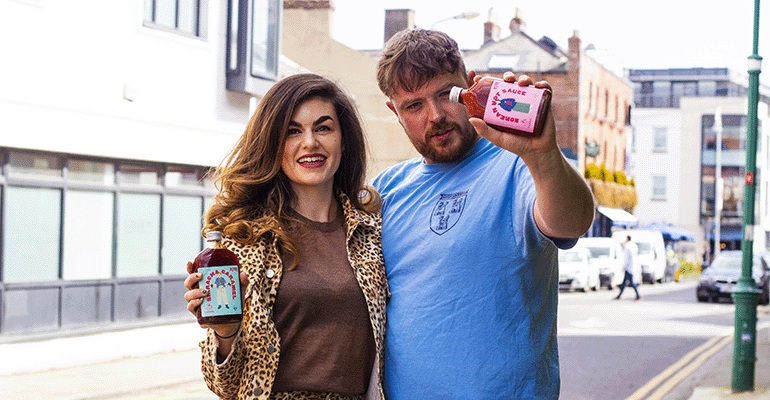
Chimac’s fusion sauces bring Korean flavours to Europe
25 Aug 2026
Irish sauce brand Chimac is tapping into Korea’s culinary traditions, bringing its flavours and products to European consumers who want a taste of K-food.
Read more
Global demand for instant noodles continues to rise
24 Aug 2026
Global demand for instant noodles reached 124.21 billion servings last year, representing a 0.7% year-on-year increase – or 900 million extra servings.
Read more
Popular barbecue staples experience sharp price increases
19 Aug 2026
The typical cost of US shoppers’ barbecue baskets has risen by 12% over the past year – the fastest annual rise in a decade, figures from The Economist show.
Read more
Hot NPD: Nissin launches first cold-water Cup Noodles
18 Aug 2026
Nissin is taking one of Japan’s most iconic instant meals in a completely new direction with the launch of the first cold water-only Cup Noodles in the brand’s 55-year history.
Read more