
Ingredients Categories
Finished Products
Finished Food Categories
- Bakery
- Beverages / Juices
- Cereal and grain products
- Confectionery
- Cooking Fats & Oils
- Dairy
- Egg products
- Fruits & Vegetables
- Infant & Baby food
- Meat, Poultry & Fish
- Nuts & Seeds products
- Other Finished Food Categories
- Pet Food
- Plant-based foods
- Prepared foods
- Sauces & Seasonings
- Sweet & Savoury Spreads
Specialised Finished Products
- Bee products
- Biotic products
- Dietary supplements
- Energy drinks
- Functional beverages
- Functional confectionery
- Functional food
- Functional powders
- Meal replacement products
- Nutricosmetics
- Other Specialised Finished Products
- Pet Dietary Supplements
- Pharma and OTC products
- Protein products
- Sugar replacers / Sweeteners
Health & Wellness Areas
Delivery Formats
Operations & Services
- 3D printing
- Analysis/ Testing
- Auditing & certifications
- Blending & mixing
- Bottling
- Certification
- Clinical trials
- Co-packing
- Coating
- Consulting
- Contract manufacturing
- Drying
- Electrospinning
- Encapsulating
- Enzymatic processing
- Extracting
- Extrusion
- Fat structuring
- Fermentation
- Filling
- Flavour development
- Freeze drying
- Granulating/ grinding/ milling / mixing
- High-pressure processing
- Labelling
- Other Operations & Services
- Packaging
- Packet filling
- Pasturising
- Quality assurance
- Saccharification
- Shear cell processing
- Spray drying
- Sterilisation
- Storage & Logistics
- Tabletting
- Toasting / roasting
- Ultra-high temperature processing
News
Big brands invest in precision fermentation-derived palm oil
Will Chu, Freelance Journalist 25 Jan 2024Although still not approved for food applications, big brands such as Unilever and Doehler are investing in precision fermentation-derived palm oil in a bid to reduce the environmental impact associated with this conventional palm oil.
Palm oil has become a mainstay in a huge range of products from peanut butter to pizza, soup to soap thanks to its versatility and low cost.
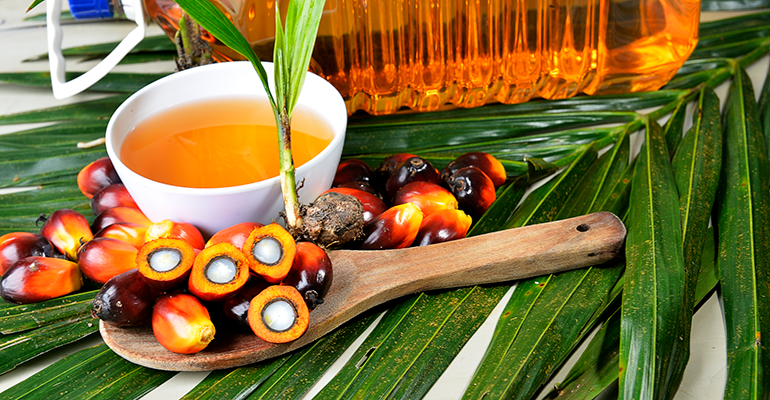
However, its use comes at a high cost to the environment, biodiversity, and efforts to reduce the carbon footprint.
The quest to find viable alternatives has led tech-driven startups to develop palm oil alternatives using precision fermentation in the hope of supplementing or even replacing the €64bn ($70bn) industry one day.
“Edible applications represent roughly 70% of the global $70bn global palm oil industry, making food a critical part of our mission,” said Shara Ticku, co-founder and CEO of C16 Biosciences, a US-based start-up that uses precision fermentation to ‘brew’ palm oil like beer to develop a sustainable palm oil alternative.
C16 Biosciences is one of a number of start-ups and small firms tasked with the challenge of coming up with cost-effective alternatives to palm oil.
The process uses strains of yeast to produce the precious oil that has the desired benefit of being in a solid state at room temperature and a liquid state at body temperature.
Another major benefit is the use of sustainable production processes that do not produce waste gases such as methane and avoiding the need to clear acres of rainforest to set up plantations.
The disruption to such a lucrative industry is one that is worth the risk according to a number of investors, who see such an outlay as tapping into current food movements that advocate green living as well as sustainable food supply chains.
Food industry actively looking to palm oil substitutes
Commenting on its decision to invest €110m ($120m) with biotech firm Geno to scale alternative ingredients to palm oil, Unilever’s chief R&D officer Richard Slater, said the venture would allow the business to grow, “without relying only on palm oil or fossil fuel derivatives, while also making our supply chains more resilient from having access to ingredient alternatives.
“We are building this innovative new venture to have the scale to drive real impact and change in our industry, helping to reinvent the chemistry of home and personal care products for the 21st Century,” he added back in June 2022.
 © iStock/joakimbkk
Along with Unilever, other food firms upping their interest in the sustainable palm oil alternative space includes German ingredients supplier Doehler Group.
In 2022, its investment arm Doehler Ventures formed part of a consortium that provided funds to Clean Food Group (CFG), a start-up developing a bio-equivalent cultivated alternative to palm oil.
The UK-based firm go on to describe its proprietary technology’s use of non-GMO yeast strains and food waste developed over 10 years with the aid of €8.7m (£7.5m) of UK Government funding.
Government and regulation
Perhaps the last significant hurdle to widespread acceptance is the role of government and regulatory agencies in approving alternatives to palm oil.
At the current time of writing, no palm oil product or ingredient produced via precision fermentation has received regulatory approval for use in food for human consumption.
While a decision or firmer guidance remains outstanding, the cosmetics industry remains an entry point for palm oil alternative makers as these industries are governed separately.
Indeed, C16 Biosciences Palmless Torula oil is a key ingredient in a soap bar produced by UK material science company Pangaia and skincare firm Haeckels.
For CFG, its yeast-based oil has not been sold within the UK or European area before 1997 and would thus be considered a Novel Food.

Get more of our news on Google
Set Ingredients Network as a 'Preferred Source' to get quicker access to the news you value.
Related news

Do the US dietary guidelines put UPFs under pressure?
10 Sep 2026
Will the US dietary guidelines change the way Americans eat, swapping ultra-processed foods for whole foods? We asked Dr Barry Popkin, renowned nutrition and obesity researcher.
Read more
Food fraud costs UK economy £2bn each year
9 Sep 2026
Food fraud is costing the UK economy up to £2 billion (€2.3 billion) every year although the food sector is more “resilient” than others, according to a recent study.
Read more
Kellogg accelerates work to remove artificial colours from all US cereals
3 Sep 2026
WK Kellogg has announced an accelerated timeline to eliminate all artificial colours and the chemical preservative, BHT, across its full US portfolio of cereals and cereal packaging.
Read more
Skimpflation: An ‘unfair’ and risky approach to keeping prices low
2 Sep 2026
Consumers see skimpflation – reducing the quality of ingredients due to rising costs – as more unfair than shrinkflation, making it a risky strategy according to recent research.
Read more
‘Urgent gaps’ in achieving 2030 food system goals
27 Aug 2026
Global food systems are failing to meet 2030 targets across indicators including health, environment, and resilience, according to a report co-authored by the Food and Agriculture Organisation (FAO).
Read more
Seven-Eleven uses microbial testing tech to extend katsudon shelf life
26 Aug 2026
Japanese retail company Seven-Eleven has improved its factory’s microbial environment to keep comfort-food staple, katsudon, fresher for longer.
Read more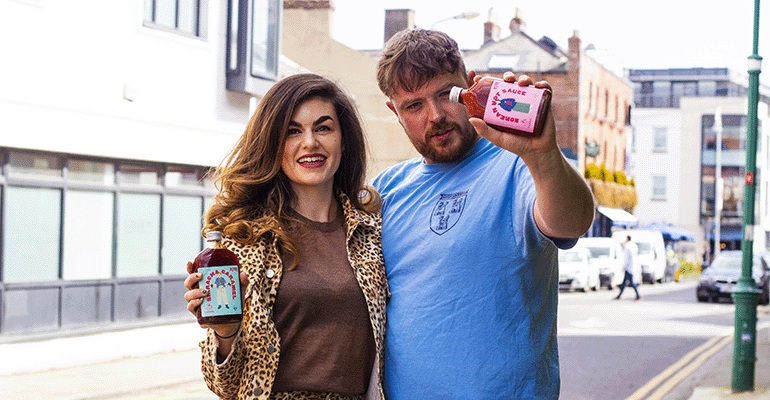
Chimac’s fusion sauces bring Korean flavours to Europe
25 Aug 2026
Irish sauce brand Chimac is tapping into Korea’s culinary traditions, bringing its flavours and products to European consumers who want a taste of K-food.
Read more
Global demand for instant noodles continues to rise
24 Aug 2026
Global demand for instant noodles reached 124.21 billion servings last year, representing a 0.7% year-on-year increase – or 900 million extra servings.
Read more
China beverages: Is herbal innovation the future?
20 Aug 2026
Herbal and botanical innovation in China's drinks market continues to grow, with ingredients like astragalus root, ginger, and ginseng in the spotlight – and focus shifting far beyond refreshment.
Read more
Popular barbecue staples experience sharp price increases
19 Aug 2026
The typical cost of US shoppers’ barbecue baskets has risen by 12% over the past year – the fastest annual rise in a decade, figures from The Economist show.
Read more