
Ingredients Categories
Finished Products
Finished Food Categories
- Bakery
- Beverages / Juices
- Cereal and grain products
- Confectionery
- Cooking Fats & Oils
- Dairy
- Egg products
- Fruits & Vegetables
- Infant & Baby food
- Meat, Poultry & Fish
- Nuts & Seeds products
- Other Finished Food Categories
- Pet Food
- Plant-based foods
- Prepared foods
- Sauces & Seasonings
- Sweet & Savoury Spreads
Specialised Finished Products
- Bee products
- Biotic products
- Dietary supplements
- Energy drinks
- Functional beverages
- Functional confectionery
- Functional food
- Functional powders
- Meal replacement products
- Nutricosmetics
- Other Specialised Finished Products
- Pet Dietary Supplements
- Pharma and OTC products
- Protein products
- Sugar replacers / Sweeteners
Health & Wellness Areas
Delivery Formats
Operations & Services
- 3D printing
- Analysis/ Testing
- Auditing & certifications
- Blending & mixing
- Bottling
- Certification
- Clinical trials
- Co-packing
- Coating
- Consulting
- Contract manufacturing
- Drying
- Electrospinning
- Encapsulating
- Enzymatic processing
- Extracting
- Extrusion
- Fat structuring
- Fermentation
- Filling
- Flavour development
- Freeze drying
- Granulating/ grinding/ milling / mixing
- High-pressure processing
- Labelling
- Other Operations & Services
- Packaging
- Packet filling
- Pasturising
- Quality assurance
- Saccharification
- Shear cell processing
- Spray drying
- Sterilisation
- Storage & Logistics
- Tabletting
- Toasting / roasting
- Ultra-high temperature processing
News
How US soy exports shape Southeast Asian food
Natasha Spencer-Jolliffe, Freelance Journalist 19 Dec 2024As Southeast Asia and the US mark 20 years of trade, trends in soy, especially plant-based preferences, signal increasing demand for high-quality protein sources.
In 2024, the SE Asia (SEA) US Agricultural Cooperators Conference saw industry insiders gather to discuss the “Leaders in Agriculture: Delivering Global Solutions Together” conference theme.
Celebrating 20 years of trade, the event explored the soy sector and the relationship between Southeast Asia and the US. The event analysed the two markets’ ongoing commitment to sustainable agricultural practices and how collaboration is vital to addressing global food security challenges.
“Southeast Asia is anticipated to remain one of the world’s fastest-growing regions, driven by a young workforce, expanding middle class and rising incomes,” William McNair, director of soy foods within the oil and global team development of US Soybean Export Council (USSEC), told Ingredients Network, describing the current export landscape of US soy to SEA.
“These factors are boosting demand for high-quality protein sources, with soy as a prime choice, especially as plant-based dietary preferences gain popularity,” says McNair.
Soy: A source of high-quality protein
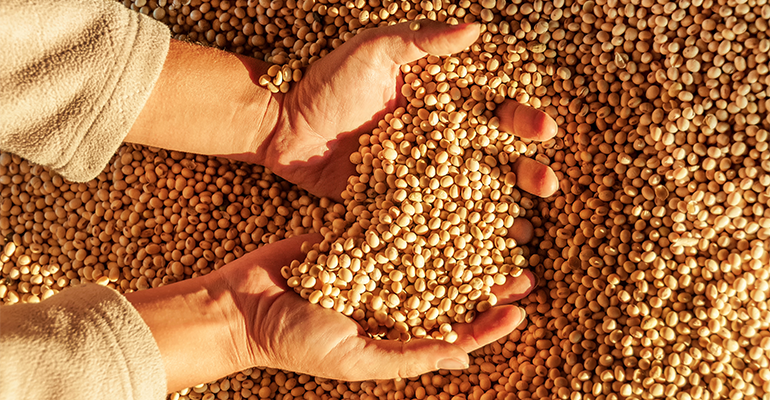
Soybeans can play a key role in global food and nutrition security. Soy contains all nine essential amino acids, making it a high-quality protein comparable to animal protein. With the potential to feed our body’s need for protein and essential fats, soy protein can be a staple for vegetarians, vegans and those aiming to increase plant protein intake.
In 2022, 77% of plant-based meat products launched in Southeast Asia using soy or wheat as their protein source.
“That’s not necessarily because soy is the optimal choice for every plant-based protein application though, particularly when compared to local ingredients like mung beans, which have lower allergenicity and other benefits,” Mirte Gosker, managing director of the Good Food Institute (GFI) APAC, told us. “Rather, it’s because soy-producing countries have spent decades optimising that crop and driving down costs through innovative breeding programmes,” says Gosker.
As a result of their investment, producers have more than doubled the value they get from land. Cereal crops like wheat have nearly tripled their yield sizes over the past 50 years. Meanwhile, legumes, which include mung beans, have increased by a comparatively meagre 60%. “It’s a classic case of underinvestment leading to underutilisation,” Gosker adds.
US soy is the number one US agricultural export, providing an affordable, sustainable source of nutrition for Southeast Asia’s growing population. With demand rising, the USSEC anticipates strong partnerships and ongoing collaboration between US growers and Southeast Asian stakeholders will continue to bolster regional growth and food security.
Plant-food, premiumisation and export potential bolster soy production
“Southeast Asia comprises a mix of traditional soy food markets, emerging innovative soy food markets, and areas with significant growth potential,” says McNair. “There is a rising trend of SEA soy foods products being produced for export markets.”
Soy foods are a dietary staple across the region, with many citizens consuming soy products daily in the form of tofu, tempeh, and soy milk. Products like Indonesian tempeh and Thai soy milk are gaining popularity abroad, with consumers in the US and EU appreciating the unique quality of regionally produced soy foods.
In today’s market, soy food production ranges from small, backyard producers of traditional soy foods like tempeh, tofu, and soy milk to some of the world’s largest soy food manufacturers and leading developers in categories such as soy milk.
“The region’s growing wealth is driving consumer demand for higher-quality products, leading to increased production of packaged soy foods over small-scale production,” adds McNair. “Regional soy foods producers are gaining a deeper understanding of production.”
As manufacturers increasingly recognise how specific varieties enhance their products, they select soybeans based on protein content, colour, sugar levels and other attributes.
Securing premiumisation in soy production and varieties is a growing area, with companies prioritising premium soybean sources to improve production efficiency and meet market expectations. Companies are also investing more in advanced packaging technologies to maintain freshness and quality.
“Innovations in the soy foods market are mirroring advancements in plant-based protein production seen in other regions,” says McNair. In the US and EU, these products typically target higher-income consumers. However, plant proteins have gained traction across various price points in Southeast Asia, catering to diverse consumer segments.
The US Soy Sustainability Assurance Protocol (SSAP), which verifies that US soy is responsibly produced, has become a key differentiator. Today, the Sustainable US Soy (SUSS) logo is featured on over 1,000 products globally.
Sustainable practices push progress
Despite its properties and growth, at the global level, 7% of soy is used for human food products such as tofu and tempeh. Furthermore, over three-quarters (77%) of the population is fed to livestock for meat and dairy production, yet feeding crops to animals is highly inefficient protein production.
A growing interest in plant-based foods is expanding opportunities for soy-based products across Southeast Asia. In addition, the focus on responsible sourcing, reducing carbon footprints and eco-friendly agricultural practices has increased demand for sustainable soy.
According to the World Resources Institute (WRI), the globe feeds up to 100 calories of crops to a cow to create one calorie of beef.
“Conventional meat production methods are so inefficient that three-quarters of all agricultural land – an area the size of China plus India, times two, plus Indonesia – is used to grow feed for chickens and pigs or to graze cows and other livestock, fueling deforestation and depleting water resources,” says Gosker.
The global soybean industry faces significant challenges due to climate change and the need for sustainable practices. “The US soy industry has invested in advanced technology to improve resource management and reduce its environmental footprint,” says McNair.
Precision agriculture is one sustainable approach that, for example, optimises water, fertiliser, and pesticide usage, allowing farmers to increase yields while reducing environmental impact.
Life-cycle assessments show that by harnessing protein directly from its biological source—as in the form of plant-based meat—rather than feeding soy and other crops to animals, producers can reduce meat’s greenhouse gas (GHG) emissions by up to 98% and reduce land and water use by up to 96% and 99%. As a result, Gosker confirms that this “boosts food resilience and transforms scarcity into abundance”.
In the US, real-time monitoring and data-driven decision-making enable farmers to adapt proactively to climate challenges. “As a result, US farmers continue to produce more soy per acre while using fewer resources, ensuring a reliable and sustainable supply for markets like Southeast Asia, where demand for safe, high-quality soy is growing,” McNair says.

Get more of our news on Google
Set Ingredients Network as a 'Preferred Source' to get quicker access to the news you value.
Related news

Do the US dietary guidelines put UPFs under pressure?
10 Sep 2026
Will the US dietary guidelines change the way Americans eat, swapping ultra-processed foods for whole foods? We asked Dr Barry Popkin, renowned nutrition and obesity researcher.
Read more
Skimpflation: An ‘unfair’ and risky approach to keeping prices low
2 Sep 2026
Consumers see skimpflation – reducing the quality of ingredients due to rising costs – as more unfair than shrinkflation, making it a risky strategy according to recent research.
Read more
‘Urgent gaps’ in achieving 2030 food system goals
27 Aug 2026
Global food systems are failing to meet 2030 targets across indicators including health, environment, and resilience, according to a report co-authored by the Food and Agriculture Organisation (FAO).
Read more
Seven-Eleven uses microbial testing tech to extend katsudon shelf life
26 Aug 2026
Japanese retail company Seven-Eleven has improved its factory’s microbial environment to keep comfort-food staple, katsudon, fresher for longer.
Read more
Chimac’s fusion sauces bring Korean flavours to Europe
25 Aug 2026
Irish sauce brand Chimac is tapping into Korea’s culinary traditions, bringing its flavours and products to European consumers who want a taste of K-food.
Read more
Global demand for instant noodles continues to rise
24 Aug 2026
Global demand for instant noodles reached 124.21 billion servings last year, representing a 0.7% year-on-year increase – or 900 million extra servings.
Read more
China beverages: Is herbal innovation the future?
20 Aug 2026
Herbal and botanical innovation in China's drinks market continues to grow, with ingredients like astragalus root, ginger, and ginseng in the spotlight – and focus shifting far beyond refreshment.
Read more
Popular barbecue staples experience sharp price increases
19 Aug 2026
The typical cost of US shoppers’ barbecue baskets has risen by 12% over the past year – the fastest annual rise in a decade, figures from The Economist show.
Read more
Hot NPD: Nissin launches first cold-water Cup Noodles
18 Aug 2026
Nissin is taking one of Japan’s most iconic instant meals in a completely new direction with the launch of the first cold water-only Cup Noodles in the brand’s 55-year history.
Read more
Manam Chocolate aims to bring premium Indian cacao to 'the world stage'
11 Aug 2026
Craft chocolate brand Manam Chocolate is investing in local expansion and supply chain innovation throughout India as it works to build out the premium reputation of its locally produced cacao products.
Read more