
Ingredients Categories
Finished Products
Finished Food Categories
- Bakery
- Beverages / Juices
- Cereal and grain products
- Confectionery
- Cooking Fats & Oils
- Dairy
- Egg products
- Fruits & Vegetables
- Infant & Baby food
- Meat, Poultry & Fish
- Nuts & Seeds products
- Other Finished Food Categories
- Pet Food
- Plant-based foods
- Prepared foods
- Sauces & Seasonings
- Sweet & Savoury Spreads
Specialised Finished Products
- Bee products
- Biotic products
- Dietary supplements
- Energy drinks
- Functional beverages
- Functional confectionery
- Functional food
- Functional powders
- Meal replacement products
- Nutricosmetics
- Other Specialised Finished Products
- Pet Dietary Supplements
- Pharma and OTC products
- Protein products
- Sugar replacers / Sweeteners
Health & Wellness Areas
Delivery Formats
Operations & Services
- 3D printing
- Analysis/ Testing
- Auditing & certifications
- Blending & mixing
- Bottling
- Certification
- Clinical trials
- Co-packing
- Coating
- Consulting
- Contract manufacturing
- Drying
- Electrospinning
- Encapsulating
- Enzymatic processing
- Extracting
- Extrusion
- Fat structuring
- Fermentation
- Filling
- Flavour development
- Freeze drying
- Granulating/ grinding/ milling / mixing
- High-pressure processing
- Labelling
- Other Operations & Services
- Packaging
- Packet filling
- Pasturising
- Quality assurance
- Saccharification
- Shear cell processing
- Spray drying
- Sterilisation
- Storage & Logistics
- Tabletting
- Toasting / roasting
- Ultra-high temperature processing
News
Lack of oversight in pet food could pose health risk to humans
Beth Newhart, Freelance Journalist 22 Nov 2023
The pet food industry needs stricter health and safety standards, particularly as handling raw pet food can spread foodborne illnesses to humans, including Salmonella and Listeria, according to stakeholders.
Pets today are treated like a member of the family, and more people are choosing to adopt a furry friend. According to 2018 data from the American Veterinary Medical Association, about 40% of American households have a dog and about 25% have a cat.
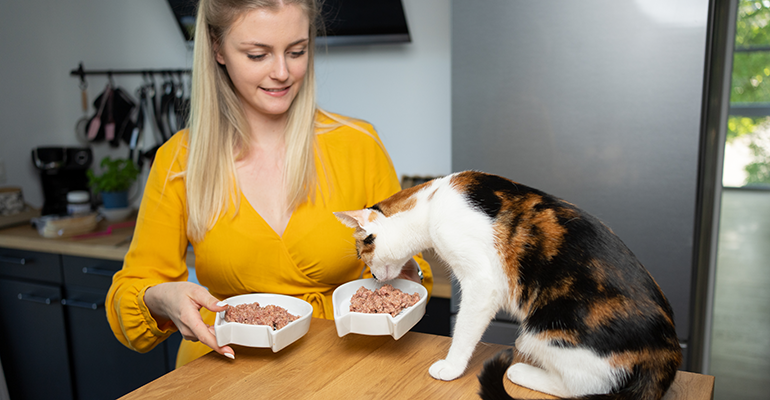
Owners want the best for their animals, which has led to high demand for better quality pet food and supplies from pet stores and mainstream retailers. However, despite major growth in the industry, there have not been as many improvements in the regulation of pet food.
Without stricter guidelines for manufacturing and labeling, allergens or contaminants in pet food can be harmful to both pets and their humans who come into contact with it.
Voluntary reporting leads to safety gaps
In a recent post on the Food Fix blog, food safety writer Phyllis Entis discussed her new book about the history of pet food safety scandals, and what the industry still fails to get right today. Entis said that government agencies do not do enough to prevent incidents in pet food, and that policies are much more reactive than proactive.
In the US, the Food and Drug Administration that regulates human food and medications also oversees pet food. There is also no pet equivalent to the US Centers for Disease Control and Prevention.
“Right now, there’s absolutely no mandatory reporting. Even if a veterinarian finds salmonella in an animal and ties it to the food, any reporting is completely voluntary,” Entis said. “FDA is totally dependent on voluntary reporting from consumers and veterinarians.”
“The only time CDC would even mention animal illness is if there's an outbreak investigation into human illnesses that came from animal food,” she continued.
 © AdobeStock/nuzza11
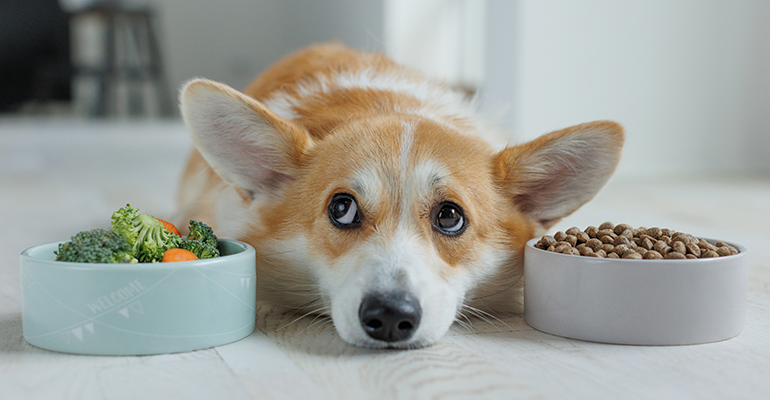
Some owners are choosing to forego packaged food entirely and prepare their pets’ food at home, but this can be prohibitively expensive and time-consuming for most pet owners. It also is a lot to learn about feeding their animals proper nutrition and choosing the right diet for their pets’ health.
Pet owners need a refresher on cross contamination
The CDC and FDA do have some warnings on their websites about the link between pet food and human illness, particularly raw food. Citing internal data, the FDA said that raw pet food is more likely to be contaminated with disease-causing bacteria than other types of pet food. The agency urges people to clean and disinfect properly when handling raw pet food to avoid infections like salmonella and listeria.
Pet owners may need the reminder. In a 2020 study conducted by Purdue University in the US, researchers found that many pet owners have poor hygiene when it comes to feeding or playing with their cats and dogs, increasing their risk of foodborne illness.
Forty-two percent of survey participants reported that they do not wash their hands after feeding their pets, 70% allow their pets to lick them, and 8% said they occasionally eat pet food and treats themselves.
Pet food can be recalled due to foodborne pathogens just as human food can, but the recalls are less widely reported and followed. The researchers of the study concluded that pet owners “need more education about the safety of pet foods and proper handling of food and pets to prevent contracting an illness.”

Get more of our news on Google
Set Ingredients Network as a 'Preferred Source' to get quicker access to the news you value.
Related news

Food fraud costs UK economy £2bn each year
9 Sep 2026
Food fraud is costing the UK economy up to £2 billion (€2.3 billion) every year although the food sector is more “resilient” than others, according to a recent study.
Read more
EU's ban on Brazilian meat expected to raise prices
7 Sep 2026
Around 25% of the EU’s imported chicken and beef comes from Brazil. From September, products that fail to meet the EU antimicrobial resistance rules will be banned.
Read more
Kellogg accelerates work to remove artificial colours from all US cereals
3 Sep 2026
WK Kellogg has announced an accelerated timeline to eliminate all artificial colours and the chemical preservative, BHT, across its full US portfolio of cereals and cereal packaging.
Read more
‘Urgent gaps’ in achieving 2030 food system goals
27 Aug 2026
Global food systems are failing to meet 2030 targets across indicators including health, environment, and resilience, according to a report co-authored by the Food and Agriculture Organisation (FAO).
Read more
Seven-Eleven uses microbial testing tech to extend katsudon shelf life
26 Aug 2026
Japanese retail company Seven-Eleven has improved its factory’s microbial environment to keep comfort-food staple, katsudon, fresher for longer.
Read more
Global demand for instant noodles continues to rise
24 Aug 2026
Global demand for instant noodles reached 124.21 billion servings last year, representing a 0.7% year-on-year increase – or 900 million extra servings.
Read more
Critics slam ‘chaotic’ response to cyclosporiasis outbreak after first deaths reported
7 Aug 2026
Questions have been raised over the “chaotic” response to the cyclosporiasis outbreak in the US after two deaths were reported.
Read more
Digital twin technology gains ground in food manufacturing
6 Aug 2026
Food and beverage companies are increasingly turning to digital twins to optimise and automate manufacturing processes, but opportunities stretch far beyond this, say experts.
Read more
Codex sets global thresholds for ‘may contain’ labels
3 Aug 2026
Codex Alimentarius has adopted its first global guidance on when to use “may contain” allergen warnings, setting thresholds intended to stop the label being used as blanket legal cover.
Read more
EU sets maximum MOAH levels to protect human health
28 Jul 2026
The EU will adopt maximum levels for mineral oil aromatic hydrocarbons (MOAH) in food to protect human health. What do manufacturers need to know?
Read more