
Ingredients Categories
Finished Products
Finished Food Categories
- Bakery
- Beverages / Juices
- Cereal and grain products
- Confectionery
- Cooking Fats & Oils
- Dairy
- Egg products
- Fruits & Vegetables
- Infant & Baby food
- Meat, Poultry & Fish
- Nuts & Seeds products
- Other Finished Food Categories
- Pet Food
- Plant-based foods
- Prepared foods
- Sauces & Seasonings
- Sweet & Savoury Spreads
Specialised Finished Products
- Bee products
- Biotic products
- Dietary supplements
- Energy drinks
- Functional beverages
- Functional confectionery
- Functional food
- Functional powders
- Meal replacement products
- Nutricosmetics
- Other Specialised Finished Products
- Pet Dietary Supplements
- Pharma and OTC products
- Protein products
- Sugar replacers / Sweeteners
Health & Wellness Areas
Delivery Formats
Operations & Services
- 3D printing
- Analysis/ Testing
- Auditing & certifications
- Blending & mixing
- Bottling
- Certification
- Clinical trials
- Co-packing
- Coating
- Consulting
- Contract manufacturing
- Drying
- Electrospinning
- Encapsulating
- Enzymatic processing
- Extracting
- Extrusion
- Fat structuring
- Fermentation
- Filling
- Flavour development
- Freeze drying
- Granulating/ grinding/ milling / mixing
- High-pressure processing
- Labelling
- Other Operations & Services
- Packaging
- Packet filling
- Pasturising
- Quality assurance
- Saccharification
- Shear cell processing
- Spray drying
- Sterilisation
- Storage & Logistics
- Tabletting
- Toasting / roasting
- Ultra-high temperature processing
News
Metabolic health, brain food, and fibre among Holland & Barrett’s top wellness trends for 2025
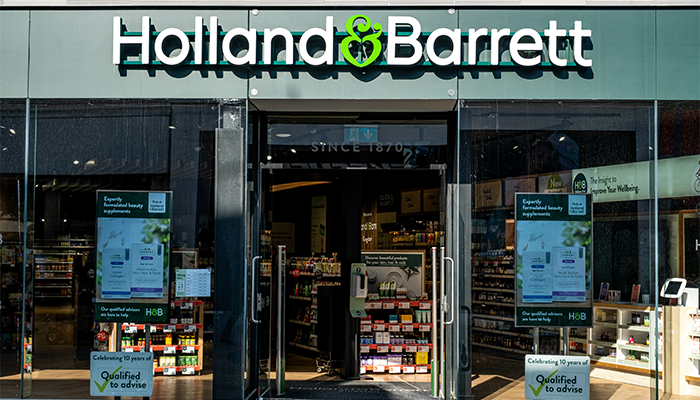
Simon Pitman, Freelance Journalist 6 Jan 2025UK health and wellness retailer Holland & Barrett has published its top wellness trends for 2025, including metabolism support, brain food, fibre, fertility, and functional tea.
In 2024, life expectancy and longevity have taken centre stage, with Gen Z clearly demonstrating on social media platforms like TikTok that they are interested in taking preventative measures to ensure they remain healthy into old age.
Reflecting this, searches for magnesium glycinate were up on H&B.com by 180%, while searches for turmeric supplements resulted in one product being sold every second by the retailer, a jump of 67% compared to 2023.
Personalised solutions define the space
April Preston, the retailer’s product director, said that the company’s more than 150 years of expertise in the health and wellness space gives its fourth annual report, the Wellness Trends Report, a deeper context to its forecast for what products will be the most important in the year ahead.
“Our team of scientists, nutritionists, forecasters and innovators scour the globe to find the latest trends allowing us to develop market leading products, services, diagnostics, and personalised solutions that broaden our customer’s health horizons,” said Preston.
Holland & Barrett experts believe that all of this is likely to culminate in products and trends that combine nutrition, movement and mental wellbeing, helping to define what health and wellness will be about in 2025.
Metabolism, brain food, and tea
While the conventional view of metabolism has focused on whether it was ‘fast’ or ‘slow’, in 2025 that notion will be redefined to more accurately reflect the complexities of metabolic health, covering everything from energy levels to fighting disease and skin appearance.
That means that, “in 2025 maintaining, ‘resetting’, or ‘retraining’ metabolism for a longer, healthier life will be on the trend,” the Holland & Barrett report highlights.
Next year is also likely to see a bigger emphasis on brain foods, with technology, supplements, and fortified foods likely to play a significant part in helping this area shine.
As one in three people in the UK are likely to develop dementia, consumers are making brain health more of a priority by focusing on preventative measures. In line with this, Holland & Barrett is expecting to see a jump in demand for brain-healthy ingredients like omega-3 fatty acids, iodine, choline, and nootropics.
Tea is also expected to be reimagined, as an increasing number of younger consumers make the switch to fortified drinks with specific health benefits. According to Holland & Barrett, this is contributing to annual growth of 6.1% for the functional food and beverage market, with a forecast value of $12.2 billion by 2032.
Gen Z consumers are driving this growth, and when it comes to teas, consumers are looking for innovative flavours with ingredients that provide science-backed health-promoting benefits.
Spotlight on the right fibre mix and fertility
While it is common knowledge that fruit and veg are the best source of fibre, statistics from the Global Burden of Disease Study show that most people eat less than two-thirds of the recommended daily target.
Brands are trying to help meet this shortfall by promoting high-fibre products with a more enticing format that includes shakes, bars and drinks such as fibre-infused water – the latter proving to be a popular recent addition to retail shelves.
Meanwhile, with fertility rates dropping worldwide and the average age of expectant mothers rising in most developed countries, it is not surprising that there is a renewed emphasis on female fertility.
To answer this, Holland & Barrett is expecting to see a spike in brands targeting women with products containing choline, a water-soluble vitamin that is supports foetal brain development, and one that only 11% of women in the EU meet current guidelines.

Get more of our news on Google
Set Ingredients Network as a 'Preferred Source' to get quicker access to the news you value.
Related news

M&S launches own-brand pet food range
11 Sep 2026
UK retailer Marks & Spencer has launched its own-brand pet food line Paws & Pals – a well-timed and strategic move that will appeal to loyal shoppers, says a marketing expert.
Read more
Do the US dietary guidelines put UPFs under pressure?
10 Sep 2026
Will the US dietary guidelines change the way Americans eat, swapping ultra-processed foods for whole foods? We asked Dr Barry Popkin, renowned nutrition and obesity researcher.
Read more
Food fraud costs UK economy £2bn each year
9 Sep 2026
Food fraud is costing the UK economy up to £2 billion (€2.3 billion) every year although the food sector is more “resilient” than others, according to a recent study.
Read more
Health and wellness engagement matures across Middle East and Africa
4 Sep 2026
Many consumers in the Middle East and Africa are now proactively engaged in health and wellness, looking to integrate better habits and products into their daily lives, say experts.
Read more
Kellogg accelerates work to remove artificial colours from all US cereals
3 Sep 2026
WK Kellogg has announced an accelerated timeline to eliminate all artificial colours and the chemical preservative, BHT, across its full US portfolio of cereals and cereal packaging.
Read more
Skimpflation: An ‘unfair’ and risky approach to keeping prices low
2 Sep 2026
Consumers see skimpflation – reducing the quality of ingredients due to rising costs – as more unfair than shrinkflation, making it a risky strategy according to recent research.
Read more
Royal Canin launches ‘freshly-cooked’ therapeutic dog food
1 Sep 2026
Mars-owned Royal Canin has moved into the therapeutic diet sector with the launch of its Fresh Veterinary Diets range for dogs with health conditions. We asked a veterinary nutritionist for her opinion.
Read more
NielsenIQ’s EU barometer shows Britain leading in grocery inflation
31 Aug 2026
Britain was the only country to record grocery inflation above 2%, according to NielsenIQ data that compared Europe’s five biggest grocery markets from February to May 2026.
Read more
‘Urgent gaps’ in achieving 2030 food system goals
27 Aug 2026
Global food systems are failing to meet 2030 targets across indicators including health, environment, and resilience, according to a report co-authored by the Food and Agriculture Organisation (FAO).
Read more
Seven-Eleven uses microbial testing tech to extend katsudon shelf life
26 Aug 2026
Japanese retail company Seven-Eleven has improved its factory’s microbial environment to keep comfort-food staple, katsudon, fresher for longer.
Read more