
Ingredients Categories
Finished Products
Finished Food Categories
- Bakery
- Beverages / Juices
- Cereal and grain products
- Confectionery
- Cooking Fats & Oils
- Dairy
- Egg products
- Fruits & Vegetables
- Infant & Baby food
- Meat, Poultry & Fish
- Nuts & Seeds products
- Other Finished Food Categories
- Pet Food
- Plant-based foods
- Prepared foods
- Sauces & Seasonings
- Sweet & Savoury Spreads
Specialised Finished Products
- Bee products
- Biotic products
- Dietary supplements
- Energy drinks
- Functional beverages
- Functional confectionery
- Functional food
- Functional powders
- Meal replacement products
- Nutricosmetics
- Other Specialised Finished Products
- Pet Dietary Supplements
- Pharma and OTC products
- Protein products
- Sugar replacers / Sweeteners
Health & Wellness Areas
Delivery Formats
Operations & Services
- 3D printing
- Analysis/ Testing
- Auditing & certifications
- Blending & mixing
- Bottling
- Certification
- Clinical trials
- Co-packing
- Coating
- Consulting
- Contract manufacturing
- Drying
- Electrospinning
- Encapsulating
- Enzymatic processing
- Extracting
- Extrusion
- Fat structuring
- Fermentation
- Filling
- Flavour development
- Freeze drying
- Granulating/ grinding/ milling / mixing
- High-pressure processing
- Labelling
- Other Operations & Services
- Packaging
- Packet filling
- Pasturising
- Quality assurance
- Saccharification
- Shear cell processing
- Spray drying
- Sterilisation
- Storage & Logistics
- Tabletting
- Toasting / roasting
- Ultra-high temperature processing
News
Nestlé plans to launch a vegan KitKat bar
Katja Knox, Editorial Account Manager 19 Feb 2021For those looking for plant-based treats, KitKat bars will soon offer a vegan alternative, announced Swiss CPG giant Nestlé. The newest KitKat formulation will be called KitKat V, and it will be certified vegan as well as use 100% sustainable cocoa.
While the exact ingredient list of its vegan formula was not released alongside the announcement, Nestlé noted that consumers will “soon have a delicious plant-based option that delivers the perfect balance between crispy wafer and smooth chocolate that people know and love.”

However, not everyone will immediately have access to this new sweet treat. When the vegan KitKat rolls out, it will be available in “several countries across the globe,” the company said. Nestlé did not disclose all those future destinations for the debut of its vegan candy bar, but it did say in the release that in the initial testing phases for the product that these new KitKats will only be available in boutique KitKat Chocolatory shops or online and through select retailers.
Britain is one location that is sure to receive vegan KitKats in the initial launch as research for this new vegan KitKat was done in the country. However, the U.S. will not take part in the initial testing wave and will have to be on the waiting list for a future release date since KitKat in that country is produced under a licensing agreement with Hershey’s, the company said.
This launch is part of the company’s larger effort to help "people embrace a more plant-based diet, with options across its wide range of food and beverages." Already, Nestlé has developed and released plant-based alternatives to dairy made from rice, oat, soy, coconut, pea and almonds that are found in its non-dairy ice cream, coffee creamers and other products.
In addition to appealing to consumers that are looking toward plant-based alternatives for health reasons, vegan diets are also more sustainable. The U.S. Dietary Guidelines Advisory Committee found in 2015 that eating less meat was better for the environment, The Hill reported at the time. Nestlé, which is planning to spend billions to reach its sustainability goals of net-zero emissions by 2050, cut food waste and create sustainable packaging alternatives, is opening yet another avenue to help reach these goals through its crispy, veganized KitKat bar.

Get more of our news on Google
Set Ingredients Network as a 'Preferred Source' to get quicker access to the news you value.
Related news

Do the US dietary guidelines put UPFs under pressure?
10 Sep 2026
Will the US dietary guidelines change the way Americans eat, swapping ultra-processed foods for whole foods? We asked Dr Barry Popkin, renowned nutrition and obesity researcher.
Read more
Food fraud costs UK economy £2bn each year
9 Sep 2026
Food fraud is costing the UK economy up to £2 billion (€2.3 billion) every year although the food sector is more “resilient” than others, according to a recent study.
Read more
Kellogg accelerates work to remove artificial colours from all US cereals
3 Sep 2026
WK Kellogg has announced an accelerated timeline to eliminate all artificial colours and the chemical preservative, BHT, across its full US portfolio of cereals and cereal packaging.
Read more
Skimpflation: An ‘unfair’ and risky approach to keeping prices low
2 Sep 2026
Consumers see skimpflation – reducing the quality of ingredients due to rising costs – as more unfair than shrinkflation, making it a risky strategy according to recent research.
Read more
‘Urgent gaps’ in achieving 2030 food system goals
27 Aug 2026
Global food systems are failing to meet 2030 targets across indicators including health, environment, and resilience, according to a report co-authored by the Food and Agriculture Organisation (FAO).
Read more
Seven-Eleven uses microbial testing tech to extend katsudon shelf life
26 Aug 2026
Japanese retail company Seven-Eleven has improved its factory’s microbial environment to keep comfort-food staple, katsudon, fresher for longer.
Read more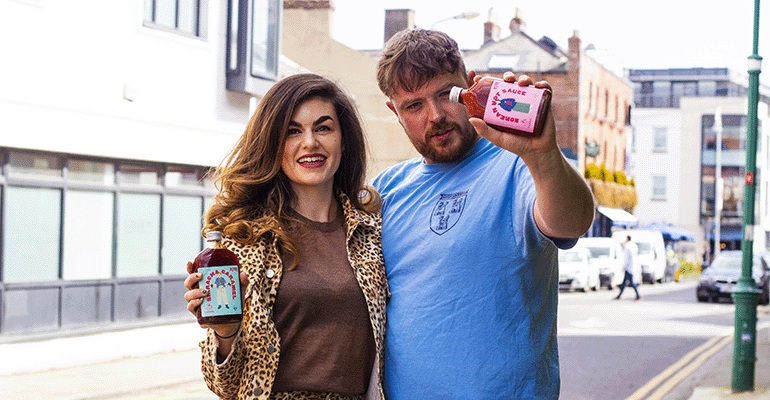
Chimac’s fusion sauces bring Korean flavours to Europe
25 Aug 2026
Irish sauce brand Chimac is tapping into Korea’s culinary traditions, bringing its flavours and products to European consumers who want a taste of K-food.
Read more
Global demand for instant noodles continues to rise
24 Aug 2026
Global demand for instant noodles reached 124.21 billion servings last year, representing a 0.7% year-on-year increase – or 900 million extra servings.
Read more
China beverages: Is herbal innovation the future?
20 Aug 2026
Herbal and botanical innovation in China's drinks market continues to grow, with ingredients like astragalus root, ginger, and ginseng in the spotlight – and focus shifting far beyond refreshment.
Read more
Popular barbecue staples experience sharp price increases
19 Aug 2026
The typical cost of US shoppers’ barbecue baskets has risen by 12% over the past year – the fastest annual rise in a decade, figures from The Economist show.
Read more