
Ingredients Categories
Finished Products
Finished Food Categories
- Bakery
- Beverages / Juices
- Cereal and grain products
- Confectionery
- Cooking Fats & Oils
- Dairy
- Egg products
- Fruits & Vegetables
- Infant & Baby food
- Meat, Poultry & Fish
- Nuts & Seeds products
- Other Finished Food Categories
- Pet Food
- Plant-based foods
- Prepared foods
- Sauces & Seasonings
- Sweet & Savoury Spreads
Specialised Finished Products
- Bee products
- Biotic products
- Dietary supplements
- Energy drinks
- Functional beverages
- Functional confectionery
- Functional food
- Functional powders
- Meal replacement products
- Nutricosmetics
- Other Specialised Finished Products
- Pet Dietary Supplements
- Pharma and OTC products
- Protein products
- Sugar replacers / Sweeteners
Health & Wellness Areas
Delivery Formats
Operations & Services
- 3D printing
- Analysis/ Testing
- Auditing & certifications
- Blending & mixing
- Bottling
- Certification
- Clinical trials
- Co-packing
- Coating
- Consulting
- Contract manufacturing
- Drying
- Electrospinning
- Encapsulating
- Enzymatic processing
- Extracting
- Extrusion
- Fat structuring
- Fermentation
- Filling
- Flavour development
- Freeze drying
- Granulating/ grinding/ milling / mixing
- High-pressure processing
- Labelling
- Other Operations & Services
- Packaging
- Packet filling
- Pasturising
- Quality assurance
- Saccharification
- Shear cell processing
- Spray drying
- Sterilisation
- Storage & Logistics
- Tabletting
- Toasting / roasting
- Ultra-high temperature processing
News
Non-profit says 75% of US conventional fruit and veg contain pesticide residues
Kacey Culliney, Freelance Journalist 26 May 2026Three-quarters of non-organic fruit and vegetables sold in the US contain pesticide residues, with PFAS “forever chemical” pesticides particularly frequent, says the Environmental Working Group (EWG).
The American non-profit released its annual 2026 Shopper's Guide to Pesticides in Produce report which indicated that 75% of non-organic or conventionally grown produce samples sold on the US market contained pesticide residues.
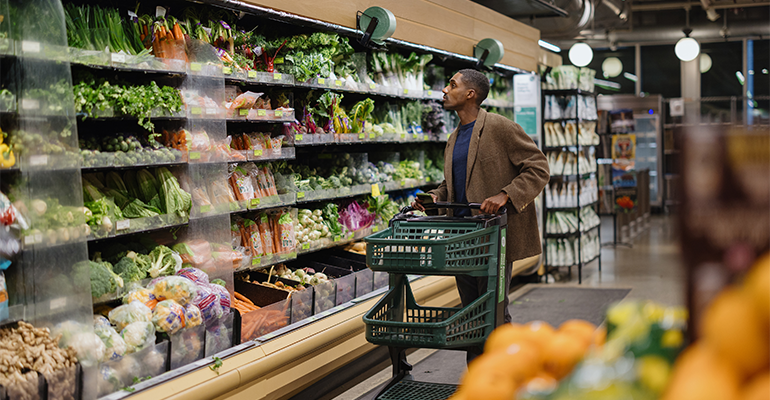
According to the findings, the most frequently detected pesticides across all fruits and vegetables were per- and polyfluoroalkyl (PFAS) pesticides, also known as 'forever chemicals' because of their persistence in the environment.
The PFAS fungicide fludioxonial was the most frequently detected overall, found in 14% of all produce samples and present in almost 90% of peach and plum samples. Two other PFAS pesticides, fluopyram and bifenthrin, were found in 8% and 7% of fruit and vegetable samples, respectively, detected most often on grapes and blackberries.
Annual findings were based on analysis of the latest US Department of Agriculture (USDA) testing data which covered 54,344 samples of 47 fruits and vegetables, peeled or scrubbed and washed ahead of testing.
According to EWG, the annual report was designed as a tool to inform shoppers. As part of the report, the non-profit ranked fruit and vegetable produce according to a methodology that measured pesticide contamination, tracking abundance, diversity, intensity and toxicity.
Its Dirty Dozen list of fruits and vegetables, for example, contained the highest levels of pesticide residues: spinach; kale, collard and mustard greens; strawberries; grapes; nectarines; peaches; cherries; apples; blackberries; pears; potatoes; and blueberries.
The Clean Fifteen list then indicated produce with the lowest pesticide residues: pineapples; sweet corn (fresh and frozen); avocados; papaya; onion; sweet peas (frozen); asparagus; cabbage; cauliflower; watermelon; mangos; bananas; carrots; mushrooms; and kiwi.
PFAS pesticides
“This year's findings underscore the presence of PFAS pesticides in the food supply,” said Varun Subramaniam, science analyst at EWG.
This was particularly apparent within EWG's Dirty Dozen list, where PFAS pesticides appeared on 63% of samples. Overall, a total of 203 different pesticides were detected in the fruits and vegetables from the twelve items in the list, with most items having an average of four or more pesticides per sample.
By contrast, only 16% of items in the Clean Fifteen list contained residues of two or more pesticides, with 60% of samples having no detectable pesticide residues.
Speaking to Ingredients Network, Dayna de Montagnac, associate scientist at EWG, said: “We can't say this year's analysis was a huge shock. Pesticide residues remain pervasive on fruits and vegetables sold in the US, but produce on the Clean Fifteen and Dirty Dozen are consistent with last year.”
What has come out as a “major focus” this year, however, is the presence of PFAS pesticides, Montagnac said. “At least trace amounts of PFAS pesticides were detected on all 47 fruit and vegetables in the USDA data. The highest detection were for peaches, plums, strawberries and grapes, with more than 80% of samples having residue of at least one PFAS pesticide.”
According to the EWG report, this raised concerns given the “significant research gaps” around PFAS pesticides and their impact on human health.
“Scientists are still figuring out how toxic these chemicals may be, particularly in real-world conditions, such as exposure to mixtures of multiple pesticides at once rather than sincle chemicals in isolation. Better understanding of PFAS in general suggests PFAS pesticides should get greater regulatory and scientific scrutiny,” the non-profit said.
In the meantime, Geoff Horsfield, legislative director at EWG, told Ingredients Network retailers and manufacturers should “look at their own supply chains” to prioritise growers and practices that reduce the worst pesticides, as well as explore the top-tier of certifications like USDA Organic and Regenerative Organic Certified (ROC).
“A diet rich in fruits and vegetables is essential”
Despite these findings, the EWG insisted that the goal of the report was to encourage consumption of fruits and vegetables, not deter it.
Montagnac said there were simple steps shoppers could take to reduce exposure, including opting for organic or frozen variants where possible, and washing all fruits and vegetables thoroughly before consumption. The benefits of consuming fresh fruits and vegetables, she said, “outweigh the risks of pesticide exposure” and the report should be considered a “tool, not a rule, aimed at helping consumer prioritise organic versions of produce on the Dirty Dozen list”.

Get more of our news on Google
Set Ingredients Network as a 'Preferred Source' to get quicker access to the news you value.
Related news

Do the US dietary guidelines put UPFs under pressure?
10 Sep 2026
Will the US dietary guidelines change the way Americans eat, swapping ultra-processed foods for whole foods? We asked Dr Barry Popkin, renowned nutrition and obesity researcher.
Read more
Food fraud costs UK economy £2bn each year
9 Sep 2026
Food fraud is costing the UK economy up to £2 billion (€2.3 billion) every year although the food sector is more “resilient” than others, according to a recent study.
Read more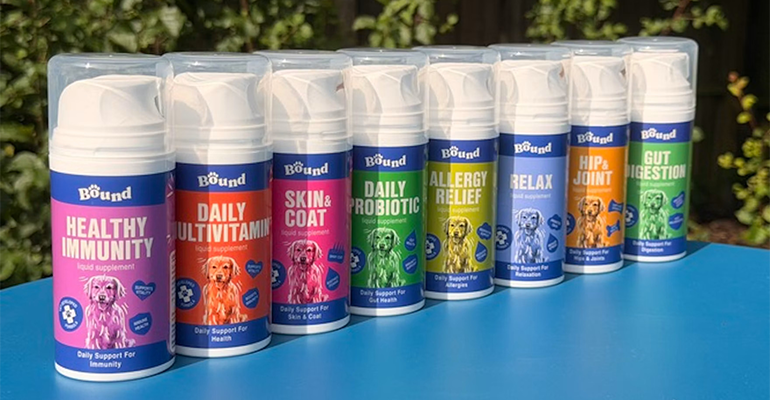
Pump-based liquid pet supplement focuses on health and convenience
8 Sep 2026
Prefera Pet Food uses a plastic pump-based packaging to make administering its liquid supplements for cats and dogs easier, healthier, and more accurate.
Read more
Health and wellness engagement matures across Middle East and Africa
4 Sep 2026
Many consumers in the Middle East and Africa are now proactively engaged in health and wellness, looking to integrate better habits and products into their daily lives, say experts.
Read more
Kellogg accelerates work to remove artificial colours from all US cereals
3 Sep 2026
WK Kellogg has announced an accelerated timeline to eliminate all artificial colours and the chemical preservative, BHT, across its full US portfolio of cereals and cereal packaging.
Read more
Royal Canin launches ‘freshly-cooked’ therapeutic dog food
1 Sep 2026
Mars-owned Royal Canin has moved into the therapeutic diet sector with the launch of its Fresh Veterinary Diets range for dogs with health conditions. We asked a veterinary nutritionist for her opinion.
Read more
‘Urgent gaps’ in achieving 2030 food system goals
27 Aug 2026
Global food systems are failing to meet 2030 targets across indicators including health, environment, and resilience, according to a report co-authored by the Food and Agriculture Organisation (FAO).
Read more
Seven-Eleven uses microbial testing tech to extend katsudon shelf life
26 Aug 2026
Japanese retail company Seven-Eleven has improved its factory’s microbial environment to keep comfort-food staple, katsudon, fresher for longer.
Read more
Chimac’s fusion sauces bring Korean flavours to Europe
25 Aug 2026
Irish sauce brand Chimac is tapping into Korea’s culinary traditions, bringing its flavours and products to European consumers who want a taste of K-food.
Read more
China beverages: Is herbal innovation the future?
20 Aug 2026
Herbal and botanical innovation in China's drinks market continues to grow, with ingredients like astragalus root, ginger, and ginseng in the spotlight – and focus shifting far beyond refreshment.
Read more