
Ingredients Categories
Finished Products
Finished Food Categories
- Bakery
- Beverages / Juices
- Cereal and grain products
- Confectionery
- Cooking Fats & Oils
- Dairy
- Egg products
- Fruits & Vegetables
- Infant & Baby food
- Meat, Poultry & Fish
- Nuts & Seeds products
- Other Finished Food Categories
- Pet Food
- Plant-based foods
- Prepared foods
- Sauces & Seasonings
- Sweet & Savoury Spreads
Specialised Finished Products
- Bee products
- Biotic products
- Dietary supplements
- Energy drinks
- Functional beverages
- Functional confectionery
- Functional food
- Functional powders
- Meal replacement products
- Nutricosmetics
- Other Specialised Finished Products
- Pet Dietary Supplements
- Pharma and OTC products
- Protein products
- Sugar replacers / Sweeteners
Health & Wellness Areas
Delivery Formats
Operations & Services
- 3D printing
- Analysis/ Testing
- Auditing & certifications
- Blending & mixing
- Bottling
- Certification
- Clinical trials
- Co-packing
- Coating
- Consulting
- Contract manufacturing
- Drying
- Electrospinning
- Encapsulating
- Enzymatic processing
- Extracting
- Extrusion
- Fat structuring
- Fermentation
- Filling
- Flavour development
- Freeze drying
- Granulating/ grinding/ milling / mixing
- High-pressure processing
- Labelling
- Other Operations & Services
- Packaging
- Packet filling
- Pasturising
- Quality assurance
- Saccharification
- Shear cell processing
- Spray drying
- Sterilisation
- Storage & Logistics
- Tabletting
- Toasting / roasting
- Ultra-high temperature processing
News
Pet food industry embraces upcycled ingredients
Daniel Searle, Freelance Journalist 9 Jun 2026The use of upcycled ingredients in pet food is growing in popularity, with two industry bodies introducing a new certification for products that use such ingredients.
Upcycled ingredients are byproducts from the human food supply chain, such as surplus fruit and vegetables and pulp from processing, and spent grains from breweries.
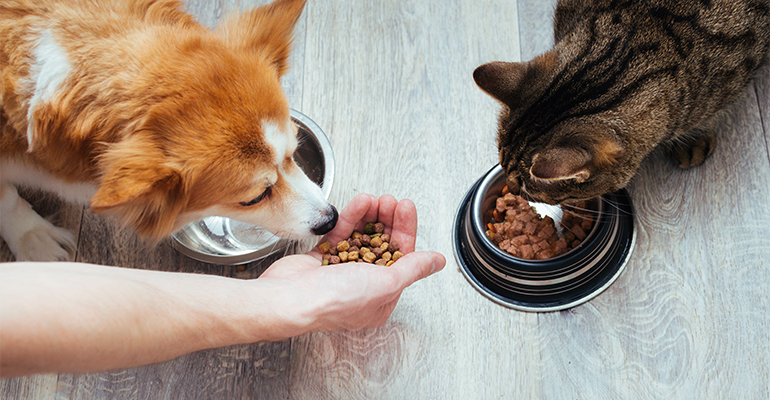
In its 2025 Pet Food Production and Ingredient Analysis report, the Pet Food Institute noted that in 2024, US pet food manufacturers incorporated more than 3 million tons of upcycled ingredients into dog food products, and more than one million tons into cat food. That represented a 44% total share of the 9.8 million tons of pet food produced overall.
Earlier this year, independent third-party food verification company Where Food Comes From introduced its Upcycled Certified label.
Some manufacturers have worked to produce pet food products manufactured exclusively from upcycled ingredients.
Early innovators in the sector include The Conscious Pet, based in Austin, Texas, which launched its first product – DoggieBag, a human-grade food for dogs made from high-quality kitchen scraps and unused foods from local restaurants – in 2022.
The same year, New York-based Health Extension introduced its line of Upcycled Pet Treats, made from surplus fruit and vegetables.
Upcycled ingredients: ‘The sustainability story is real’
Working with upcycled ingredients helps to improve sustainability but is not the cheaper option as some might assume, explained James Bello, chief executive at Shameless Pets, a US-based manufacturer of upcycled cat and dog treats.
“The sustainability story is real and it’s the foundation of the brand,” he said. “We’re the first and only 100% Upcycled Certified pet treat portfolio in the market.
“But I’d gently push back on the assumption that upcycled ingredients are a cost play. In many cases, sourcing surplus or upcycled inputs is actually more complex and more expensive than just buying conventional commodity ingredients.
“You’re dealing with variable supply streams, seasonality, additional food safety documentation, and traceability requirements that don’t exist when you’re just ordering bulk chicken meal from a standard supplier.
“But the primary driver has always been the mission: keeping perfectly nutritious food inputs in the food chain rather than sending them to a landfill.”
Upcycling ‘forces us into higher-quality formulation’
Using upcycled ingredients also increases the quality of the finished products, he added.
“This is the part of the story that surprises people,” he said. “The ingredients we upcycle aren’t scraps – they’re things like blueberries and sweet potatoes that didn’t meet the size spec for a grocery retailer, or overproduced pumpkins from the fall season.
“These are the same high-quality, whole-food inputs you’d find in a premium human product. They just happen to have been displaced from the human supply chain for cosmetic or logistical reasons, not quality reasons.
“All of our upcycled ingredients have functional, health-supporting elements to them. Blueberries support immune health, sweet potatoes promote digestive health, pumpkin is great for gut function. So, when you compare our ingredient decks to much of what's on the shelf in the pet aisle, you’re not just seeing cleaner labels – you’re seeing ingredients that are actively doing something beneficial for the animal.
“Upcycling actually forces us into higher-quality formulation because the inputs themselves are inherently better than the commodity alternatives most brands default to.”
Millennials and gen Z consumers drive demand
The quality produced by using upcycled ingredients is often the initial draw for customers, with the sustainability credentials adding further appeal, he explained.
“Most of our customers initially find us because the product checks the boxes they already care about – real ingredients, limited and recognisable ingredient lists, and a treat their dog actually loves,” he said.
“The upcycled story deepens the relationship and creates brand loyalty. It gives them a reason to feel good about a purchase they were already going to make.
“And yes, there’s significant overlap with the ‘natural pet’ consumer. The pet parent who’s reading ingredient labels and avoiding artificial additives is often the same person who cares about food waste and sustainability.”
The brand is seeing that cohort grow rapidly, particularly among millennials and gen Z pet owners “who bring the same values to the pet aisle that they bring to their own grocery shopping”, he added.

Get more of our news on Google
Set Ingredients Network as a 'Preferred Source' to get quicker access to the news you value.
Related news

Do the US dietary guidelines put UPFs under pressure?
10 Sep 2026
Will the US dietary guidelines change the way Americans eat, swapping ultra-processed foods for whole foods? We asked Dr Barry Popkin, renowned nutrition and obesity researcher.
Read more
Kellogg accelerates work to remove artificial colours from all US cereals
3 Sep 2026
WK Kellogg has announced an accelerated timeline to eliminate all artificial colours and the chemical preservative, BHT, across its full US portfolio of cereals and cereal packaging.
Read more
Skimpflation: An ‘unfair’ and risky approach to keeping prices low
2 Sep 2026
Consumers see skimpflation – reducing the quality of ingredients due to rising costs – as more unfair than shrinkflation, making it a risky strategy according to recent research.
Read more
‘Urgent gaps’ in achieving 2030 food system goals
27 Aug 2026
Global food systems are failing to meet 2030 targets across indicators including health, environment, and resilience, according to a report co-authored by the Food and Agriculture Organisation (FAO).
Read more
Seven-Eleven uses microbial testing tech to extend katsudon shelf life
26 Aug 2026
Japanese retail company Seven-Eleven has improved its factory’s microbial environment to keep comfort-food staple, katsudon, fresher for longer.
Read more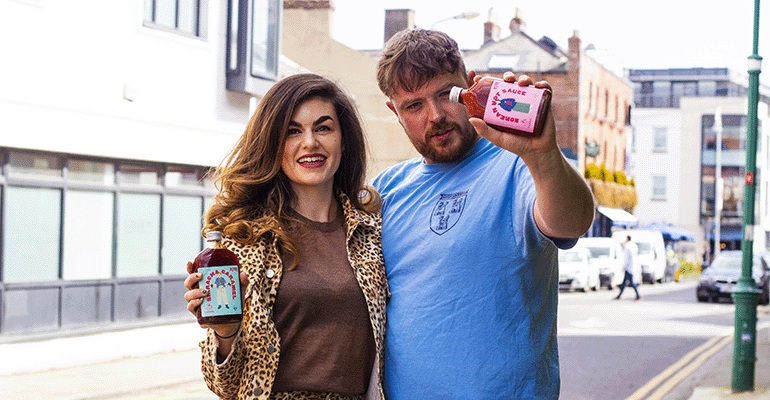
Chimac’s fusion sauces bring Korean flavours to Europe
25 Aug 2026
Irish sauce brand Chimac is tapping into Korea’s culinary traditions, bringing its flavours and products to European consumers who want a taste of K-food.
Read more
Global demand for instant noodles continues to rise
24 Aug 2026
Global demand for instant noodles reached 124.21 billion servings last year, representing a 0.7% year-on-year increase – or 900 million extra servings.
Read more
Popular barbecue staples experience sharp price increases
19 Aug 2026
The typical cost of US shoppers’ barbecue baskets has risen by 12% over the past year – the fastest annual rise in a decade, figures from The Economist show.
Read more
Hot NPD: Nissin launches first cold-water Cup Noodles
18 Aug 2026
Nissin is taking one of Japan’s most iconic instant meals in a completely new direction with the launch of the first cold water-only Cup Noodles in the brand’s 55-year history.
Read more
Beyond 'nice to have': A spotlight on US functional beverages
12 Aug 2026
Functional beverage interest in the US is gaining important ground as consumers now expect function rather than see it as "nice to have", and there are clear market gaps for growth, according to Spate.
Read more