
Ingredients Categories
Finished Products
Finished Food Categories
- Bakery
- Beverages / Juices
- Cereal and grain products
- Confectionery
- Cooking Fats & Oils
- Dairy
- Egg products
- Fruits & Vegetables
- Infant & Baby food
- Meat, Poultry & Fish
- Nuts & Seeds products
- Other Finished Food Categories
- Pet Food
- Plant-based foods
- Prepared foods
- Sauces & Seasonings
- Sweet & Savoury Spreads
Specialised Finished Products
- Bee products
- Biotic products
- Dietary supplements
- Energy drinks
- Functional beverages
- Functional confectionery
- Functional food
- Functional powders
- Meal replacement products
- Nutricosmetics
- Other Specialised Finished Products
- Pet Dietary Supplements
- Pharma and OTC products
- Protein products
- Sugar replacers / Sweeteners
Health & Wellness Areas
Delivery Formats
Operations & Services
- 3D printing
- Analysis/ Testing
- Auditing & certifications
- Blending & mixing
- Bottling
- Certification
- Clinical trials
- Co-packing
- Coating
- Consulting
- Contract manufacturing
- Drying
- Electrospinning
- Encapsulating
- Enzymatic processing
- Extracting
- Extrusion
- Fat structuring
- Fermentation
- Filling
- Flavour development
- Freeze drying
- Granulating/ grinding/ milling / mixing
- High-pressure processing
- Labelling
- Other Operations & Services
- Packaging
- Packet filling
- Pasturising
- Quality assurance
- Saccharification
- Shear cell processing
- Spray drying
- Sterilisation
- Storage & Logistics
- Tabletting
- Toasting / roasting
- Ultra-high temperature processing
News
Arla Foods and DMK Group merge in big-dairy development
Natasha Spencer-Jolliffe, Freelance Journalist 24 Jun 2026International dairy company Arla Foods and German farmer-owned business DMK Group are to merge, creating one of Europe’s biggest dairy cooperatives.
Arla Foods and the DMK Group (DMK) officially began the integration process for their merger on 1 June 2026, becoming a leading name in European dairy after receiving regulatory approval from the European Commission.
The companies said they hoped the merger will create Europe’s leading farmer-owned dairy cooperative and become a European champion to advance dairy farming and food production.
“This is a landmark day for our cooperatives, for the next generation of dairy farmers and for European food production,” said Jan Toft Nørgaard, chair of Arla Foods.
“The task ahead of us is significant. Together, we must secure a strong future for our farmer community and continue to be a reliable, trusted partner in society, safeguarding dairy’s role in a stable food supply during times of geopolitical and economic shifts,” said Ingo Müller, chief integration officer in Arla Foods.
Arla and DMK: Unifying two farmer-owned cooperatives
Arla Foods is around three times the size of DMK, with a revenue of €15.1 billion and milk volume of 14.3 billion kg, compared to DMK’s €5.3 billion in revenue and 5.1 billion kg milk volume.
The merger will unite around 11,200 farmer-owners across seven countries and 28,800 employees, globally. It will also produce a combined projected revenue exceeding €20 billion and annual milk pool of 19.4 billion kilos.
“This is the unification of two farmer-owned cooperatives built on shared values, complementary strengths and a proven partnership,” an Arla Foods spokesperson told Ingredients Network.
At the practical organisation level, DMK will become a subsidiary of Arla Foods. It will remain so for the next two years, during the transition period, until Arla Foods has fully integrated and aligned all business processes, IT systems, and functions. It will then become one business under the Arla Foods name.
Arla Foods and DMK’s partnership seeks to combine scale, reach, and capabilities. By bringing these resources together, Arla Foods plans to invest more in new developments and high-quality dairy production, strengthen customer relevance through a broader and more resilient portfolio, and create new long-term opportunities.
“The merger is designed to increase the value of our farmers’ milk and to contribute to shaping the future of dairy for generations to come,” said Arla’s spokesperson.
The company said that resilience in this context refers to strengthening operational stability, ensuring a strong economic foundation for farmers, and supporting a reliable food supply.
Benefits for manufacturers, farmers, and consumers
Under the merger, farmers will become part of one farmer‑owned cooperative.
Part of the merger offering is to provide greater stability and unite shared values, with the cooperative culture reflecting these. “This scale strengthens the cooperative’s ability to secure the highest possible value for members’ milk while ensuring a resilient home for their milk,” said Arla’s spokesperson.
By bringing together complementary capabilities, global distribution, and a resilient product mix, the joined cooperative believes it is well-positioned to meet customer and market demands, invest in the future of dairy farming, and navigate market volatility and geopolitical uncertainty, according to Arla.
The business merger in practice
“With greater scale, technology and expertise, we can offer more relevant solutions for customers and a wider range of high-quality dairy products for consumers, improving resilience and driving long‑term growth across markets,” the Arla spokesperson said.

Get more of our news on Google
Set Ingredients Network as a 'Preferred Source' to get quicker access to the news you value.
Related news

Do the US dietary guidelines put UPFs under pressure?
10 Sep 2026
Will the US dietary guidelines change the way Americans eat, swapping ultra-processed foods for whole foods? We asked Dr Barry Popkin, renowned nutrition and obesity researcher.
Read more
Health and wellness engagement matures across Middle East and Africa
4 Sep 2026
Many consumers in the Middle East and Africa are now proactively engaged in health and wellness, looking to integrate better habits and products into their daily lives, say experts.
Read more
Skimpflation: An ‘unfair’ and risky approach to keeping prices low
2 Sep 2026
Consumers see skimpflation – reducing the quality of ingredients due to rising costs – as more unfair than shrinkflation, making it a risky strategy according to recent research.
Read more
‘Urgent gaps’ in achieving 2030 food system goals
27 Aug 2026
Global food systems are failing to meet 2030 targets across indicators including health, environment, and resilience, according to a report co-authored by the Food and Agriculture Organisation (FAO).
Read more
Seven-Eleven uses microbial testing tech to extend katsudon shelf life
26 Aug 2026
Japanese retail company Seven-Eleven has improved its factory’s microbial environment to keep comfort-food staple, katsudon, fresher for longer.
Read more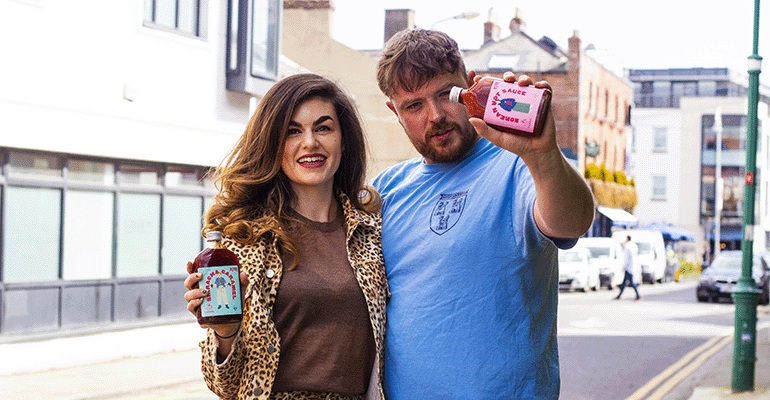
Chimac’s fusion sauces bring Korean flavours to Europe
25 Aug 2026
Irish sauce brand Chimac is tapping into Korea’s culinary traditions, bringing its flavours and products to European consumers who want a taste of K-food.
Read more
Global demand for instant noodles continues to rise
24 Aug 2026
Global demand for instant noodles reached 124.21 billion servings last year, representing a 0.7% year-on-year increase – or 900 million extra servings.
Read more
Popular barbecue staples experience sharp price increases
19 Aug 2026
The typical cost of US shoppers’ barbecue baskets has risen by 12% over the past year – the fastest annual rise in a decade, figures from The Economist show.
Read more
Hot NPD: Nissin launches first cold-water Cup Noodles
18 Aug 2026
Nissin is taking one of Japan’s most iconic instant meals in a completely new direction with the launch of the first cold water-only Cup Noodles in the brand’s 55-year history.
Read more
Manam Chocolate aims to bring premium Indian cacao to 'the world stage'
11 Aug 2026
Craft chocolate brand Manam Chocolate is investing in local expansion and supply chain innovation throughout India as it works to build out the premium reputation of its locally produced cacao products.
Read more