
Ingredients Categories
Finished Products
Finished Food Categories
- Bakery
- Beverages / Juices
- Cereal and grain products
- Confectionery
- Cooking Fats & Oils
- Dairy
- Egg products
- Fruits & Vegetables
- Infant & Baby food
- Meat, Poultry & Fish
- Nuts & Seeds products
- Other Finished Food Categories
- Pet Food
- Plant-based foods
- Prepared foods
- Sauces & Seasonings
- Sweet & Savoury Spreads
Specialised Finished Products
- Bee products
- Biotic products
- Dietary supplements
- Energy drinks
- Functional beverages
- Functional confectionery
- Functional food
- Functional powders
- Meal replacement products
- Nutricosmetics
- Other Specialised Finished Products
- Pet Dietary Supplements
- Pharma and OTC products
- Protein products
- Sugar replacers / Sweeteners
Health & Wellness Areas
Delivery Formats
Operations & Services
- 3D printing
- Analysis/ Testing
- Auditing & certifications
- Blending & mixing
- Bottling
- Certification
- Clinical trials
- Co-packing
- Coating
- Consulting
- Contract manufacturing
- Drying
- Electrospinning
- Encapsulating
- Enzymatic processing
- Extracting
- Extrusion
- Fat structuring
- Fermentation
- Filling
- Flavour development
- Freeze drying
- Granulating/ grinding/ milling / mixing
- High-pressure processing
- Labelling
- Other Operations & Services
- Packaging
- Packet filling
- Pasturising
- Quality assurance
- Saccharification
- Shear cell processing
- Spray drying
- Sterilisation
- Storage & Logistics
- Tabletting
- Toasting / roasting
- Ultra-high temperature processing
News
Quorn to launch blended meat-mycoprotein products
Niamh Michail, Head of Publishing 18 Jul 2024One of the original meat-free brands, Quorn, is to start making blended meat-mycoprotein products via its B2B division. By doing so it could reach more flexitarian consumers – but does it risk alienating its core vegan/vegetarian base?
Quorn said this strategic move is part of its evolution from a brand that wants to “help a few people eat no meat” to one that “helps everyone eat less meat”.
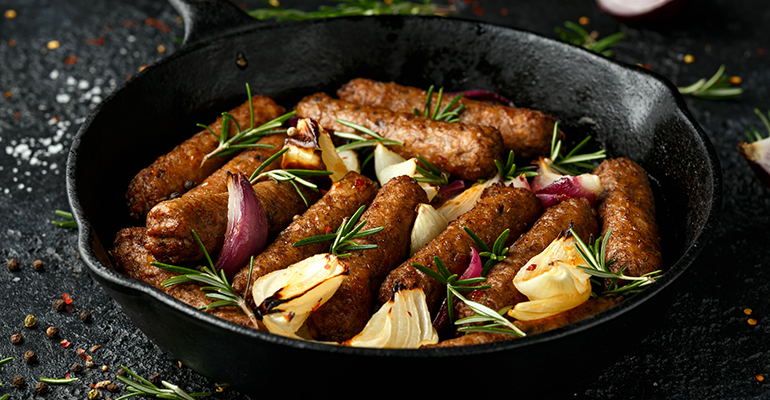
The project will involve Marlow Ingredients, Quorn’s B2B ingredient division created last year, supplying Quorn mycoprotein to key foodservice operators and health service institutions in the UK, including the National Health Service (NHS), to replace 100% meat-based sausages and burgers with blended versions.
The products, made of 50% mycoprotein and 50% meat, should be available at the end of the year and will help support meat-reduction targets that are necessary to combat climate change, the company said.
Targeting flexitarian eaters
Peter Wennstrom, founder of food branding consultancy, the Healthy Marketing Team (HMT), told Ingredients Network that targeting foodservice channels and institutions such as hospitals could be a winning strategy.
“Since the consumers of these hybrid products are likely to be patients of these care institutions, most often an older demographic, we can draw the conclusion that it has to be familiar meat formats like sausages and meat loafs and similar formats, where the qualifier is taste and texture that imitates the original,” he said.
“This would be a good strategy for foodservice and hospitals because in retail, these older consumers might not choose such products as they are not looking for it. And this is usually the demographic that needs to change but doesn’t want change.”
Quorn’s reputation may be protected by the fact that this strategy is being pursued by the B2B entity. The finished products will not feature the brand name Quorn but will reference the use of mycoprotein in the product. (Mycoprotein can be allergenic for some people.)
“We are far away from a plant-based consumer market and we are far away from the Quorn brand,” Wennstrom added. “It’s an ingredient business well separated from the branded consumer business, Quorn.”
Aurore de Monclin, senior partner at HMT referenced its research and consumer surveys which have shown that flexitarians in the UK do not like the taste of Quorn. The brand has therefore struggled to attract this demographic and this shift in positioning, according to de Monclin, “clearly showed” that Quorn was attempting to court flexitarians via the most effective strategy it has identified to overcome the taste barrier: meat blends.
Hybrid blends: Both traditional and modern
Arguably, creating a blended meat-plant-based product is not a huge departure from the classic iteration of many traditional products. Sausages in the UK, for example, are typically made with a blend of pork meat and cereals.
Nor is this the first time a major brand has entered the hybrid category. US meat giant Tyson Foods launched a burger patty that blended Angus beef with pea protein under its Raised & Rooted brand (although the product has since been pulled from shelves) while poultry processor Perdue’s Chicken Plus product blends chicken with cauliflower, cabbage, and chickpea protein.
Earlier this month, Nestlé – the biggest food and drink manufacturer in the world – launched a “meat extender” product under its Maggi brand in Chile. Made with soy protein and spices, the Nestlé product, called Rindecarne, is to be mixed with meat by consumers in the home, allowing them to double the amount of servings at an affordable price while retaining the nutritional value and without compromising on taste, Nestlé said.
Rindecarne is positioned firmly around cost savings for the consumer while Perdue’s Chicken Plus is marketed as offering parents a “kid-approved” way of getting children to eat more vegetables.
Alienating vegans
While such arguments can appeal to flexitarians, HMT analysts said that traditional vegetarian consumers who feel loyal to the Quorn brand could feel alienated by its strategic move – particularly given the company’s reputation for being one of the original pioneers of meat-free eating.
“… animal farming products are an absolute no-no for [vegans],” de Monclin said. “Although it is a B2B proposition, it is already being communicated and spread on social media. You can be sure that the vegan activists will hear about it sooner than later.”
Marit Veenstra, brand strategist at HMT, warned: “A Quorn branded meat hybrid is far from the once vegetarian pioneer brand Quorn and its predominantly vegan consumers. So, from a B2C brand point of view, this might not be the way forward.”

Get more of our news on Google
Set Ingredients Network as a 'Preferred Source' to get quicker access to the news you value.
Related news

Do the US dietary guidelines put UPFs under pressure?
10 Sep 2026
Will the US dietary guidelines change the way Americans eat, swapping ultra-processed foods for whole foods? We asked Dr Barry Popkin, renowned nutrition and obesity researcher.
Read more
Food fraud costs UK economy £2bn each year
9 Sep 2026
Food fraud is costing the UK economy up to £2 billion (€2.3 billion) every year although the food sector is more “resilient” than others, according to a recent study.
Read more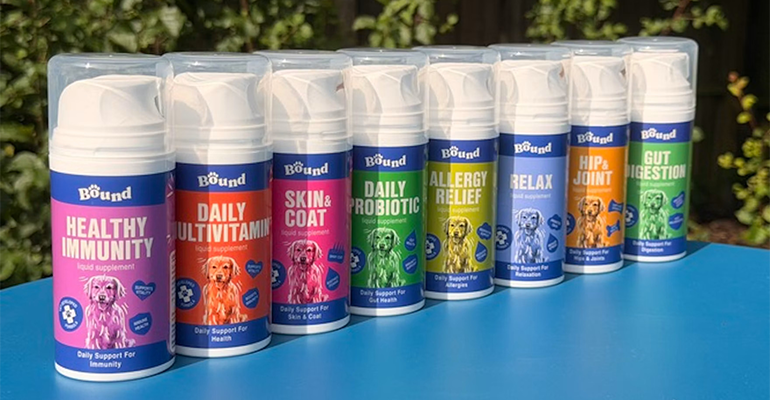
Pump-based liquid pet supplement focuses on health and convenience
8 Sep 2026
Prefera Pet Food uses a plastic pump-based packaging to make administering its liquid supplements for cats and dogs easier, healthier, and more accurate.
Read more
Health and wellness engagement matures across Middle East and Africa
4 Sep 2026
Many consumers in the Middle East and Africa are now proactively engaged in health and wellness, looking to integrate better habits and products into their daily lives, say experts.
Read more
Kellogg accelerates work to remove artificial colours from all US cereals
3 Sep 2026
WK Kellogg has announced an accelerated timeline to eliminate all artificial colours and the chemical preservative, BHT, across its full US portfolio of cereals and cereal packaging.
Read more
Royal Canin launches ‘freshly-cooked’ therapeutic dog food
1 Sep 2026
Mars-owned Royal Canin has moved into the therapeutic diet sector with the launch of its Fresh Veterinary Diets range for dogs with health conditions. We asked a veterinary nutritionist for her opinion.
Read more
‘Urgent gaps’ in achieving 2030 food system goals
27 Aug 2026
Global food systems are failing to meet 2030 targets across indicators including health, environment, and resilience, according to a report co-authored by the Food and Agriculture Organisation (FAO).
Read more
Seven-Eleven uses microbial testing tech to extend katsudon shelf life
26 Aug 2026
Japanese retail company Seven-Eleven has improved its factory’s microbial environment to keep comfort-food staple, katsudon, fresher for longer.
Read more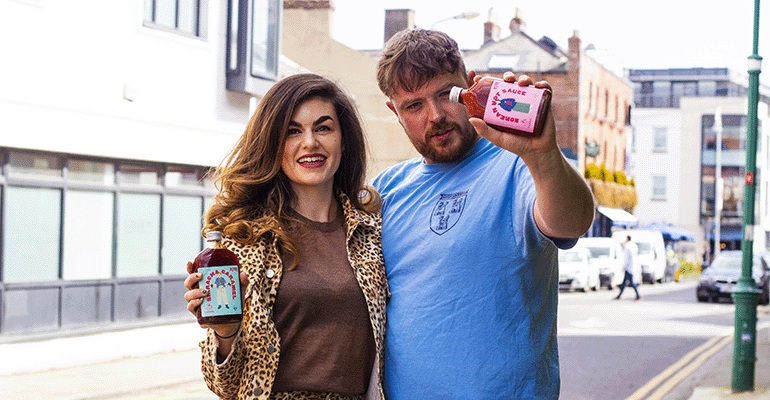
Chimac’s fusion sauces bring Korean flavours to Europe
25 Aug 2026
Irish sauce brand Chimac is tapping into Korea’s culinary traditions, bringing its flavours and products to European consumers who want a taste of K-food.
Read more
China beverages: Is herbal innovation the future?
20 Aug 2026
Herbal and botanical innovation in China's drinks market continues to grow, with ingredients like astragalus root, ginger, and ginseng in the spotlight – and focus shifting far beyond refreshment.
Read more