
Ingredients Categories
Finished Products
Finished Food Categories
- Bakery
- Beverages / Juices
- Cereal and grain products
- Confectionery
- Cooking Fats & Oils
- Dairy
- Egg products
- Fruits & Vegetables
- Infant & Baby food
- Meat, Poultry & Fish
- Nuts & Seeds products
- Other Finished Food Categories
- Pet Food
- Plant-based foods
- Prepared foods
- Sauces & Seasonings
- Sweet & Savoury Spreads
Specialised Finished Products
- Bee products
- Biotic products
- Dietary supplements
- Energy drinks
- Functional beverages
- Functional confectionery
- Functional food
- Functional powders
- Meal replacement products
- Nutricosmetics
- Other Specialised Finished Products
- Pet Dietary Supplements
- Pharma and OTC products
- Protein products
- Sugar replacers / Sweeteners
Health & Wellness Areas
Delivery Formats
Operations & Services
- 3D printing
- Analysis/ Testing
- Auditing & certifications
- Blending & mixing
- Bottling
- Certification
- Clinical trials
- Co-packing
- Coating
- Consulting
- Contract manufacturing
- Drying
- Electrospinning
- Encapsulating
- Enzymatic processing
- Extracting
- Extrusion
- Fat structuring
- Fermentation
- Filling
- Flavour development
- Freeze drying
- Granulating/ grinding/ milling / mixing
- High-pressure processing
- Labelling
- Other Operations & Services
- Packaging
- Packet filling
- Pasturising
- Quality assurance
- Saccharification
- Shear cell processing
- Spray drying
- Sterilisation
- Storage & Logistics
- Tabletting
- Toasting / roasting
- Ultra-high temperature processing
News
R3PACK Consortium backs BPA ban
Natasha Spencer-Jolliffe, Freelance Journalist 9 Apr 2024The EU-funded research project, R3PACK, urges a ban on Bisphenol A (BPA) and calls for rigorous rules, promoting transparency and prioritising health and the environment.
The R3PACK Consortium advocates for the elimination of BPA and other harmful substances from food and beverages. Additionally, it emphasises the importance of promoting transparency in chemical management and risk analysis to protect public health and the environment, calling for policymakers to prioritise these efforts.
R3PACK, a project funded by the EU Horizon programme, aims to create novel fibre-based packaging, and increase the adoption of reuse schemes. The Consortium brings together 34 organisations from seven countries and draws on the expertise and experience of industry players throughout the food value chain, including packaging manufacturers and retailers.
In March 2024, R3PACK provided feedback on the European Commission’s (EC) public consultation prohibiting BPA in food contact materials (FCMs).
A harmful threat
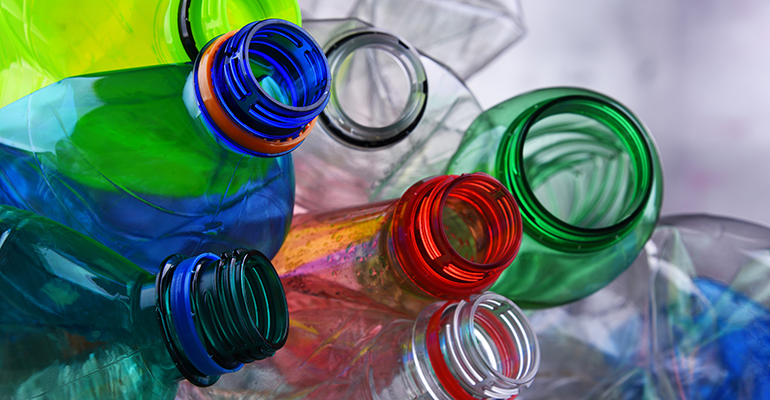
BPA, a hazardous chemical, is found in plastics and resins used in many food and beverage packaging. Unfortunately, this chemical can enter the food and beverages it comes in contact with, ultimately entering the human body and posing a significant risk to human health.
“The risks of BPA for food and beverage consumers include potential adverse effects on the immune system, fertility, hormonal systems, and skin allergies,” Francisco de Araújo Vasquez, project and policy officer at Safe Food Advocacy Europe (SAFE), told Ingredients Network.
Moreover, recent research suggests a possible link between BPA exposure and childhood obesity, indicating its role in promoting different microbial communities that may pose risks, Vasquez adds.
Research also indicates that micro- and nano-plastics have the potential to contaminate agricultural soils, irrigation water, and oceans with BPA. Living organisms can then absorb this contaminant, leading to its entry into the food chain. Implementing the Commission’s proposed ban is, therefore, crucial. The ban would protect the environment and the human food chain, essential for maintaining a healthy lifestyle, SAFE indicates.
Embracing a comprehensive approach
The R3PACK Consortium says the sector needs to take several steps regarding the ban of BPA to promote transparency and prioritise public health and the environment.
SAFE says a far-reaching approach to eliminating harmful substances such as BPAs, per- and polyfluoroalkyl substances (PFAS), and phthalates are essential. One effective way to promote safety in recycling processes is to gradually phase out these substances from primary articles and embrace circularity.
Consumers should also have access to transparent and freely available information about food and beverage products’ chemical content. Providing this information enables consumers to make informed decisions based on accurate information, promoting sustainable consumption practices, SAFE says.
The industry also needs to consider the interactions between various hazardous substances found in the environment and food to enhance the accuracy of risk analysis. Relying solely on a single-point risk analysis may not accurately assess consumer exposure to harmful substances. Therefore, SAFE calls for a multi-faceted analysis system for a more precise evaluation.
Demand for stricter rules and regulations
The European Commission (EC) recently closed a feedback period on its draft act prohibiting BPA use in FCMs across the EU.
“Stricter rules and regulations are required due to the widespread presence of BPA in consumer products and the environment, as highlighted by studies showing detectable levels of BPA in the urine of a significant percentage of Europeans,” Vasquez says.
Furthermore, SAFE says that BPA and other microplastics pose health risks and have been found in human tissue samples, arteries, and the food chain, necessitating urgent action to mitigate exposure.
 © AdobeStock/jpldesigns
The decision comes after the European Environment Agency released a study in 2023 that discovered approximately 92% of European adults have elevated levels of BPA in their bodies. These levels exceeded the maximum recommended limits the European Food Safety Agency (EFSA) set.
The EC’s initiative emerged following the EFSA opinion, which indicates a concern for human health. If adopted, the initiative will ban the use of BPA in FCMs, including plastic and coated packaging, across the EU. Along with the ban, the initiative would address using other bisphenols in FCMs to prevent the sector from replacing BPA with other harmful substances. It would also set out derogations and transitional periods that may apply to food and beverage businesses.
“Policymakers can improve the landscape by implementing bans on BPA and other harmful substances in consumer products, adopting the precautionary principle, and enforcing stricter requirements on chemicals to ensure consumer and environmental safety,” says Vasquez.
“Additionally, improving risk analysis by considering interactions between different hazardous substances and enhancing transparency in chemical management and risk analysis are essential steps,” Vasquez adds.
Responsive manufacturing approaches
If these changes are implemented, SAFE says food and beverage manufacturers will need to adapt their production processes to comply with stricter regulations. This could potentially lead to the reformulation of products or the adoption of alternative packaging materials free from BPA and other harmful substances.
“However, these changes are necessary to ensure consumer safety and promote sustainable consumption practices,” Vasquez says.
“If stricter regulations are not implemented, consumers should take proactive measures to minimise their exposure to BPA by choosing products with BPA-free packaging,” Vasquez adds. However, Vasquez says this approach requires research and cannot be easily done. Currently, packaging containing BPA is not explicitly required to be marked as such in the EU, SAFE’s project and policy officer adds.
“Avoiding heating food in plastic containers and opting for fresh or minimally processed foods whenever possible” are also vital recommendations, Vasquez says.
Additionally, staying informed about the presence of BPA and other harmful substances in consumer products can help consumers make informed choices to protect their health.

Get more of our news on Google
Set Ingredients Network as a 'Preferred Source' to get quicker access to the news you value.
Related news

Do the US dietary guidelines put UPFs under pressure?
10 Sep 2026
Will the US dietary guidelines change the way Americans eat, swapping ultra-processed foods for whole foods? We asked Dr Barry Popkin, renowned nutrition and obesity researcher.
Read more
Food fraud costs UK economy £2bn each year
9 Sep 2026
Food fraud is costing the UK economy up to £2 billion (€2.3 billion) every year although the food sector is more “resilient” than others, according to a recent study.
Read more
Skimpflation: An ‘unfair’ and risky approach to keeping prices low
2 Sep 2026
Consumers see skimpflation – reducing the quality of ingredients due to rising costs – as more unfair than shrinkflation, making it a risky strategy according to recent research.
Read more
NielsenIQ’s EU barometer shows Britain leading in grocery inflation
31 Aug 2026
Britain was the only country to record grocery inflation above 2%, according to NielsenIQ data that compared Europe’s five biggest grocery markets from February to May 2026.
Read more
‘Urgent gaps’ in achieving 2030 food system goals
27 Aug 2026
Global food systems are failing to meet 2030 targets across indicators including health, environment, and resilience, according to a report co-authored by the Food and Agriculture Organisation (FAO).
Read more
China beverages: Is herbal innovation the future?
20 Aug 2026
Herbal and botanical innovation in China's drinks market continues to grow, with ingredients like astragalus root, ginger, and ginseng in the spotlight – and focus shifting far beyond refreshment.
Read more
Popular barbecue staples experience sharp price increases
19 Aug 2026
The typical cost of US shoppers’ barbecue baskets has risen by 12% over the past year – the fastest annual rise in a decade, figures from The Economist show.
Read more
Beyond 'nice to have': A spotlight on US functional beverages
12 Aug 2026
Functional beverage interest in the US is gaining important ground as consumers now expect function rather than see it as "nice to have", and there are clear market gaps for growth, according to Spate.
Read more
Manam Chocolate aims to bring premium Indian cacao to 'the world stage'
11 Aug 2026
Craft chocolate brand Manam Chocolate is investing in local expansion and supply chain innovation throughout India as it works to build out the premium reputation of its locally produced cacao products.
Read more
Digital twin technology gains ground in food manufacturing
6 Aug 2026
Food and beverage companies are increasingly turning to digital twins to optimise and automate manufacturing processes, but opportunities stretch far beyond this, say experts.
Read more