
Ingredients Categories
Finished Products
Finished Food Categories
- Bakery
- Beverages / Juices
- Cereal and grain products
- Confectionery
- Cooking Fats & Oils
- Dairy
- Egg products
- Fruits & Vegetables
- Infant & Baby food
- Meat, Poultry & Fish
- Nuts & Seeds products
- Other Finished Food Categories
- Pet Food
- Plant-based foods
- Prepared foods
- Sauces & Seasonings
- Sweet & Savoury Spreads
Specialised Finished Products
- Bee products
- Biotic products
- Dietary supplements
- Energy drinks
- Functional beverages
- Functional confectionery
- Functional food
- Functional powders
- Meal replacement products
- Nutricosmetics
- Other Specialised Finished Products
- Pet Dietary Supplements
- Pharma and OTC products
- Protein products
- Sugar replacers / Sweeteners
Health & Wellness Areas
Delivery Formats
Operations & Services
- 3D printing
- Analysis/ Testing
- Auditing & certifications
- Blending & mixing
- Bottling
- Certification
- Clinical trials
- Co-packing
- Coating
- Consulting
- Contract manufacturing
- Drying
- Electrospinning
- Encapsulating
- Enzymatic processing
- Extracting
- Extrusion
- Fat structuring
- Fermentation
- Filling
- Flavour development
- Freeze drying
- Granulating/ grinding/ milling / mixing
- High-pressure processing
- Labelling
- Other Operations & Services
- Packaging
- Packet filling
- Pasturising
- Quality assurance
- Saccharification
- Shear cell processing
- Spray drying
- Sterilisation
- Storage & Logistics
- Tabletting
- Toasting / roasting
- Ultra-high temperature processing
News
UK publishes latest food security report
Natasha Spencer-Jolliffe, Freelance Journalist 12 Feb 2025The UK government releases its food security report 2024, detailing five core themes for bolstering and securing the future of the country’s food.
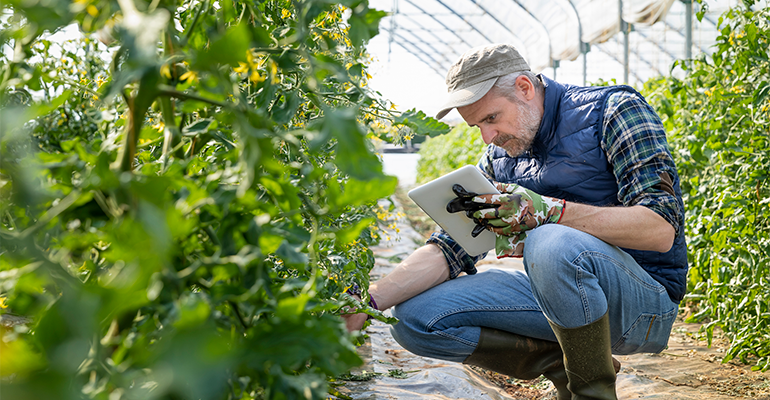
On 14 January 2025, the UK government’s food arm, the Department for Environment, Food and Rural Affairs (DEFRA), published its UK Food Security Report 2024.
The report explores past, present, and future drivers and impacts of food security and aims to provide the most relevant and up-to-date understanding of food security in the UK.
Concerns about the UK’s self-sufficiency are prominent. According to DEFRA’s 2023 data, the country is 62% self-sufficient in food. Overall, self-sufficiency has remained stable over the past 10 years. However, it has recently declined in specific sectors, such as fresh vegetables, which is at the lowest level since records started almost 40 years ago, in 1988, when it stood at 53%.
Complex issues affecting the UK food supply chain
The report recognises that at the backdrop of the UK’s food and beverage industry in the past three years, 2021-2024, is the ongoing societal handling of and recovery from the COVID-19 pandemic. Simultaneously, the UK navigated the response to Brexit, adjusting to a new relationship with the European Union (EU) and European Economic Area trade (EEA).
Russia’s invasion of Ukraine and the conflict in the Middle East have also further disrupted supply chains. Climate change also influences the food and agricultural landscape, leading to extreme weather conditions and additional food chain impacts at national and local levels.
Food security themes
The report identified five core themes that will strengthen the British food and beverage landscape and promote food security efforts in the UK.
Analysing statistical data before the report’s release, the UK’s food system continues to show stable food production growth despite geopolitical and climate events. However, the future of food security is at risk, with climate change, nature loss and water insecurity posing risks to the country’s access to food. Globally, weak productivity growth poses more obstacles to strengthening food availability. The world’s trading system has also remained stable.
However, the prevalence of undernourishment among the global population is rising. Numerous macro factors, including poverty, conflict, and climate change, have contributed to this increase, along with micro issues such as food distribution, growing commodity use and caloric efficiency. Between 2017 and 2023, the number of people undernourished worldwide increased from 541 million to 733 million.
2. Supply sources
The UK’s balance between food production and trade is largely stable. In 2023, the production-to-supply ratio was almost two-thirds (62%) for all foods and three-quarters for foods grown in the UK. This is slightly up from 2021’s figures, which were 61% and 74%.
Extreme weather conditions affect domestic food production and make navigating the landscape difficult. The UK relies extensively on global imports to meet consumer demand for fruit, vegetables, and seafood.
Looking ahead to the future of UK food production, the long-term decline in the UK’s natural capital is a potential problem for its production and, subsequently, availability of safe and sustainable food.
3. Supply chain resilience
Input costs for instrumental inputs in the food sector, such as energy and fertiliser, rose following Russia’s invasion of Ukraine in February 2022. Currently, labour shortages remain in the agri-food sector.
In 2022, UK farms were required to pay £2 billion for fertiliser costs, up from £1.5 billion in 2021, before decreasing to £1.4 billion in 2023. Prices signalled a far more volatile cost level than those displayed in the decade to 2020. Electricity and gas prices spiked between 2014 and 2020, doubling for electricity and almost tripling in gas from the middle of 2022.
In 2021, the UK saw a steep drop in import volumes of feed, food, and drink to the UK. However, these imports have increased marginally in the three years since then. The UK continues to be the UK’s largest external supplier.
The resilience of the UK’s food system is under threat. Weaknesses and points of failure within the food supply chain present risks to the industry’s resilience. Food businesses have demonstrated their robust nature and ability to recover from industry shocks.
Yet, despite this ability to bounce back, investment in the food industry remains below the levels seen before the cost disruption in 2022. On average, the total quarterly investment climbed by 5.7% in 2023 compared to 2022. However, it was 21% lower than the 2021 figures.
4. Household food security
The latest report’s results show that while most UK households remain food-secure, there are fewer food-secure households. Food secure households declined from 92% in the financial year ending (FYE) 2020 to 90% in FYE 2023.
Since 2021, the UK has witnessed increasing inflation levels in food and non-alcoholic beverages. Inflation for food and non-alcoholic drinks peaked in March 2023, reaching 19.2%. Overall inflation peaked in October 2022 at 9.6%.
Data details that most consumers fail to meet governmental dietary recommendations, with consumers from lower-income groups less likely to meet recommendations than those from the highest-income groups.
Food insecurity rates differ depending on demographics, with notable variations in levels and experiences between different income groups. For example, in FYE 2023, 84% of households with disabled people were classified as food secure, whereas this number was 10% higher, at 94%, for households without disabled people.
According to laboratory reports – except for the COVID-19 pandemic period– the presence of pathogens that can cause foodborne gastrointestinal diseases remained relatively stable from 2019 to 2023. In addition, the proportional trends in foodborne disease outbreak surveillance data display these trends, too.
Business inspection data indicates an upward trend in food business hygiene compliance. However, there is currently a bottleneck in the inspection process, with more businesses than the UK would like to see still waiting on food inspections.

Get more of our news on Google
Set Ingredients Network as a 'Preferred Source' to get quicker access to the news you value.
Related news

M&S launches own-brand pet food range
11 Sep 2026
UK retailer Marks & Spencer has launched its own-brand pet food line Paws & Pals – a well-timed and strategic move that will appeal to loyal shoppers, says a marketing expert.
Read more
Do the US dietary guidelines put UPFs under pressure?
10 Sep 2026
Will the US dietary guidelines change the way Americans eat, swapping ultra-processed foods for whole foods? We asked Dr Barry Popkin, renowned nutrition and obesity researcher.
Read more
Food fraud costs UK economy £2bn each year
9 Sep 2026
Food fraud is costing the UK economy up to £2 billion (€2.3 billion) every year although the food sector is more “resilient” than others, according to a recent study.
Read more
Health and wellness engagement matures across Middle East and Africa
4 Sep 2026
Many consumers in the Middle East and Africa are now proactively engaged in health and wellness, looking to integrate better habits and products into their daily lives, say experts.
Read more
Kellogg accelerates work to remove artificial colours from all US cereals
3 Sep 2026
WK Kellogg has announced an accelerated timeline to eliminate all artificial colours and the chemical preservative, BHT, across its full US portfolio of cereals and cereal packaging.
Read more
Skimpflation: An ‘unfair’ and risky approach to keeping prices low
2 Sep 2026
Consumers see skimpflation – reducing the quality of ingredients due to rising costs – as more unfair than shrinkflation, making it a risky strategy according to recent research.
Read more
Royal Canin launches ‘freshly-cooked’ therapeutic dog food
1 Sep 2026
Mars-owned Royal Canin has moved into the therapeutic diet sector with the launch of its Fresh Veterinary Diets range for dogs with health conditions. We asked a veterinary nutritionist for her opinion.
Read more
NielsenIQ’s EU barometer shows Britain leading in grocery inflation
31 Aug 2026
Britain was the only country to record grocery inflation above 2%, according to NielsenIQ data that compared Europe’s five biggest grocery markets from February to May 2026.
Read more
‘Urgent gaps’ in achieving 2030 food system goals
27 Aug 2026
Global food systems are failing to meet 2030 targets across indicators including health, environment, and resilience, according to a report co-authored by the Food and Agriculture Organisation (FAO).
Read more
Seven-Eleven uses microbial testing tech to extend katsudon shelf life
26 Aug 2026
Japanese retail company Seven-Eleven has improved its factory’s microbial environment to keep comfort-food staple, katsudon, fresher for longer.
Read more