
Ingredients Categories
Finished Products
Finished Food Categories
- Bakery
- Beverages / Juices
- Cereal and grain products
- Confectionery
- Cooking Fats & Oils
- Dairy
- Egg products
- Fruits & Vegetables
- Infant & Baby food
- Meat, Poultry & Fish
- Nuts & Seeds products
- Other Finished Food Categories
- Pet Food
- Plant-based foods
- Prepared foods
- Sauces & Seasonings
- Sweet & Savoury Spreads
Specialised Finished Products
- Bee products
- Biotic products
- Dietary supplements
- Energy drinks
- Functional beverages
- Functional confectionery
- Functional food
- Functional powders
- Meal replacement products
- Nutricosmetics
- Other Specialised Finished Products
- Pet Dietary Supplements
- Pharma and OTC products
- Protein products
- Sugar replacers / Sweeteners
Health & Wellness Areas
Delivery Formats
Operations & Services
- 3D printing
- Analysis/ Testing
- Auditing & certifications
- Blending & mixing
- Bottling
- Certification
- Clinical trials
- Co-packing
- Coating
- Consulting
- Contract manufacturing
- Drying
- Electrospinning
- Encapsulating
- Enzymatic processing
- Extracting
- Extrusion
- Fat structuring
- Fermentation
- Filling
- Flavour development
- Freeze drying
- Granulating/ grinding/ milling / mixing
- High-pressure processing
- Labelling
- Other Operations & Services
- Packaging
- Packet filling
- Pasturising
- Quality assurance
- Saccharification
- Shear cell processing
- Spray drying
- Sterilisation
- Storage & Logistics
- Tabletting
- Toasting / roasting
- Ultra-high temperature processing
News
Ultra-processed foods are the top concern among US consumers, study reveals
Natasha Spencer-Jolliffe, Freelance Journalist 15 Apr 2024New data from HealthFocus International shows that ultra-processed foods (UPFs) are the number one food concern for US consumers, ahead of saturated fats and sugar.
The latest insights from HealthFocus’ Global Trends 2024 survey reveal that ultra-processed foods (UPFs) are the leading worry among food and beverage consumers in the US.
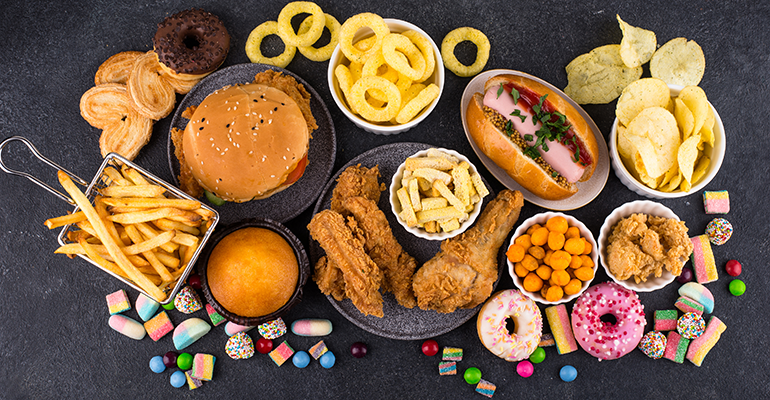
In March 2024, the Wall Street Journal highlighted new research linking UPFs to adverse effects on brain function and mood, claiming these popular foods, which include chips, cookies, and some cereals, can act like addictive substances.
Growing unease and in-depth enquiries
“While manufacturers believe many of their highly processed foods can be both convenient and healthy, consumers are worried about them,” HealthFocus says.
Consumer attitudes company HealthFocus conducts its Global Trend Study every two years, covering more than 20 countries. Its latest soon-to-be-published 2024 iteration features 25 markets worldwide. “New in this wave is this question about concern for UPFs, which has gained attention recently, as well as more in-depth inquiries around snacks and beverages,” Julie Johnson, president at HealthFocus International, told Ingredients Network.
HealthFocus is currently riding the 2024 consumer trends wave, collecting responses, and analysing them to understand their key findings. “Millions of responses have made their way to us over the past weeks, and a few million more are on their way in,” says Johnson.
Back in 2022, the seeds of discontent with UPFs were already being sown when HealthFocus’ Global Trends survey identified ‘A New World of Snacking’ as a leading trend. The definition of snacks and the rules around snacking were shifting. ‘Snacks’ were no longer viewed as junk food but as part of consumers’ everyday, healthy eating habits. In the survey, over half (52%) of global consumers said they believed eating several healthy snacks was as good as or better than three meals a day.
When asked what the leading purchase drivers for snacks were, three out of the top five answers referenced health. Snacks with healthier ingredients such as fibre and vegetables, those that confer a health benefit, and those with fewer perceived negatives such as fat, calories, and sugar resonated with consumers.
Clean eating was also prominent, with natural snacks and those fortified or enriched with vitamins and minerals making up the remainder of the top five attributes consumers want when buying snacks. HealthFocus' Global Trends survey found that the healthier-for-you snacking trend was led by a mindset popular with younger consumers and parents with children living at home.
Examining UPFs
For decades, “processed” has had a negative connotation. “Yet, consumers are becoming savvier about differentiating variations in—or the extent of—what ‘processed’ means,” says Johnson.
HealthFocus’ research shows that 55% of US consumers think processed foods can be made healthier. They recognise that while a three-ingredient cracker and can of precooked beans are ‘processed’ they may still fit into a healthy lifestyle, Johnson says. Thus, indicating consumers’ evolving UPF understanding.
 © iStock/kali9
“In addition, manufacturers have responded to consumer interest in healthful ingredients, adding desirable or attractive ingredients to their processed offerings,” says Johnson. Formulation updates invite consumers to continue to look for better-for-you options.
Once food shoppers see a major brand adding beneficial nutrients or eliminating ingredients deemed problematic, they start to consider these adjustments when looking at other options available on the market.
“What we’re seeing with the term ‘UPF’ is a shift,” Johnson says. “Now, the term ‘UPF’ relays a more nuanced, divergent category that doesn’t include these healthier but still processed products.”
“So, in reality, the concern may be at the same level but is now channelled toward fewer individual processed foods, namely those that consumers don’t accept as a regular part of an overall healthy diet,” Johnson says.
The future for processed food manufacturers
While staple favourites in the processed food space will surely remain popular with consumers due to taste, tradition, and nostalgia, new products might have to work harder. “Or maybe they already are,” says Johnson.
According to new HealthFocus responses, 57% of US consumers say their diet has improved over the last year, as they report eating healthier than they used to. “Results may be due to consumers changing their choices on a broad scale to healthier options,” Johnson says.
“It could also be as simple as a diet that includes products that have eliminated undesirable ingredients or added “better” ingredients, such as whole grains, organic, and added vitamins, minerals, and antioxidants,” Johnson adds.
Shaping consumer attitudes in the UPF scene
While HealthFocus acknowledges that junk food has always had its role, it relays how, previously, consumers overlooked the negatives because these foods were a small part of their diet.
“Now, the lines between snacks and meals have blurred, and UPF is a standard in the average American’s diet, prompting consumers to approach processed foods and beverages with more scrutiny,” Johnson says.
The food sector has seen “innumerable examples of manufacturers adding desirable ingredients”, Johnson says, of whole grains, adaptogens, and antioxidants to their processed foods. The aim is to help consumers feel better about these options.
“We’re anticipating manufacturers will continue to respond to consumer interest by including better ingredients in the products consumers rely on for their convenience,” adds Johnson.

Get more of our news on Google
Set Ingredients Network as a 'Preferred Source' to get quicker access to the news you value.
Related news

Do the US dietary guidelines put UPFs under pressure?
10 Sep 2026
Will the US dietary guidelines change the way Americans eat, swapping ultra-processed foods for whole foods? We asked Dr Barry Popkin, renowned nutrition and obesity researcher.
Read more
Food fraud costs UK economy £2bn each year
9 Sep 2026
Food fraud is costing the UK economy up to £2 billion (€2.3 billion) every year although the food sector is more “resilient” than others, according to a recent study.
Read more
Kellogg accelerates work to remove artificial colours from all US cereals
3 Sep 2026
WK Kellogg has announced an accelerated timeline to eliminate all artificial colours and the chemical preservative, BHT, across its full US portfolio of cereals and cereal packaging.
Read more
Skimpflation: An ‘unfair’ and risky approach to keeping prices low
2 Sep 2026
Consumers see skimpflation – reducing the quality of ingredients due to rising costs – as more unfair than shrinkflation, making it a risky strategy according to recent research.
Read more
NielsenIQ’s EU barometer shows Britain leading in grocery inflation
31 Aug 2026
Britain was the only country to record grocery inflation above 2%, according to NielsenIQ data that compared Europe’s five biggest grocery markets from February to May 2026.
Read more
‘Urgent gaps’ in achieving 2030 food system goals
27 Aug 2026
Global food systems are failing to meet 2030 targets across indicators including health, environment, and resilience, according to a report co-authored by the Food and Agriculture Organisation (FAO).
Read more
Chimac’s fusion sauces bring Korean flavours to Europe
25 Aug 2026
Irish sauce brand Chimac is tapping into Korea’s culinary traditions, bringing its flavours and products to European consumers who want a taste of K-food.
Read more
Global demand for instant noodles continues to rise
24 Aug 2026
Global demand for instant noodles reached 124.21 billion servings last year, representing a 0.7% year-on-year increase – or 900 million extra servings.
Read more
Popular barbecue staples experience sharp price increases
19 Aug 2026
The typical cost of US shoppers’ barbecue baskets has risen by 12% over the past year – the fastest annual rise in a decade, figures from The Economist show.
Read more
Hot NPD: Nissin launches first cold-water Cup Noodles
18 Aug 2026
Nissin is taking one of Japan’s most iconic instant meals in a completely new direction with the launch of the first cold water-only Cup Noodles in the brand’s 55-year history.
Read more