
Ingredients Categories
Finished Products
Finished Food Categories
- Bakery
- Beverages / Juices
- Cereal and grain products
- Confectionery
- Cooking Fats & Oils
- Dairy
- Egg products
- Fruits & Vegetables
- Infant & Baby food
- Meat, Poultry & Fish
- Nuts & Seeds products
- Other Finished Food Categories
- Pet Food
- Plant-based foods
- Prepared foods
- Sauces & Seasonings
- Sweet & Savoury Spreads
Specialised Finished Products
- Bee products
- Biotic products
- Dietary supplements
- Energy drinks
- Functional beverages
- Functional confectionery
- Functional food
- Functional powders
- Meal replacement products
- Nutricosmetics
- Other Specialised Finished Products
- Pet Dietary Supplements
- Pharma and OTC products
- Protein products
- Sugar replacers / Sweeteners
Health & Wellness Areas
Delivery Formats
Operations & Services
- 3D printing
- Analysis/ Testing
- Auditing & certifications
- Blending & mixing
- Bottling
- Certification
- Clinical trials
- Co-packing
- Coating
- Consulting
- Contract manufacturing
- Drying
- Electrospinning
- Encapsulating
- Enzymatic processing
- Extracting
- Extrusion
- Fat structuring
- Fermentation
- Filling
- Flavour development
- Freeze drying
- Granulating/ grinding/ milling / mixing
- High-pressure processing
- Labelling
- Other Operations & Services
- Packaging
- Packet filling
- Pasturising
- Quality assurance
- Saccharification
- Shear cell processing
- Spray drying
- Sterilisation
- Storage & Logistics
- Tabletting
- Toasting / roasting
- Ultra-high temperature processing
News
Vgarden launches tinned tuna made from pea protein
26 Jan 2023
Israeli plant-based company Vgarden has recently launched vegan tinned tuna made from pea protein, sunflower oil, and nutritional fibers amidst the rise of sustainably conscious consumers.
Tuna is one of the most widely consumed fish globally with over seven million metric tons of tuna and tuna-like species harvested yearly. Tinned tuna, considered a staple cupboard food in the West, inspired the creation of Vgarden’s “tuna-like” product called vegan tuna. It is clean-label and sustainable with the same appearance, texture, and flavour as tuna fish, says the company’s CEO, Ilan Adut.
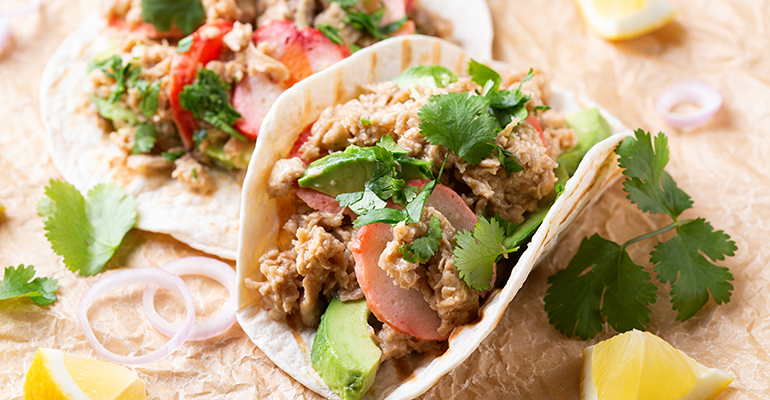
“Tinned tuna has a very distinct flaky, yet moist and chewy texture, with a powerful fresh-from-the sea aroma,” explains Adut. “[…] But for our plant-based creation to serve as a true substitute, even beyond compellingly mimicking all of the sensory qualities, it also has to match tuna as much as possible in nutritional value.”
Protein from peas
Vgarden’s vegan tuna is made from pea protein, water, sunflower oil, nutritional fibers (cellulose), and natural flavourings. The total protein content per 100 g is between 11.2 and 14% and the formulation is free from ocean pollutants such as toxic metals and microplastics. It is available in two formats: pouches for chilled storage and tins for non-chilled storage.
Vgarden has developed a plant-based tuna that can be tinned and sterilised at high temperatures but retains flavour, taste, and texture. After 12 months of experimentation with various ingredients and processes the company settled on the current formulation, for which a patent has been filed.
The growing popularity of tinned tuna worldwide lies in its relatively low cost and convenience as a source of protein that requires no refrigeration.
Sustainable and healthy plant-based fish
A rise in health-conscious consumers seeking nutritious as well as sustainable plant-based products that taste like meat, seafood, and fish is creating a gap in the market for alternative food businesses. Spanish-Danish startup Mimic Seafood is another sustainable, vegan alternative brand using ingredients such as tomatoes, olive oil, and algae to replicate the taste and texture of fish.
Overfishing of tuna has reduced numbers of tuna fish, leaving some species such as Yellow Fin and Atlantic Bluefin almost extinct according to Tom Rothman, head of global sales at Vgarden.
“This not only poses problems in terms of food security but also negatively impacts the delicate and fragile balance of the marine environment. Our plant-based tuna solution can help turn the tide on this ecocatastrophe and contribute to the restoration of the ocean’s wild tuna populations,” says Rothman.
Without traditional fish production and a manufacturing process that uses minimal energy and consumption, Vgarden’s vegan tuna offers a sustainable alternative, Adut says. At present, Vgarden’s vegan tuna is only available in Israel but is expected to launch in Europe and US retail markets this year. With growing demand for plant-based tuna, Vgarden is expecting to also expand its reach to Asia-Pacific and Australia.

Get more of our news on Google
Set Ingredients Network as a 'Preferred Source' to get quicker access to the news you value.
Related news

Kellogg accelerates work to remove artificial colours from all US cereals
3 Sep 2026
WK Kellogg has announced an accelerated timeline to eliminate all artificial colours and the chemical preservative, BHT, across its full US portfolio of cereals and cereal packaging.
Read more
Skimpflation: An ‘unfair’ and risky approach to keeping prices low
2 Sep 2026
Consumers see skimpflation – reducing the quality of ingredients due to rising costs – as more unfair than shrinkflation, making it a risky strategy according to recent research.
Read more
‘Urgent gaps’ in achieving 2030 food system goals
27 Aug 2026
Global food systems are failing to meet 2030 targets across indicators including health, environment, and resilience, according to a report co-authored by the Food and Agriculture Organisation (FAO).
Read more
Seven-Eleven uses microbial testing tech to extend katsudon shelf life
26 Aug 2026
Japanese retail company Seven-Eleven has improved its factory’s microbial environment to keep comfort-food staple, katsudon, fresher for longer.
Read more
Chimac’s fusion sauces bring Korean flavours to Europe
25 Aug 2026
Irish sauce brand Chimac is tapping into Korea’s culinary traditions, bringing its flavours and products to European consumers who want a taste of K-food.
Read more
Global demand for instant noodles continues to rise
24 Aug 2026
Global demand for instant noodles reached 124.21 billion servings last year, representing a 0.7% year-on-year increase – or 900 million extra servings.
Read more
China beverages: Is herbal innovation the future?
20 Aug 2026
Herbal and botanical innovation in China's drinks market continues to grow, with ingredients like astragalus root, ginger, and ginseng in the spotlight – and focus shifting far beyond refreshment.
Read more
Popular barbecue staples experience sharp price increases
19 Aug 2026
The typical cost of US shoppers’ barbecue baskets has risen by 12% over the past year – the fastest annual rise in a decade, figures from The Economist show.
Read more
Hot NPD: Nissin launches first cold-water Cup Noodles
18 Aug 2026
Nissin is taking one of Japan’s most iconic instant meals in a completely new direction with the launch of the first cold water-only Cup Noodles in the brand’s 55-year history.
Read more
Beyond 'nice to have': A spotlight on US functional beverages
12 Aug 2026
Functional beverage interest in the US is gaining important ground as consumers now expect function rather than see it as "nice to have", and there are clear market gaps for growth, according to Spate.
Read more