
Ingredients Categories
Finished Products
Finished Food Categories
- Bakery
- Beverages / Juices
- Cereal and grain products
- Confectionery
- Cooking Fats & Oils
- Dairy
- Egg products
- Fruits & Vegetables
- Infant & Baby food
- Meat, Poultry & Fish
- Nuts & Seeds products
- Other Finished Food Categories
- Pet Food
- Plant-based foods
- Prepared foods
- Sauces & Seasonings
- Sweet & Savoury Spreads
Specialised Finished Products
- Bee products
- Biotic products
- Dietary supplements
- Energy drinks
- Functional beverages
- Functional confectionery
- Functional food
- Functional powders
- Meal replacement products
- Nutricosmetics
- Other Specialised Finished Products
- Pet Dietary Supplements
- Pharma and OTC products
- Protein products
- Sugar replacers / Sweeteners
Health & Wellness Areas
Delivery Formats
Operations & Services
- 3D printing
- Analysis/ Testing
- Auditing & certifications
- Blending & mixing
- Bottling
- Certification
- Clinical trials
- Co-packing
- Coating
- Consulting
- Contract manufacturing
- Drying
- Electrospinning
- Encapsulating
- Enzymatic processing
- Extracting
- Extrusion
- Fat structuring
- Fermentation
- Filling
- Flavour development
- Freeze drying
- Granulating/ grinding/ milling / mixing
- High-pressure processing
- Labelling
- Other Operations & Services
- Packaging
- Packet filling
- Pasturising
- Quality assurance
- Saccharification
- Shear cell processing
- Spray drying
- Sterilisation
- Storage & Logistics
- Tabletting
- Toasting / roasting
- Ultra-high temperature processing
News
Analysis: Can the UK’s new healthy food rules work?
David Burrows, Freelance Journalist 31 Jul 2025Industry insiders are hailing the UK’s new healthy food rules as “the next big moment” in food policy. But how will they work in practice – and will they have any impact on the worst offenders?
Earlier this month, the UK Government announced that it would introduce a “healthy food standard” for large food businesses.

The first part of the policy will require companies to start reporting on healthy food sales. A target will then be set to ensure the average shopping basket contains more healthy options than it does today.
“Here comes the next big moment in food policy,” said Ali Morpeth, registered public health nutritionist and cofounder of the Planeatry Alliance, a consultancy focused on food systems change. “It’s a big win for policy, health-forward business[es], and public health.”
Healthy food sales reporting to be mandatory by 2029
The policy was initially developed by Nesta, an innovation agency, with support from the consumer group Which? In a report, Nesta set out how a system of mandatory targets could work, initially focusing on supermarkets because they have such an impact on what people buy and eat; more than 80% of calorie intake comes from supermarkets.
In its recommendations, Nesta said that a mandatory system of health targets should require the UK's largest supermarket chains to prioritise healthier food options and meet an industry-wide health target – but give each business the freedom to choose its own measures to hit the target.
Probable tactics include tweaking recipes to reduce sugar, offering promotions on healthier options, and using online or store layouts to encourage the sale of healthier products.
Some companies are already disclosing their sales of food high in fat, salt, and sugar (HFSS), and have a sales-based target in place for healthy food, according to a report by The Food Foundation charity.
These include Aldi, Lidl, M&S, Ocado, Sainsbury’s, Tesco, and Waitrose, as well as the food manufacturers Nestlé, Nomad Foods (the owner of Birds Eye), and Premier Foods (owner of Mr Kipling, Ambrosia, and other well-known brands).
Caterers supplying schools and hospitals, like Compass, Aramark, and Sodexo, are not yet doing this, according to the report. Neither are fast food chains like Domino’s, Burger King, McDonald’s, or KFC.
Reporting is due to be mandatory by the end of this Parliament in 2029. Whether this will extend to large fast food chains and catering companies supplying schools and hospitals is unclear.
Expect there to be heated debate, as manufacturers and supermarkets have long felt foodservice and hospitality companies have ducked regulations or failed to fully commit to voluntary industry-led agreements on healthier food.
Sarah Woolnough, chief executive at The King's Fund, an independent think tank working to improve health and care across England, highlighted the quantities of less healthy food and drink bought from convenience stores and takeaways, which may fall outside the scope of the new reporting rules, targets, and standard.
Substantial shift on the shelves
The news marks a significant shift. As academics writing for the journal Nature Food wrote, grocery stores and restaurants are flooded with “a dizzying number of creative energy-dense food products with minimal nutritional value. These products not only leverage people’s instinctive preferences for sugar, salt and fat, but are also designed to be quickly consumed and digested”.
Bite Back, a youth-led activist movement focused on changing the way food is made, marketed, and sold, highlighted that adverts for unhealthy food are everywhere and children are the ones most affected – including in supermarkets.
Companies have been “really clever” in making unhealthy products the affordable and accessible ones, explained Rory Gibson, senior brand manager at the organisation.
“Now they need to use that genius to make healthier products the default,” he told Ingredients Network.
Other regulations set to come into force will help.
“We will restrict junk food advertising targeted at children, ban the sale of high-caffeine energy drinks to under 16-year-olds, [and] reform the soft drinks industry levy to drive reformulation,” the Government said in its health plan for England.
The advertising bans have been delayed four times across four different governments but are expected to come into force in January 2026.
“That’s an easy win,” said Gibson, who is also among those pushing for the “successful” tax on sugar-sweetened drinks to be extended.
Movement from manufacturers brings momentum
Food manufacturers and retailers have begun to make the right noises regarding regulations that could upset this status quo.
“We all read the facts,” said James Mayer, president at Danone UK&I, earlier this year. “We need a new mission [...] healthier food at scale.”
Birds Eye owner Nomad Foods and Tesco have been vocal supporters of mandatory reporting. The Food and Drink Federation (FDF), which represents manufacturers in the UK, changed its mind on the policy in June, coming out in support of mandatory reporting.
“Bold, co-ordinated action is needed to improve the health of our nation,” wrote chief executive Karen Betts in an article for The Grocer.
The FDF and other industry representatives will all have a major say in what the health reporting rules look like, not to mention the targets being set. This makes some campaigners uneasy given previous agreements have fallen flat.
The Government said it was working with food retailers to “make the healthy choice the easy choice” to help tackle the obesity epidemic.
In the press statement, ministers referred to “brilliant” supermarkets, while retailer representatives welcomed their involvement in the new rules.
There is certainly a sense that this is policy by partnership, but profits will always cast a shadow over truly progressive plans.
Such announcements must always be taken with a pinch of salt but there is no doubting that this has given healthy food policy a much-needed shot in the arm.

Get more of our news on Google
Set Ingredients Network as a 'Preferred Source' to get quicker access to the news you value.
Related news

Do the US dietary guidelines put UPFs under pressure?
10 Sep 2026
Will the US dietary guidelines change the way Americans eat, swapping ultra-processed foods for whole foods? We asked Dr Barry Popkin, renowned nutrition and obesity researcher.
Read more
Food fraud costs UK economy £2bn each year
9 Sep 2026
Food fraud is costing the UK economy up to £2 billion (€2.3 billion) every year although the food sector is more “resilient” than others, according to a recent study.
Read more
Kellogg accelerates work to remove artificial colours from all US cereals
3 Sep 2026
WK Kellogg has announced an accelerated timeline to eliminate all artificial colours and the chemical preservative, BHT, across its full US portfolio of cereals and cereal packaging.
Read more
Skimpflation: An ‘unfair’ and risky approach to keeping prices low
2 Sep 2026
Consumers see skimpflation – reducing the quality of ingredients due to rising costs – as more unfair than shrinkflation, making it a risky strategy according to recent research.
Read more
NielsenIQ’s EU barometer shows Britain leading in grocery inflation
31 Aug 2026
Britain was the only country to record grocery inflation above 2%, according to NielsenIQ data that compared Europe’s five biggest grocery markets from February to May 2026.
Read more
‘Urgent gaps’ in achieving 2030 food system goals
27 Aug 2026
Global food systems are failing to meet 2030 targets across indicators including health, environment, and resilience, according to a report co-authored by the Food and Agriculture Organisation (FAO).
Read more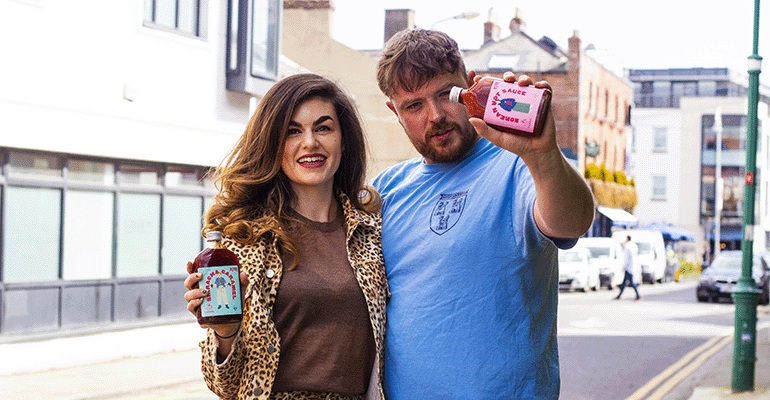
Chimac’s fusion sauces bring Korean flavours to Europe
25 Aug 2026
Irish sauce brand Chimac is tapping into Korea’s culinary traditions, bringing its flavours and products to European consumers who want a taste of K-food.
Read more
Global demand for instant noodles continues to rise
24 Aug 2026
Global demand for instant noodles reached 124.21 billion servings last year, representing a 0.7% year-on-year increase – or 900 million extra servings.
Read more
Popular barbecue staples experience sharp price increases
19 Aug 2026
The typical cost of US shoppers’ barbecue baskets has risen by 12% over the past year – the fastest annual rise in a decade, figures from The Economist show.
Read more
Hot NPD: Nissin launches first cold-water Cup Noodles
18 Aug 2026
Nissin is taking one of Japan’s most iconic instant meals in a completely new direction with the launch of the first cold water-only Cup Noodles in the brand’s 55-year history.
Read more