
Ingredients Categories
Finished Products
Finished Food Categories
- Bakery
- Beverages / Juices
- Cereal and grain products
- Confectionery
- Cooking Fats & Oils
- Dairy
- Egg products
- Fruits & Vegetables
- Infant & Baby food
- Meat, Poultry & Fish
- Nuts & Seeds products
- Other Finished Food Categories
- Pet Food
- Plant-based foods
- Prepared foods
- Sauces & Seasonings
- Sweet & Savoury Spreads
Specialised Finished Products
- Bee products
- Biotic products
- Dietary supplements
- Energy drinks
- Functional beverages
- Functional confectionery
- Functional food
- Functional powders
- Meal replacement products
- Nutricosmetics
- Other Specialised Finished Products
- Pet Dietary Supplements
- Pharma and OTC products
- Protein products
- Sugar replacers / Sweeteners
Health & Wellness Areas
Delivery Formats
Operations & Services
- 3D printing
- Analysis/ Testing
- Auditing & certifications
- Blending & mixing
- Bottling
- Certification
- Clinical trials
- Co-packing
- Coating
- Consulting
- Contract manufacturing
- Drying
- Electrospinning
- Encapsulating
- Enzymatic processing
- Extracting
- Extrusion
- Fat structuring
- Fermentation
- Filling
- Flavour development
- Freeze drying
- Granulating/ grinding/ milling / mixing
- High-pressure processing
- Labelling
- Other Operations & Services
- Packaging
- Packet filling
- Pasturising
- Quality assurance
- Saccharification
- Shear cell processing
- Spray drying
- Sterilisation
- Storage & Logistics
- Tabletting
- Toasting / roasting
- Ultra-high temperature processing
News
Functional mushroom products flourish in the US
Robyn Lawrence 15 Jul 2024From lion’s mane to reishi, functional mushroom supplements and fortified food and drink products are gaining in popularity among young US consumers, according to Nutrition Business Journal data.
Mushrooms’ popularity bloomed during the pandemic like fruiting bodies after a rainstorm. Four years later, that flush shows no signs of stopping, as functional fungi sprout social media cred for helping with a growing number of trending conditions, including digestive health, mood and mental health, sports performance, healthy ageing, and, of course, immunity. (Next step: science to back up the claims attached to those hashtags.)
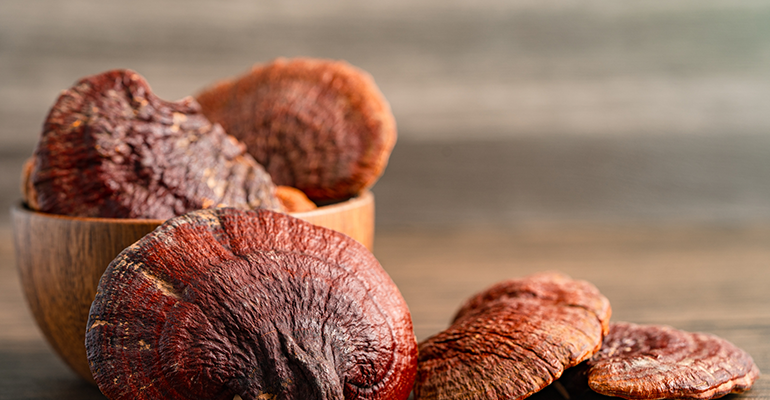
According to the recently released Nutrition Business Journal Mushroom Market Report, more than a quarter of US consumers take functional mushroom supplements, and 37% eat or drink functional food and beverages made from functional mushrooms. Driven largely by younger consumers, mushroom supplement sales have more than tripled since 2019, and NBJ projects they will continue to grow at a steady clip for the next several years.
With protein shakes and beverages leading the way, US sales of mushroom-enhanced functional food and beverage were more than $700 million in 2023—over three times those of supplements.
The Mushroom Market Report takes a look at the conditions where mushrooms are popping up as popular treatments, through both NBJ’s market sizing model and consumer survey data. The vast majority of consumers are turning to functional mushrooms to boost their immunity, with reishi and lion’s mane getting a lot of attention.
Lion’s mane is also leading the pride when it comes to treating mood and mental health issues, a category expected to see strong growth for the next several years.
No report about the mushroom market would be complete without a good look at psilocybin, a key driver of popular interest in mushrooms since researchers at the Johns Hopkins Center for Psychedelic and Consciousness Research started studying magic mushrooms as a treatment for a range of psychiatric and behavioural disorders, from treatment-resistant depression to substance abuse.
Psilocybin is now a multibillion-dollar industry—even as the DEA continues to classify it as a Schedule 1 drug—and the Mushroom Market Report includes some fascinating insights and longitudinal survey data spotlighting how and why consumers are using it.
See more mushroom market data and insights in the new Nutrition Business Journal Mushroom Market Report.

Get more of our news on Google
Set Ingredients Network as a 'Preferred Source' to get quicker access to the news you value.
Related news

Do the US dietary guidelines put UPFs under pressure?
10 Sep 2026
Will the US dietary guidelines change the way Americans eat, swapping ultra-processed foods for whole foods? We asked Dr Barry Popkin, renowned nutrition and obesity researcher.
Read more
Food fraud costs UK economy £2bn each year
9 Sep 2026
Food fraud is costing the UK economy up to £2 billion (€2.3 billion) every year although the food sector is more “resilient” than others, according to a recent study.
Read more
Skimpflation: An ‘unfair’ and risky approach to keeping prices low
2 Sep 2026
Consumers see skimpflation – reducing the quality of ingredients due to rising costs – as more unfair than shrinkflation, making it a risky strategy according to recent research.
Read more
NielsenIQ’s EU barometer shows Britain leading in grocery inflation
31 Aug 2026
Britain was the only country to record grocery inflation above 2%, according to NielsenIQ data that compared Europe’s five biggest grocery markets from February to May 2026.
Read more
‘Urgent gaps’ in achieving 2030 food system goals
27 Aug 2026
Global food systems are failing to meet 2030 targets across indicators including health, environment, and resilience, according to a report co-authored by the Food and Agriculture Organisation (FAO).
Read more
China beverages: Is herbal innovation the future?
20 Aug 2026
Herbal and botanical innovation in China's drinks market continues to grow, with ingredients like astragalus root, ginger, and ginseng in the spotlight – and focus shifting far beyond refreshment.
Read more
Popular barbecue staples experience sharp price increases
19 Aug 2026
The typical cost of US shoppers’ barbecue baskets has risen by 12% over the past year – the fastest annual rise in a decade, figures from The Economist show.
Read more
Beyond 'nice to have': A spotlight on US functional beverages
12 Aug 2026
Functional beverage interest in the US is gaining important ground as consumers now expect function rather than see it as "nice to have", and there are clear market gaps for growth, according to Spate.
Read more
Manam Chocolate aims to bring premium Indian cacao to 'the world stage'
11 Aug 2026
Craft chocolate brand Manam Chocolate is investing in local expansion and supply chain innovation throughout India as it works to build out the premium reputation of its locally produced cacao products.
Read more
Digital twin technology gains ground in food manufacturing
6 Aug 2026
Food and beverage companies are increasingly turning to digital twins to optimise and automate manufacturing processes, but opportunities stretch far beyond this, say experts.
Read more