
Ingredients Categories
Finished Products
Finished Food Categories
- Bakery
- Beverages / Juices
- Cereal and grain products
- Confectionery
- Cooking Fats & Oils
- Dairy
- Egg products
- Fruits & Vegetables
- Infant & Baby food
- Meat, Poultry & Fish
- Nuts & Seeds products
- Other Finished Food Categories
- Pet Food
- Plant-based foods
- Prepared foods
- Sauces & Seasonings
- Sweet & Savoury Spreads
Specialised Finished Products
- Bee products
- Biotic products
- Dietary supplements
- Energy drinks
- Functional beverages
- Functional confectionery
- Functional food
- Functional powders
- Meal replacement products
- Nutricosmetics
- Other Specialised Finished Products
- Pet Dietary Supplements
- Pharma and OTC products
- Protein products
- Sugar replacers / Sweeteners
Health & Wellness Areas
Delivery Formats
Operations & Services
- 3D printing
- Analysis/ Testing
- Auditing & certifications
- Blending & mixing
- Bottling
- Certification
- Clinical trials
- Co-packing
- Coating
- Consulting
- Contract manufacturing
- Drying
- Electrospinning
- Encapsulating
- Enzymatic processing
- Extracting
- Extrusion
- Fat structuring
- Fermentation
- Filling
- Flavour development
- Freeze drying
- Granulating/ grinding/ milling / mixing
- High-pressure processing
- Labelling
- Other Operations & Services
- Packaging
- Packet filling
- Pasturising
- Quality assurance
- Saccharification
- Shear cell processing
- Spray drying
- Sterilisation
- Storage & Logistics
- Tabletting
- Toasting / roasting
- Ultra-high temperature processing
News
Major Belgian retailers promise standardised, reusable packaging at scale
David Burrows, Freelance Journalist 16 Jan 2025Albert Heijn, Aldi, Carrefour, Colruyt, Delhaize, and Lidl have launched a new reusable packaging coalition that aims to accelerate the use of reusable packaging, starting with mushrooms.
The group, which includes Albert Heijn, Aldi, Carrefour, Colruyt, Delhaize and Lidl, will start with a trial in their fresh produce aisles – specifically on mushrooms from the Mechelen region.
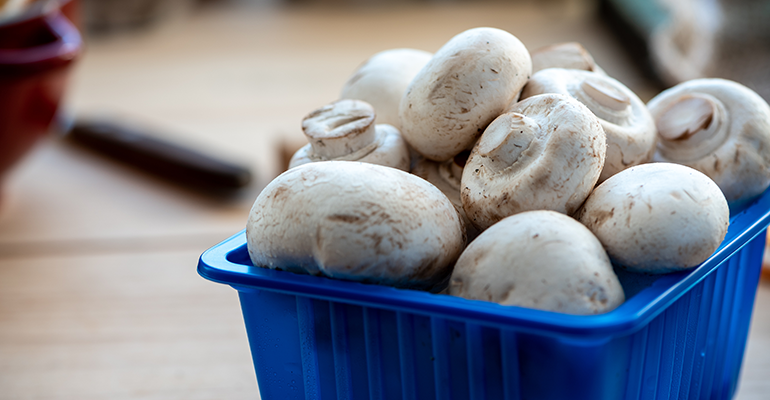
By the middle of 2025, shoppers will be able to buy their mushrooms in a reusable container, which will then be industrially washed and refilled by the producer. The project, which will see the containers used multiple times, involves close collaboration between suppliers and supermarkets.
“The retail sector has made significant efforts to make packaging more sustainable by making it more recyclable and preventing excess packaging,” explained Henriane Gilliot, environmental project manager at Comeos, the Belgian confederation for commerce and services. “The next big step we can make as a sector is the shift to reusable packaging.”
The shift from single-use packaging
The packaged food sector relies heavily on single-use packaging, made from materials including plastic, paper, glass, aluminium, as well as some novel materials made from plants, algae, and agricultural waste.
However, new regulations within the European Union (EU) are expected to reduce volumes of single-use and encourage more reusable formats.
The Packaging and Packaging Waste Regulation (PPWR) was given its final stamp of approval on 16 December 2024. Companies will have to minimise the weight and volume of the packaging they use, and ensure substances of concern, including chemicals like PFAS, are below certain thresholds.
PPWR also includes a ban on single-use plastic packaging for fruits and vegetables under one and a half kilograms. The new Belgian coalition is therefore focusing on fresh produce for its initial trials.
The new system “does not compromise shelf life and food safety” and the packaging is still being “fine-tuned”, according to Elke Gijsbrechts, Colruyt Group’s expert in sustainable products. Pack4Food, a consortium of food and packaging companies, is in charge of ensuring food safety standards are met.
Will the Belgian scheme lead to reuse mushrooming across Europe?
Reusable packaging company Dizzie, which provides a pooled packaging solution for three major retailers in the UK, said that for reuse to work at scale there needs to be a “viable commercial model […] that allows specialists to perform specific roles in the cycle”. Such specialisation “creates a focus on driving down costs by maximising efficiencies – one business cannot have the scale/capital/expertise to do it all competing against established and highly efficient specialists in a £200 billion single-use dominated market”.
Indeed, look beyond the retailers involved in the Belgian trial and there are a host of others involved in making this work. Packaging company deSter is designing the mushroom baskets while Mivas is running the washing and sanitising process and Kingslive Pizza is looking after logistics.
Colruyt’s Gijsbrechts, who will be sharing experiences with other countries, said this is “more than imitative; it’s a movement”.
Backed by consumers – despite concerns over cleanliness
Research has shown that European consumers like the environmental benefits of reuse but are concerned about cleanliness and return logistics.
In a recent study, published in the journal, Business Strategy and the Environment, Esther Noëth from the University of Antwerp, Belgium, and her co-authors looked at reusable retail packaging for 40 food product categories.
They found support for reusable food packaging mainly among younger and environmentally conscious customers, and the most promising categories include eggs, dry foods and breads. Interest in reusable food packaging is currently low for frozen food products, even among environmentally conscious customers.
For fresh food the biggest barrier is hygiene, the researchers found. However, their results “suggest that high interest customer groups have other perspectives on hygiene as a disqualifier for reusable food packaging. Therefore, this customer group may be pivotal to share experiences as early adopters and showcase the feasibility of reusable alternatives”.

Get more of our news on Google
Set Ingredients Network as a 'Preferred Source' to get quicker access to the news you value.
Related news

Do the US dietary guidelines put UPFs under pressure?
10 Sep 2026
Will the US dietary guidelines change the way Americans eat, swapping ultra-processed foods for whole foods? We asked Dr Barry Popkin, renowned nutrition and obesity researcher.
Read more
Food fraud costs UK economy £2bn each year
9 Sep 2026
Food fraud is costing the UK economy up to £2 billion (€2.3 billion) every year although the food sector is more “resilient” than others, according to a recent study.
Read more
Kellogg accelerates work to remove artificial colours from all US cereals
3 Sep 2026
WK Kellogg has announced an accelerated timeline to eliminate all artificial colours and the chemical preservative, BHT, across its full US portfolio of cereals and cereal packaging.
Read more
Skimpflation: An ‘unfair’ and risky approach to keeping prices low
2 Sep 2026
Consumers see skimpflation – reducing the quality of ingredients due to rising costs – as more unfair than shrinkflation, making it a risky strategy according to recent research.
Read more
NielsenIQ’s EU barometer shows Britain leading in grocery inflation
31 Aug 2026
Britain was the only country to record grocery inflation above 2%, according to NielsenIQ data that compared Europe’s five biggest grocery markets from February to May 2026.
Read more
‘Urgent gaps’ in achieving 2030 food system goals
27 Aug 2026
Global food systems are failing to meet 2030 targets across indicators including health, environment, and resilience, according to a report co-authored by the Food and Agriculture Organisation (FAO).
Read more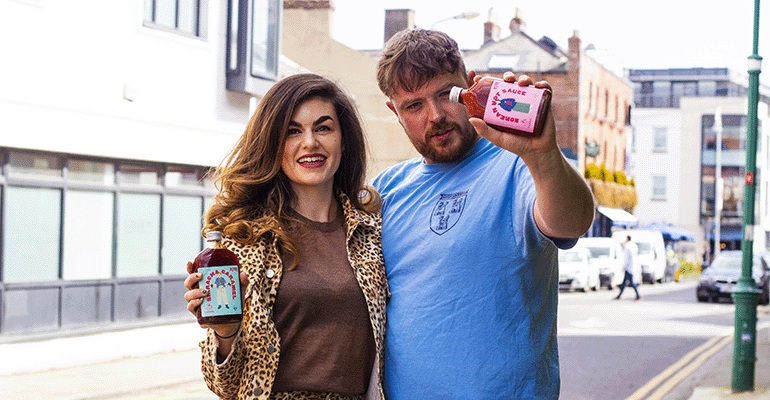
Chimac’s fusion sauces bring Korean flavours to Europe
25 Aug 2026
Irish sauce brand Chimac is tapping into Korea’s culinary traditions, bringing its flavours and products to European consumers who want a taste of K-food.
Read more
Global demand for instant noodles continues to rise
24 Aug 2026
Global demand for instant noodles reached 124.21 billion servings last year, representing a 0.7% year-on-year increase – or 900 million extra servings.
Read more
Popular barbecue staples experience sharp price increases
19 Aug 2026
The typical cost of US shoppers’ barbecue baskets has risen by 12% over the past year – the fastest annual rise in a decade, figures from The Economist show.
Read more
Hot NPD: Nissin launches first cold-water Cup Noodles
18 Aug 2026
Nissin is taking one of Japan’s most iconic instant meals in a completely new direction with the launch of the first cold water-only Cup Noodles in the brand’s 55-year history.
Read more