
Ingredients Categories
Finished Products
Finished Food Categories
- Bakery
- Beverages / Juices
- Cereal and grain products
- Confectionery
- Cooking Fats & Oils
- Dairy
- Egg products
- Fruits & Vegetables
- Infant & Baby food
- Meat, Poultry & Fish
- Nuts & Seeds products
- Other Finished Food Categories
- Pet Food
- Plant-based foods
- Prepared foods
- Sauces & Seasonings
- Sweet & Savoury Spreads
Specialised Finished Products
- Bee products
- Biotic products
- Dietary supplements
- Energy drinks
- Functional beverages
- Functional confectionery
- Functional food
- Functional powders
- Meal replacement products
- Nutricosmetics
- Other Specialised Finished Products
- Pet Dietary Supplements
- Pharma and OTC products
- Protein products
- Sugar replacers / Sweeteners
Health & Wellness Areas
Delivery Formats
Operations & Services
- 3D printing
- Analysis/ Testing
- Auditing & certifications
- Blending & mixing
- Bottling
- Certification
- Clinical trials
- Co-packing
- Coating
- Consulting
- Contract manufacturing
- Drying
- Electrospinning
- Encapsulating
- Enzymatic processing
- Extracting
- Extrusion
- Fat structuring
- Fermentation
- Filling
- Flavour development
- Freeze drying
- Granulating/ grinding/ milling / mixing
- High-pressure processing
- Labelling
- Other Operations & Services
- Packaging
- Packet filling
- Pasturising
- Quality assurance
- Saccharification
- Shear cell processing
- Spray drying
- Sterilisation
- Storage & Logistics
- Tabletting
- Toasting / roasting
- Ultra-high temperature processing
News
Mintel releases its global food and drink trends for 2025
Tessa Wiles, Content Editor - Food 15 Oct 2024Heading into 2025, Mintel has identified four key trends that food and beverage brands will need to keep their eyes on to stay competitive. We explore these four trends.
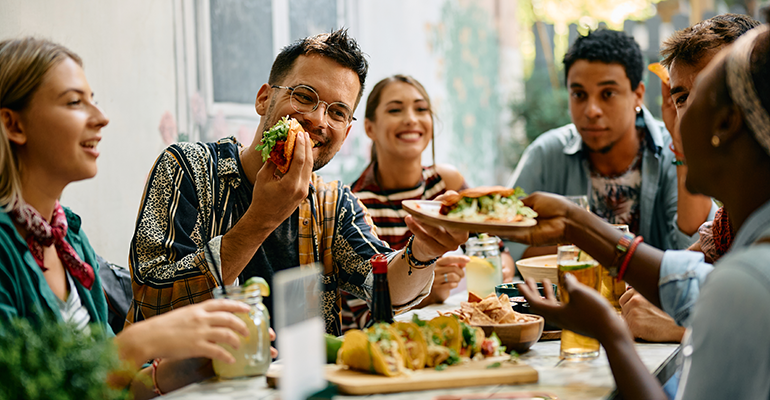
The trends relate to the shifting concept of "Food as Medicine"; breaking food norms and embracing imperfections; transparency around the disrupted food supply chain; and the growing partnership needed between technology and agriculture to address this.
The 2025 trends, according to Mintel are driven by dualities, which are reflected in consumers' contradictory decisions.
On the one side, consumers seek sustainable, healthy options, but on the flip side, they also indulge in convenience, push back against rigid food and beverage rules, and seek out innovation.
To balance tradition with innovation, Mintel explains that brands will need to tread carefully, utilising clarity, authenticity, and trust to keep consumers engaged.
The three over-arching contradictions shaping the 2025 trends include health vs indulgence; local vs global; and traditional farming vs high-tech farming.
These complexities are at the heart of the four key trends identified by Mintel and are something the company believes brands will need to keep on their radars to stay competitive in 2025.
Trend # 1: Fundamentally nutritious
The concept of "Food as Medicine" is fundamentally shifting due to the emergence of GLP-1 weight-loss medications, such as Ozempic and Wegovy. This shift is changing consumers' perceptions of the connection between health and food.
Where consumers used to turn to functional ingredients as "food as medicine", now as GLP-1s gain attention, Mintel predicts consumers' focus will shift toward foods that address daily nutritional needs, in particular products that offer satiety and are packed full of essential nutrients. In addition, simplified claims that focus on protein, fibre, vitamin, and mineral content will appeal to these consumers.
Looking forward, Mintel believes consumers will be increasingly interested in personalised nutrition and will turn their attention towards products with a balance of macronutrients – carbohydrates, protein, and fat – presenting opportunities for brands to highlight fibre and protein claims alongside macronutrient statistics.
In addition, blood sugar and hormone health, two metrics crucial to the way GLP-1s work in the body, are expected to receive increased interest from consumers, leading to a higher demand for low-glycaemic options and products that address hormone-related issues.
Trend # 2: Rule rebellion
According to Mintel, this trend is all about embracing imperfections.
Consumers may have the intention to pick the most nutritious options and cook all their meals at home, from scratch, using a range of fresh and organic ingredients, but in reality, intention and actual behaviour are not always aligned.
Mintel believes we will witness more rule-breaking behaviour when it comes to food. Breaking a food norm, is, for example, choosing indulgence over perfection. Over one-third of German consumers adhere to this ethos, eating something indulgent, like dessert, every day.
Leaning into consumers' desires for indulgence and imperfect choices is something brands can support by creating products that enable food and drink rules to be broken. By offering unconventional products brands can help consumers feel validated in their “imperfect” choices.
There are also opportunities for brands to play a role in consumers' identity: half of US consumers feel that certain brands help them express themselves. To achieve this, brands can experiment with novel textures, flavours, and aromas to provide unconventional food experiences.
Rule-breaking innovation could also come in the form of sustainable rebellion, where brands can explore unfamiliar sustainable ingredients, such as lemna or seaweed, to appeal to the consumer looking for rebellious but still innovative options.
Brands can also take a step further into rule-breaking territory by addressing and discussing less-talked-mental health issues in their products.
Trend # 3: Chain reaction
The supply chain is no longer a behind-the-scenes part of food production. As companies across the global food supply chain grapple with disruptions due to more frequent geopolitical and environmental challenges, consumers are also confronted with the reality of these disruptions and their impact on increasing food prices, and consequently consumer grocery choices.
The "chain reaction" trend emphasises the need for brand transparency around sourcing adjustments and to help consumers embrace new origins, ingredients, and flavours.
On the flip side, consumers also want transparency about where and how their food is produced. For example, 70% of coffee drinkers in France want to be informed about how growing conditions impact the flavour of their brew.
Food self-sufficiency and local sourcing may be the goal for many nations, but consumers are more likely to prioritise availability and are more concerned with getting the products they want at the time they need them.
Looking forward, Mintel predicts supply chain disruptions are likely to remain, and it will be the brand's responsibility to transparently communicate these challenges to consumers.
One option for brands is turning to alternative ingredients. Mintel used the example of olive oil, and how production is increasing in countries like Peru and Algeria to compensate for the dwindling supplies in Mediterranean countries that are currently experiencing droughts.
Mintel suggests highlighting and communicating to consumers how these sourcing choices fit into the shifting dynamics of the supply chain.
Trend #4: Hybrid harvests
Consumers concern about the environment is ever-increasing, as is the demand for a stable food supply.
Technology and agriculture will increasingly work hand in hand to address this, something which consumers are still coming to grips with – often wary about the role technology plays in creating, modifying, and producing the very foods they are expected to eat.
To get consumers on board, brands will need to bridge this gap, communicating and showing consumers how, rather than replacing nature, technology can enhance it.
There is, for example, an increasing burden on farmers who are expected to meet both food production demands and reduce their environmental impact. By communicating and educating consumers on how technology can assist in closing this gap and the benefits it can bring, brands can act as intermediaries, slightly lifting the burden off farmers.
Once brands have built a reputation for themselves as trustworthy educators, Mintel notes there is more room for them to integrate technology into their products, with backing from consumers. When communicating the benefits of the technology to consumers, Mintel suggests focusing first on taste, enhanced nutrition or consistent supply, and second, the environment.

Get more of our news on Google
Set Ingredients Network as a 'Preferred Source' to get quicker access to the news you value.
Related news

M&S launches own-brand pet food range
11 Sep 2026
UK retailer Marks & Spencer has launched its own-brand pet food line Paws & Pals – a well-timed and strategic move that will appeal to loyal shoppers, says a marketing expert.
Read more
Do the US dietary guidelines put UPFs under pressure?
10 Sep 2026
Will the US dietary guidelines change the way Americans eat, swapping ultra-processed foods for whole foods? We asked Dr Barry Popkin, renowned nutrition and obesity researcher.
Read more
Food fraud costs UK economy £2bn each year
9 Sep 2026
Food fraud is costing the UK economy up to £2 billion (€2.3 billion) every year although the food sector is more “resilient” than others, according to a recent study.
Read more
Health and wellness engagement matures across Middle East and Africa
4 Sep 2026
Many consumers in the Middle East and Africa are now proactively engaged in health and wellness, looking to integrate better habits and products into their daily lives, say experts.
Read more
Kellogg accelerates work to remove artificial colours from all US cereals
3 Sep 2026
WK Kellogg has announced an accelerated timeline to eliminate all artificial colours and the chemical preservative, BHT, across its full US portfolio of cereals and cereal packaging.
Read more
Skimpflation: An ‘unfair’ and risky approach to keeping prices low
2 Sep 2026
Consumers see skimpflation – reducing the quality of ingredients due to rising costs – as more unfair than shrinkflation, making it a risky strategy according to recent research.
Read more
Royal Canin launches ‘freshly-cooked’ therapeutic dog food
1 Sep 2026
Mars-owned Royal Canin has moved into the therapeutic diet sector with the launch of its Fresh Veterinary Diets range for dogs with health conditions. We asked a veterinary nutritionist for her opinion.
Read more
NielsenIQ’s EU barometer shows Britain leading in grocery inflation
31 Aug 2026
Britain was the only country to record grocery inflation above 2%, according to NielsenIQ data that compared Europe’s five biggest grocery markets from February to May 2026.
Read more
‘Urgent gaps’ in achieving 2030 food system goals
27 Aug 2026
Global food systems are failing to meet 2030 targets across indicators including health, environment, and resilience, according to a report co-authored by the Food and Agriculture Organisation (FAO).
Read more
Seven-Eleven uses microbial testing tech to extend katsudon shelf life
26 Aug 2026
Japanese retail company Seven-Eleven has improved its factory’s microbial environment to keep comfort-food staple, katsudon, fresher for longer.
Read more