
Ingredients Categories
Finished Products
Finished Food Categories
- Bakery
- Beverages / Juices
- Cereal and grain products
- Confectionery
- Cooking Fats & Oils
- Dairy
- Egg products
- Fruits & Vegetables
- Infant & Baby food
- Meat, Poultry & Fish
- Nuts & Seeds products
- Other Finished Food Categories
- Pet Food
- Plant-based foods
- Prepared foods
- Sauces & Seasonings
- Sweet & Savoury Spreads
Specialised Finished Products
- Bee products
- Biotic products
- Dietary supplements
- Energy drinks
- Functional beverages
- Functional confectionery
- Functional food
- Functional powders
- Meal replacement products
- Nutricosmetics
- Other Specialised Finished Products
- Pet Dietary Supplements
- Pharma and OTC products
- Protein products
- Sugar replacers / Sweeteners
Health & Wellness Areas
Delivery Formats
Operations & Services
- 3D printing
- Analysis/ Testing
- Auditing & certifications
- Blending & mixing
- Bottling
- Certification
- Clinical trials
- Co-packing
- Coating
- Consulting
- Contract manufacturing
- Drying
- Electrospinning
- Encapsulating
- Enzymatic processing
- Extracting
- Extrusion
- Fat structuring
- Fermentation
- Filling
- Flavour development
- Freeze drying
- Granulating/ grinding/ milling / mixing
- High-pressure processing
- Labelling
- Other Operations & Services
- Packaging
- Packet filling
- Pasturising
- Quality assurance
- Saccharification
- Shear cell processing
- Spray drying
- Sterilisation
- Storage & Logistics
- Tabletting
- Toasting / roasting
- Ultra-high temperature processing
News
The growing appeal of nutrient-dense food claims
Tessa Wiles, Content Editor - Food 2 Oct 2025Nutrient-dense claims are rising as consumers reject the “empty calories” of UPFs in favour of products that provide meaningful nutrition with every calorie, Mintel data shows.
Driven by the US, food and beverage launches with nutrient-dense messaging are on the rise, according to the market research agency’s report Nutrition Watch: Nutrient-Dense Claims.
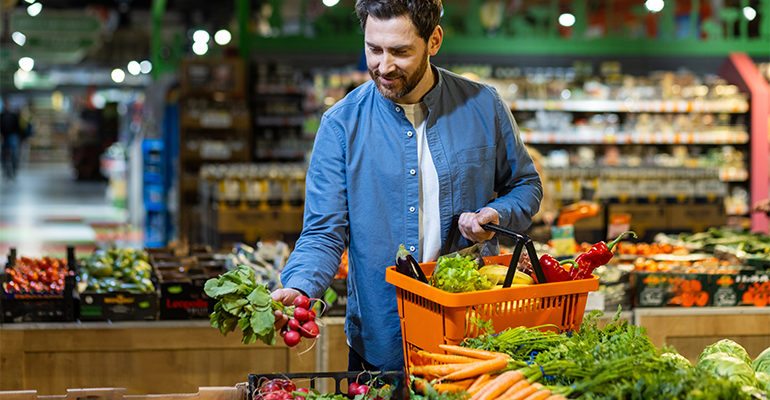
“In 2017, Mintel predicted that nutrient-dense claims would become important, and the need has continued to gain momentum,” wrote Stephanie Mattucci, director of food and drink/purchase intelligence at Mintel.
The reason for this momentum, she explained, is consumers’ growing preference for healthier choices, “especially as conversations about ultra-processed foods (UPFs) and GLP-1s are putting nutritional quality in the spotlight”.
Better-for-us food systems start with the soil
“Better-for-us” food systems are designed to deliver benefits not only for people, but also for the planet. For many consumers, eating nutrient-rich foods starts with how crops are grown, not just what is purchased at the supermarket. #
As Mattucci explained, “the quality of the soil directly affects the nutritional content of the crops grown in it”.
This perspective resonates in Germany, with around half (45%) of consumers agreeing that growing food in a way that promotes good soil health makes it more nutritious, Mintel figures show.
But soil health is about more than nutritional content. Heavy metals, such as arsenic, lead, mercury, and cadmium, can find their way into the food system through agricultural practices and industrial processes.
Their accumulation can decrease plant yields and present serious health risks for people. As such, heavy metals in soil are becoming a growing and justified concern for consumers and regulators alike.
A January study by the Clean Label Project found that 47% of 160 protein powders tested in the US exceeded safety thresholds for heavy metals.
Similarly, in 2024, the discovery of elevated lead levels in ground cinnamon prompted the US Food and Drug Administration (FDA) to request recalls from six processors.
Hand in hand: Nutrient-dense and ethical or environmental claims
More than half (52%) of food and drink launches globally positioned as nutrient-dense also carried an ethical or environmental-related claim, according to Mintel.
Mattucci pointed to several finished product examples demonstrating this. In the US, Revival Einkorn launched seed and sea salt sourdough crackers made from einkorn, a type of non-hybridised nutrient-rich wheat.
The wheat contains 14 chromosomes, compared with the 42 found in hybridised wheat, resulting in a simpler genetic makeup and less complex gluten protein, which makes it easier to digest.
In Australia, the brand Amazonia launched its snap-frozen wild blueberries, which are more nutrient-dense than standard blueberries, as well as being higher in fibre and vitamin C.
In June, the US brand Big Picture Foods brought its organic, regeneratively farmed, sun-ripened banana peppers to the market. Picked at the peak of harvest, the peppers are fermented in a salt, water, and vinegar brine, combining nutrient density with sustainable practices.
Protein and fibre offer consumers nutrient-dense meal options
Mattuci also highlighted the growing number of products launched carrying both high-fibre and high-protein claims.
According to Mintel’s Global New Product Database (GNDP), many sweet snack products now feature this claim combination.
In September, the UK nut butter brand Pip & Nut released its peanut butter-stuffed oat bar, containing six grams of protein per bar and 32% wholegrain oats.
In Poland, Greenergy Natural launched a sugar-free, “creamy butter flavour” protein cookie, made with soy protein concentrate and enriched with expanded millet.

Get more of our news on Google
Set Ingredients Network as a 'Preferred Source' to get quicker access to the news you value.
Related news

M&S launches own-brand pet food range
11 Sep 2026
UK retailer Marks & Spencer has launched its own-brand pet food line Paws & Pals – a well-timed and strategic move that will appeal to loyal shoppers, says a marketing expert.
Read more
Do the US dietary guidelines put UPFs under pressure?
10 Sep 2026
Will the US dietary guidelines change the way Americans eat, swapping ultra-processed foods for whole foods? We asked Dr Barry Popkin, renowned nutrition and obesity researcher.
Read more
Food fraud costs UK economy £2bn each year
9 Sep 2026
Food fraud is costing the UK economy up to £2 billion (€2.3 billion) every year although the food sector is more “resilient” than others, according to a recent study.
Read more
Kellogg accelerates work to remove artificial colours from all US cereals
3 Sep 2026
WK Kellogg has announced an accelerated timeline to eliminate all artificial colours and the chemical preservative, BHT, across its full US portfolio of cereals and cereal packaging.
Read more
‘Urgent gaps’ in achieving 2030 food system goals
27 Aug 2026
Global food systems are failing to meet 2030 targets across indicators including health, environment, and resilience, according to a report co-authored by the Food and Agriculture Organisation (FAO).
Read more
Chimac’s fusion sauces bring Korean flavours to Europe
25 Aug 2026
Irish sauce brand Chimac is tapping into Korea’s culinary traditions, bringing its flavours and products to European consumers who want a taste of K-food.
Read more
Savoury protein snacks shake up the on-the-go market
10 Aug 2026
Sweet flavours have dominated the high-protein snack category but savoury snacks, such as cheese bars and meat sticks, can appeal to health-conscious consumers.
Read more
Nestlé invests in regeneratively farmed wheat for KitKat
5 Aug 2026
Nestlé will pay a premium for Wildfarmed’s regeneratively farmed wheat but the CPG remains reticent to promote the move on packs of its KitKat bars.
Read more
How Secon Taste is putting upcycled snacks on shelves
4 Aug 2026
Hungarian zero-waste startup Secon Taste is turning surplus food into upcycled snacks such as fibre-packed granola, instant porridge, and a circular coffee-tasting box.
Read more
Codex sets global thresholds for ‘may contain’ labels
3 Aug 2026
Codex Alimentarius has adopted its first global guidance on when to use “may contain” allergen warnings, setting thresholds intended to stop the label being used as blanket legal cover.
Read more