
Ingredients Categories
Finished Products
Finished Food Categories
- Bakery
- Beverages / Juices
- Cereal and grain products
- Confectionery
- Cooking Fats & Oils
- Dairy
- Egg products
- Fruits & Vegetables
- Infant & Baby food
- Meat, Poultry & Fish
- Nuts & Seeds products
- Other Finished Food Categories
- Pet Food
- Plant-based foods
- Prepared foods
- Sauces & Seasonings
- Sweet & Savoury Spreads
Specialised Finished Products
- Bee products
- Biotic products
- Dietary supplements
- Energy drinks
- Functional beverages
- Functional confectionery
- Functional food
- Functional powders
- Meal replacement products
- Nutricosmetics
- Other Specialised Finished Products
- Pet Dietary Supplements
- Pharma and OTC products
- Protein products
- Sugar replacers / Sweeteners
Health & Wellness Areas
Delivery Formats
Operations & Services
- 3D printing
- Analysis/ Testing
- Auditing & certifications
- Blending & mixing
- Bottling
- Certification
- Clinical trials
- Co-packing
- Coating
- Consulting
- Contract manufacturing
- Drying
- Electrospinning
- Encapsulating
- Enzymatic processing
- Extracting
- Extrusion
- Fat structuring
- Fermentation
- Filling
- Flavour development
- Freeze drying
- Granulating/ grinding/ milling / mixing
- High-pressure processing
- Labelling
- Other Operations & Services
- Packaging
- Packet filling
- Pasturising
- Quality assurance
- Saccharification
- Shear cell processing
- Spray drying
- Sterilisation
- Storage & Logistics
- Tabletting
- Toasting / roasting
- Ultra-high temperature processing
News
UK consumers could be eating cultivated meat within two years
David Burrows, Freelance Journalist 26 Mar 2025Cell-cultivated products (CCPs), from chicken nuggets to beefburgers, could be on UK supermarket shelves by 2027 after regulators launched a sandbox to accelerate approvals.
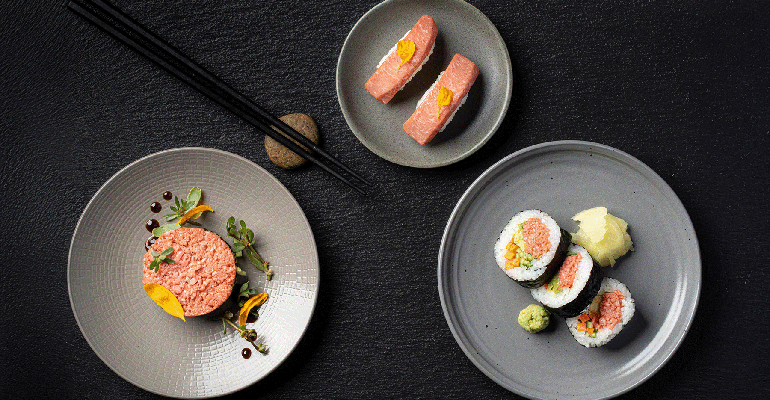
Scientists and regulatory experts have just started working on the two-year programme, collaborating with academic bodies, the CCP industry, and trade organisations to “gather rigorous scientific evidence” about the products and how they are made. The findings will inform how the Food Standards Agency (FSA) and Foods Standards Scotland (FSS) regulate CCPs in future.
"Safe innovation is at the heart of this programme,” said Professor Robin May, the FSA’s chief scientific officer. “By prioritising consumer safety and making sure new foods like CCPs are safe, we can support growth in innovative sectors,” he added.
Cell-cultivated products: Two-year sandbox ‘will help shape science-based recommendations’
Eight CCP companies have been selected to participate in the programme and fast-track the products.
Hoxton Farms (UK), BlueNalu (USA), Mosa Meat (The Netherlands), Gourmey (France), Roslin Technologies (UK), Uncommon Bio (UK), Vital Meat (France), and Vow (Australia) were selected to represent the diverse, international range of technologies, processes, and ingredients used in production of cultivated foods and ingredients.
Hoxton said on social media that the project means “getting one step closer to bringing cultivated fat to market”.
Vital Meat said the two-year sandbox “will help shape science-based recommendations before any cell-cultivated products can enter the market. We also know this comes with a responsibility: sharing knowledge, even sensitive insights, that could help others innovate, improve, and get faster through the regulatory process”.
Roslin Technologies, which is based in Scotland, said: “We believe that strong, risk-based regulation is crucial for ensuring food safety and building consumer confidence.”
The company’s chief operating officer, John Clinkenbeard, admitted that “we're still a few years off doing this at scale, but [this project is] a very positive step forward for the industry. Both cultivated meat and traditional (sustainable) farming will be need for the foreseeable future to fill the protein gap and we look forward to playing a major role in that journey”.
Full safety assessment to two products by 2027
The US, Singapore, and Israel have all already given regulatory approval to some cultivated meat products for human consumption.
The UK has made major contributions to lab-grown food science, but regulation has proved a hurdle to commercialising such products. The FSA hopes the new sandbox will help position the UK as a leader in this emerging sector, joining markets like India that are now racing to bring CCPs to consumers.
Regulation cannot be rushed, but the process can be accelerated through the sandbox approach, as the GreenQueen website explained. These “controlled environments for situations where scientific and technological innovation has outpaced existing regulation” – as in the CCP market, where many companies are already making cultivated meat, but regulatory progress is slow – can run “for a limited period to help startups, researchers, and regulators work together to develop new rules, standards and guidance”.
The evidence will enable the FSA to assess CCP applications “more efficiently” and ensure their safety before they can be sold to consumers. The FSA will also provide clearer guidance to businesses, and the agency has committed to completing the full safety assessment of two CCPs within the next two years.
“This work will not only help bring new products to market faster, but strengthen consumer trust,” said UK science minister Lord Vallance.
Consumer perceptions of cell-cultivated products
A rapid review of UK consumer responses to meat, seafood, dairy, and plant CCPs, published by the FSA in February, showed that people’s willingness to consume the products has not changed between 2022 and 2024, but appears to have increased over longer time periods.
Almost three in five (59%) UK consumers think cell-cultivated meat could offer benefits, particularly for animal welfare, the environment, and global food availability. However, more than four in five (85%) have concerns about CCPs – in particular, their safety, “unnaturalness”, and impacts on farmers.
Writing about the impact of CCPs on farmers, Katherine Lewis, research engagement manager at the UK’s Royal Agricultural University, which is involved in the sandbox through the Cellular Agriculture Manufacturing Hub (CARMA), said farmers were “being left out” of the discussions around CCPs.
The launch of the sandbox comes just weeks after the first CCP hit the UK market – in the form of pet food. Some experts wondered if the arrival of cultivated chicken treats for dogs could hinder consumer acceptance of the meats produced for human consumption.
This is a “very bad idea from the perspective of consumer perceptions about the adequacy of cultivated meat for human consumption”, said behavioural scientist Sophie Attwood, founder and director of the consultancy Behavior Global.
She added: “I can only see this getting mentally tagged as 'dog food'... but good news from the perspective of actual dog food.”

Get more of our news on Google
Set Ingredients Network as a 'Preferred Source' to get quicker access to the news you value.
Related news

M&S launches own-brand pet food range
11 Sep 2026
UK retailer Marks & Spencer has launched its own-brand pet food line Paws & Pals – a well-timed and strategic move that will appeal to loyal shoppers, says a marketing expert.
Read more
Do the US dietary guidelines put UPFs under pressure?
10 Sep 2026
Will the US dietary guidelines change the way Americans eat, swapping ultra-processed foods for whole foods? We asked Dr Barry Popkin, renowned nutrition and obesity researcher.
Read more
Food fraud costs UK economy £2bn each year
9 Sep 2026
Food fraud is costing the UK economy up to £2 billion (€2.3 billion) every year although the food sector is more “resilient” than others, according to a recent study.
Read more
Kellogg accelerates work to remove artificial colours from all US cereals
3 Sep 2026
WK Kellogg has announced an accelerated timeline to eliminate all artificial colours and the chemical preservative, BHT, across its full US portfolio of cereals and cereal packaging.
Read more
‘Urgent gaps’ in achieving 2030 food system goals
27 Aug 2026
Global food systems are failing to meet 2030 targets across indicators including health, environment, and resilience, according to a report co-authored by the Food and Agriculture Organisation (FAO).
Read more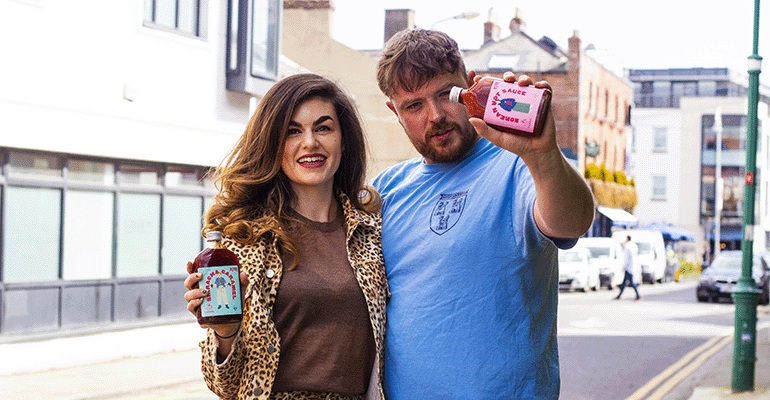
Chimac’s fusion sauces bring Korean flavours to Europe
25 Aug 2026
Irish sauce brand Chimac is tapping into Korea’s culinary traditions, bringing its flavours and products to European consumers who want a taste of K-food.
Read more
Savoury protein snacks shake up the on-the-go market
10 Aug 2026
Sweet flavours have dominated the high-protein snack category but savoury snacks, such as cheese bars and meat sticks, can appeal to health-conscious consumers.
Read more
Nestlé invests in regeneratively farmed wheat for KitKat
5 Aug 2026
Nestlé will pay a premium for Wildfarmed’s regeneratively farmed wheat but the CPG remains reticent to promote the move on packs of its KitKat bars.
Read more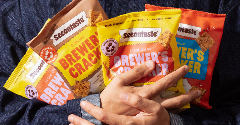
How Secon Taste is putting upcycled snacks on shelves
4 Aug 2026
Hungarian zero-waste startup Secon Taste is turning surplus food into upcycled snacks such as fibre-packed granola, instant porridge, and a circular coffee-tasting box.
Read more
Codex sets global thresholds for ‘may contain’ labels
3 Aug 2026
Codex Alimentarius has adopted its first global guidance on when to use “may contain” allergen warnings, setting thresholds intended to stop the label being used as blanket legal cover.
Read more