
Ingredients Categories
Finished Products
Finished Food Categories
- Bakery
- Beverages / Juices
- Cereal and grain products
- Confectionery
- Cooking Fats & Oils
- Dairy
- Egg products
- Fruits & Vegetables
- Infant & Baby food
- Meat, Poultry & Fish
- Nuts & Seeds products
- Other Finished Food Categories
- Pet Food
- Plant-based foods
- Prepared foods
- Sauces & Seasonings
- Sweet & Savoury Spreads
Specialised Finished Products
- Bee products
- Biotic products
- Dietary supplements
- Energy drinks
- Functional beverages
- Functional confectionery
- Functional food
- Functional powders
- Meal replacement products
- Nutricosmetics
- Other Specialised Finished Products
- Pet Dietary Supplements
- Pharma and OTC products
- Protein products
- Sugar replacers / Sweeteners
Health & Wellness Areas
Delivery Formats
Operations & Services
- 3D printing
- Analysis/ Testing
- Auditing & certifications
- Blending & mixing
- Bottling
- Certification
- Clinical trials
- Co-packing
- Coating
- Consulting
- Contract manufacturing
- Drying
- Electrospinning
- Encapsulating
- Enzymatic processing
- Extracting
- Extrusion
- Fat structuring
- Fermentation
- Filling
- Flavour development
- Freeze drying
- Granulating/ grinding/ milling / mixing
- High-pressure processing
- Labelling
- Other Operations & Services
- Packaging
- Packet filling
- Pasturising
- Quality assurance
- Saccharification
- Shear cell processing
- Spray drying
- Sterilisation
- Storage & Logistics
- Tabletting
- Toasting / roasting
- Ultra-high temperature processing
News
EU Parliament passes stricter packaging rules
Natasha Spencer-Jolliffe, Freelance Journalist 20 Jan 2025The European Parliament voted to approve updates to the packaging and packaging waste regulation, including enforceable re-use targets, limits on certain single-use packaging types, and restrictions on the use of PFAS “forever chemicals”.
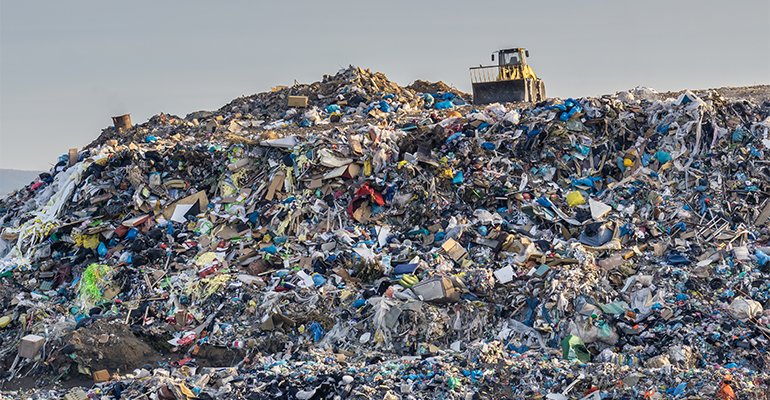
Members of Parliament voted to pass through the regulation on packaging and packaging waste in December, amending Regulation (EU) 2019/1020 and Directive (EU) 2019/904, repealing Directive 94/62/EC. The vote represents the final step in the legislative procedure, signalling that Europe is putting its legal advocacy behind switching to less packaging and waste in the food and beverage sector. Voted on 16th December 2024, the EU will apply the regulation 18 months after it is enacted in the Journal.
The European Council stated that the approval of the packaging regulation will significantly reduce the generation of packaging waste produced. Covering the entire lifecycle of food and beverage packaging, the new European Union (EU) rules will set enforceable re-use targets and limit certain single-use packaging types.
What do the new rules mean for industry?
The packaging and packaging waste regulation brings in 2030 and 2040 targets for a minimum percentage of recycled content, including up to 65% for single-use plastic bottles, by 2040.
The regulation also stipulates that operators will need to minimise packaging weight and volume and avoid unnecessary packaging. Additionally, it states they need to minimise substances of concern in packaging, including restricting the production of food contact packaging that contains per- and polyfluorinated alkyl substances (PFAS) if they exceed certain thresholds.
Transparency will play a prominent role, with the regulation outlining that labelling, marking and information requirements detailing material composition or recycled content are key. It aims to help consumers make informed decisions over their packaging choices and sort through their food and drink packaging.
New rules will come into force on single-use plastic packaging. It adds specific rules on fruit and vegetables, specifying that pre-packed fruit and vegetables less than 1.5 kg apply. Food and drink consumed in hotels, bars, and restaurants also fall under the law, relating to individual portions of condiments, sauces, milk creamer, and sugar. The single-use plastic requirement applies to very lightweight plastic bags offered at markets for bulk groceries.
There are also re-use targets and re-fill obligations attached to the packaging and packaging waste regulation. It has set new binding re-use targets for 2030 and indicative targets for 2040. Packaging targets vary depending on the operators. For example, there are 40% binding targets for transport and sales packaging, along with 10% for grouped packaging.
The food service sector within the food and drink industry is also undergoing changes. Take-away businesses will have to offer consumers the option to bring in their own containers to fill with ready-prepared food and cold or hot beverages without any additional charges.
Waste surpasses recyclability
Due to more awareness and a greater push for recyclability in the EU, recycling rates have increased. While recycling rates have gone up, waste has too, but far faster. In 2022, the EU produced nearly 186.5 kilograms of waste packaging per person, with 36 coming from plastic packaging. Daily, this means that each EU consumer produces half a kilogram of packaging waste.
The United Nations (UN) Sustainable Development Goals (SDGs) 2030 goals are almost five years away, with goal 12: responsible consumption and production pushing for more action. The goal specifies using packaging with a low environmental impact, compostability, recyclability and lowering emissions to create environmentally friendly business practices.

Get more of our news on Google
Set Ingredients Network as a 'Preferred Source' to get quicker access to the news you value.
Related news

Do the US dietary guidelines put UPFs under pressure?
10 Sep 2026
Will the US dietary guidelines change the way Americans eat, swapping ultra-processed foods for whole foods? We asked Dr Barry Popkin, renowned nutrition and obesity researcher.
Read more
Food fraud costs UK economy £2bn each year
9 Sep 2026
Food fraud is costing the UK economy up to £2 billion (€2.3 billion) every year although the food sector is more “resilient” than others, according to a recent study.
Read more
Kellogg accelerates work to remove artificial colours from all US cereals
3 Sep 2026
WK Kellogg has announced an accelerated timeline to eliminate all artificial colours and the chemical preservative, BHT, across its full US portfolio of cereals and cereal packaging.
Read more
Skimpflation: An ‘unfair’ and risky approach to keeping prices low
2 Sep 2026
Consumers see skimpflation – reducing the quality of ingredients due to rising costs – as more unfair than shrinkflation, making it a risky strategy according to recent research.
Read more
NielsenIQ’s EU barometer shows Britain leading in grocery inflation
31 Aug 2026
Britain was the only country to record grocery inflation above 2%, according to NielsenIQ data that compared Europe’s five biggest grocery markets from February to May 2026.
Read more
‘Urgent gaps’ in achieving 2030 food system goals
27 Aug 2026
Global food systems are failing to meet 2030 targets across indicators including health, environment, and resilience, according to a report co-authored by the Food and Agriculture Organisation (FAO).
Read more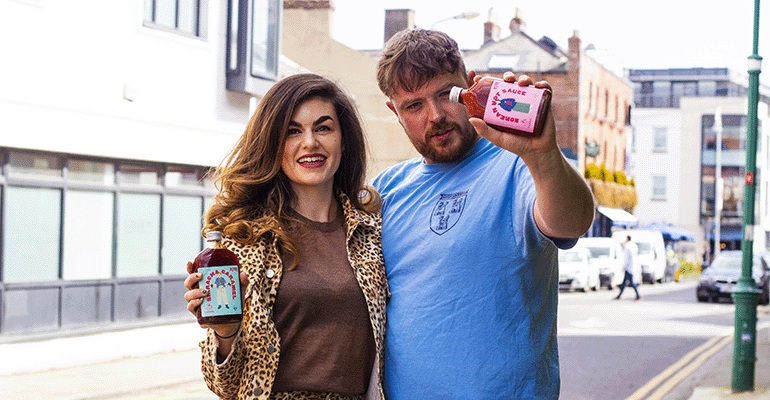
Chimac’s fusion sauces bring Korean flavours to Europe
25 Aug 2026
Irish sauce brand Chimac is tapping into Korea’s culinary traditions, bringing its flavours and products to European consumers who want a taste of K-food.
Read more
Global demand for instant noodles continues to rise
24 Aug 2026
Global demand for instant noodles reached 124.21 billion servings last year, representing a 0.7% year-on-year increase – or 900 million extra servings.
Read more
Popular barbecue staples experience sharp price increases
19 Aug 2026
The typical cost of US shoppers’ barbecue baskets has risen by 12% over the past year – the fastest annual rise in a decade, figures from The Economist show.
Read more
Hot NPD: Nissin launches first cold-water Cup Noodles
18 Aug 2026
Nissin is taking one of Japan’s most iconic instant meals in a completely new direction with the launch of the first cold water-only Cup Noodles in the brand’s 55-year history.
Read more