
Ingredients Categories
Finished Products
Finished Food Categories
- Bakery
- Beverages / Juices
- Cereal and grain products
- Confectionery
- Cooking Fats & Oils
- Dairy
- Egg products
- Fruits & Vegetables
- Infant & Baby food
- Meat, Poultry & Fish
- Nuts & Seeds products
- Other Finished Food Categories
- Pet Food
- Plant-based foods
- Prepared foods
- Sauces & Seasonings
- Sweet & Savoury Spreads
Specialised Finished Products
- Bee products
- Biotic products
- Dietary supplements
- Energy drinks
- Functional beverages
- Functional confectionery
- Functional food
- Functional powders
- Meal replacement products
- Nutricosmetics
- Other Specialised Finished Products
- Pet Dietary Supplements
- Pharma and OTC products
- Protein products
- Sugar replacers / Sweeteners
Health & Wellness Areas
Delivery Formats
Operations & Services
- 3D printing
- Analysis/ Testing
- Auditing & certifications
- Blending & mixing
- Bottling
- Certification
- Clinical trials
- Co-packing
- Coating
- Consulting
- Contract manufacturing
- Drying
- Electrospinning
- Encapsulating
- Enzymatic processing
- Extracting
- Extrusion
- Fat structuring
- Fermentation
- Filling
- Flavour development
- Freeze drying
- Granulating/ grinding/ milling / mixing
- High-pressure processing
- Labelling
- Other Operations & Services
- Packaging
- Packet filling
- Pasturising
- Quality assurance
- Saccharification
- Shear cell processing
- Spray drying
- Sterilisation
- Storage & Logistics
- Tabletting
- Toasting / roasting
- Ultra-high temperature processing
News
Kremlin takes control of Nestlé Russia’s assets
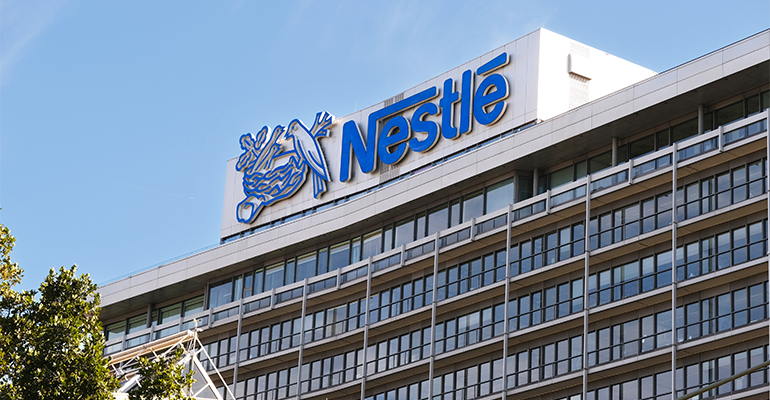
Niamh Michail, Head of Publishing 18 Sep 2026Nestlé says it is committed to “taking all necessary steps to protect its rights” after Russian authorities take temporary control of its operations in the country.
On Thursday (17 September), Russian president Vladimir Putin signed a decree transferring assets of Nestlé Russia and three French businesses, including the supermarket Auchan, to a company called L.E.V. Management, a Moscow-based company registered in 2024.
At a glance:
- Russia has placed Nestlé's assets under external administration in response to Western sanctions over Ukraine.
- The Kremlin is transferring control to a Moscow-based company, potentially leading to asset seizure.
- Nestlé employs around 7,000 people in Russia, mainly for coffee, pet care, infant nutrition, and confectionery.
The move against the European firms comes in response to Western sanctions against Russia over the war in Ukraine.
"Of course, one of the factors taken into account when making this decision was that these are unfriendly countries, which are currently most actively involved in military operations against our country," said Kremlin spokesman Dmitry Peskov at a press conference on Friday (18 September).
A brief statement published on Nestlé’s website said that the company had taken note of Russia’s presidential decree.
“The company is assessing the situation and its options. Nestlé is committed to taking all necessary steps to protect its rights and ensure continuity of business operations in the interests of all stakeholders, particularly its employees,” it added.
Nestlé employs around 7,000 people in Russia, mainly for coffee, pet care, infant nutrition, and confectionery products.
A spokesperson for the company told Ingredients Network that Nestlé remains the owner of the business. However, in the past, companies placed under temporary external administration have been sold off to Russian buyers.
This was the fate of Danone Russia when, in July 2023, the Rosimushchestvo, Russia’s Federal Agency for State Property Management, placed it under temporary external administration.
In March 2024, the French dairy giant later deconsolidated its Russian business from its accounts after it acknowledged it had “[lost] control of the management”. The total loss to Danone was €1.2 billion.
Exact figures for the potential loss that could be incurred by Nestlé are lacking as it only discloses precise sales figures for its largest markets, and Russia falls outside its top 10 markets. However, the company last communicated sales for Russia in 2021, before the invasion of Ukraine, when it accounted for 2% of group sales.
Since then, it has scaled back operations in the country – it suspended KitKat and Nesquik, among other brands, halted “non-essential” imports and exports into and out of Russia, stopped advertising, and suspended all capital investment – so this figure is likely to be lower today.
Auchan is one of Russia’s largest foreign retailers, employing around 24,000 people and operating 229 stores, according to Global Banking and Finance. In the first half of 2026, it generated 127 billion roubles (€1.32 billion) in sales.
Exiting Russia
Many companies exited Russia following its invasion of Ukraine, while others pared back operations. In recent years, the Russian government has made it difficult for Western companies to exit the country, requiring presidential approval.
According to a 2024 report by investigative outlet Novaya Gazeta Europa, of the 3,708 foreign companies working in Russia before the Ukraine war, 854 left the market or ceased work.
It said that Nestlé was among the 40 companies (others included PepsiCo, Mars, Bacardi, and Campari) that had pledged to sell their Russian businesses, withdraw from the Russian market, and to halt their development plans but maintain some assets in the country, such as factories, retail chains, brands, services, or deliveries.
Writing on LinkedIn, William Courtney, adjunct senior fellow at global policy think tank RAND and former US ambassador to Kazakhstan and Georgia, wrote that the news about Nestlé was “a warning to those […] naive enough to think that business opportunities abound in Russia”.

Get more of our news on Google
Set Ingredients Network as a 'Preferred Source' to get quicker access to the news you value.
Related news
Lidl says Britain 'significantly off track' with healthy and sustainable eating
15 Sep 2026
Discounter retailer Lidl has raised concerns about healthy and sustainable eating habits across Britain, spotlighting how affordability remains a barrier for consumers.
Read more
Do the US dietary guidelines put UPFs under pressure?
10 Sep 2026
Will the US dietary guidelines change the way Americans eat, swapping ultra-processed foods for whole foods? We asked Dr Barry Popkin, renowned nutrition and obesity researcher.
Read more
Food fraud costs UK economy £2bn each year
9 Sep 2026
Food fraud is costing the UK economy up to £2 billion (€2.3 billion) every year although the food sector is more “resilient” than others, according to a recent study.
Read more
Kellogg accelerates work to remove artificial colours from all US cereals
3 Sep 2026
WK Kellogg has announced an accelerated timeline to eliminate all artificial colours and the chemical preservative, BHT, across its full US portfolio of cereals and cereal packaging.
Read more
Skimpflation: An ‘unfair’ and risky approach to keeping prices low
2 Sep 2026
Consumers see skimpflation – reducing the quality of ingredients due to rising costs – as more unfair than shrinkflation, making it a risky strategy according to recent research.
Read more
NielsenIQ’s EU barometer shows Britain leading in grocery inflation
31 Aug 2026
Britain was the only country to record grocery inflation above 2%, according to NielsenIQ data that compared Europe’s five biggest grocery markets from February to May 2026.
Read more
‘Urgent gaps’ in achieving 2030 food system goals
27 Aug 2026
Global food systems are failing to meet 2030 targets across indicators including health, environment, and resilience, according to a report co-authored by the Food and Agriculture Organisation (FAO).
Read more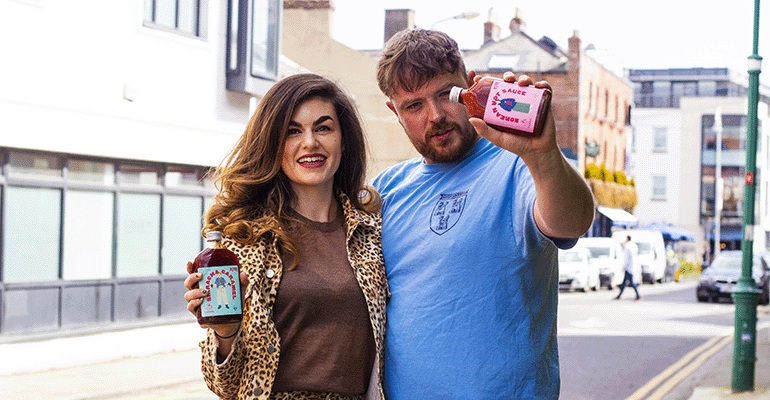
Chimac’s fusion sauces bring Korean flavours to Europe
25 Aug 2026
Irish sauce brand Chimac is tapping into Korea’s culinary traditions, bringing its flavours and products to European consumers who want a taste of K-food.
Read more
Global demand for instant noodles continues to rise
24 Aug 2026
Global demand for instant noodles reached 124.21 billion servings last year, representing a 0.7% year-on-year increase – or 900 million extra servings.
Read more
Popular barbecue staples experience sharp price increases
19 Aug 2026
The typical cost of US shoppers’ barbecue baskets has risen by 12% over the past year – the fastest annual rise in a decade, figures from The Economist show.
Read more