
Ingredients Categories
Finished Products
Finished Food Categories
- Bakery
- Beverages / Juices
- Cereal and grain products
- Confectionery
- Cooking Fats & Oils
- Dairy
- Egg products
- Fruits & Vegetables
- Infant & Baby food
- Meat, Poultry & Fish
- Nuts & Seeds products
- Other Finished Food Categories
- Pet Food
- Plant-based foods
- Prepared foods
- Sauces & Seasonings
- Sweet & Savoury Spreads
Specialised Finished Products
- Bee products
- Biotic products
- Dietary supplements
- Energy drinks
- Functional beverages
- Functional confectionery
- Functional food
- Functional powders
- Meal replacement products
- Nutricosmetics
- Other Specialised Finished Products
- Pet Dietary Supplements
- Pharma and OTC products
- Protein products
- Sugar replacers / Sweeteners
Health & Wellness Areas
Delivery Formats
Operations & Services
- 3D printing
- Analysis/ Testing
- Auditing & certifications
- Blending & mixing
- Bottling
- Certification
- Clinical trials
- Co-packing
- Coating
- Consulting
- Contract manufacturing
- Drying
- Electrospinning
- Encapsulating
- Enzymatic processing
- Extracting
- Extrusion
- Fat structuring
- Fermentation
- Filling
- Flavour development
- Freeze drying
- Granulating/ grinding/ milling / mixing
- High-pressure processing
- Labelling
- Other Operations & Services
- Packaging
- Packet filling
- Pasturising
- Quality assurance
- Saccharification
- Shear cell processing
- Spray drying
- Sterilisation
- Storage & Logistics
- Tabletting
- Toasting / roasting
- Ultra-high temperature processing
News
Sustainability commitments lead more LatAm brands to B Corp
19 Jun 2023
A growing number of Latin American brands are becoming B Corp certified as they seek to address consumers’ sustainability concerns, from Colombia’s Luker Chocolate to Brazil’s Naveia and B.You Açaí.
With more consumers prioritising sustainability in their everyday lives in the fight against climate change, companies in Latin America are taking action to change and align with these needs.
.png)
This has led many brands to pursue certification as a B Corporation, which analyses a company’s balance between social and ethical standards in five impact areas: governance, workers, community, environment, and customers.
For example, Colombia-based chocolate manufacturer, Luker Chocolate, was recently certified as a B Corp, considered to be the highest standard for social corporate responsibility. It represents part of a growing movement in the region to put sustainability at the forefront of business to appeal to a larger global audience.
The brand said the B Corp certification will help them drive significant change in the cocoa industry by boosting farmer income, championing environmental protection and building a transparent supply chain.
Building a new LatAm economy
Standards for sustainable business practices have been improving in Latin America, and the desire for B Corp certification is increasing in popularity among local brands. As of 2023, there are more than 800 certified companies based in the region.
B Corp’s Latin America branch, Sistema B, has promoted the certification in the area since 2012 “in order to build a new economy, in which success and financial benefits include social and environmental well-being.”
“The B Corp movement has been gaining track in Latin America as more companies are joining in order to ratify their commitment to sustainability. As a B4B company looking to share Colombian chocolate products with the world, it was important for us to pursue this certification,” Luker Chocolate told Ingredients Network.
“Being a Certified B Corp reinforces the commitment we have had as a company since our origin to make the world a better place through our chocolate.”
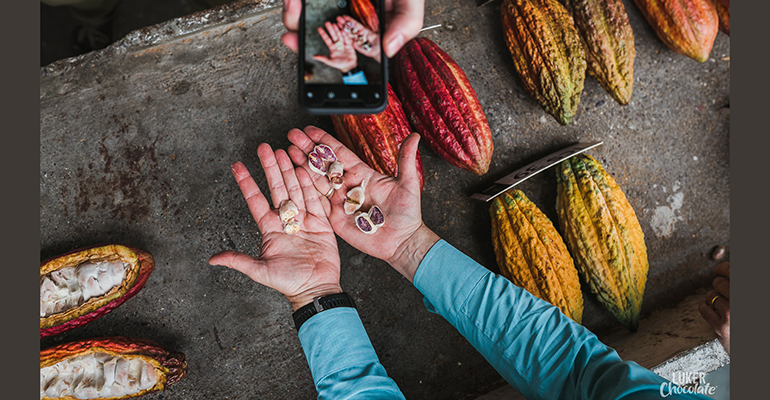 Image credit: Luker Chocolate
There are several other food and beverage companies based in Colombia that have achieved B Corp certification, including coffee brands Devoción and Urbania Cafe, restaurant chain Crepes y Waffles and healthy snack brand Alcagüete.
Companies based in neighbouring Brazil that are B Corp certified include food and beverage brands like Naveia, B.You Açaí, NUU and Alimentos Tia Sônia.
And in chocolate and confectionery, prominent global brands that have achieved B Corp certification include Ben & Jerry’s, Tony’s Chocolonely, Divine Chocolate, Jeni’s Splendid Ice Creams and Valrhona.
Boosting cocoa with B Corp
Luker Chocolate sees the B Corp program as an integral part of transforming the cocoa industry, which struggles with challenges like poor labour conditions, deforestation, and job insecurity.
.png "Image credit: Luker Chocolate") Image credit: Luker Chocolate
Image credit: Luker Chocolate
“For Luker, the accreditation represents another step in a journey towards continuous improvement to help cocoa-growing communities towards a more prosperous future,” the brand said.
“Luker Chocolate also works to create shared value at origin, thus keeping more capital within Colombia and investing profits directly back into local communities.”
The B Corp certification aligns with Luker’s 2018 Chocolate Dream initiative, which “seeks to create a more significant, sustainable, and positive future for cocoa farming communities and the wider chocolate industry” by 2030.
The brand said that through education programs, schools and entrepreneurship initiatives, the Chocolate Dream has already enhanced the standard of living for over 3,000 families, surpassing the halfway mark of its 2027 target of 5,000 families. It has additionally protected more than 2,600 hectares of farmland, and is working towards 100% traceability to the farmer level to ensure no deforestation and no child labour occur in its supply chain.
“In the US in particular, we have seen a growing participation of brands who share these values and are looking for sourcing partners to help them grow responsibly,” Luker Chocolate said.
“We're excited to continue raising the standards for our industry and aligning people and the planet with profit and help them create exciting and unique chocolate products that have a positive impact in the world.”

Get more of our news on Google
Set Ingredients Network as a 'Preferred Source' to get quicker access to the news you value.
Related news
Kellogg accelerates work to remove artificial colours from all US cereals
3 Sep 2026
WK Kellogg has announced an accelerated timeline to eliminate all artificial colours and the chemical preservative, BHT, across its full US portfolio of cereals and cereal packaging.
Read more
‘Urgent gaps’ in achieving 2030 food system goals
27 Aug 2026
Global food systems are failing to meet 2030 targets across indicators including health, environment, and resilience, according to a report co-authored by the Food and Agriculture Organisation (FAO).
Read more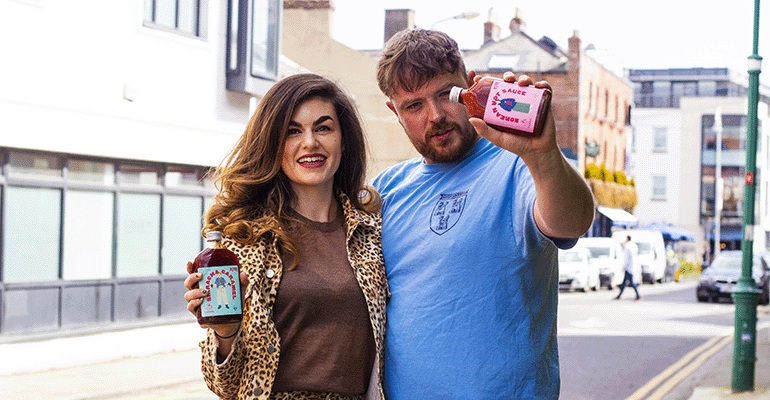
Chimac’s fusion sauces bring Korean flavours to Europe
25 Aug 2026
Irish sauce brand Chimac is tapping into Korea’s culinary traditions, bringing its flavours and products to European consumers who want a taste of K-food.
Read more
Savoury protein snacks shake up the on-the-go market
10 Aug 2026
Sweet flavours have dominated the high-protein snack category but savoury snacks, such as cheese bars and meat sticks, can appeal to health-conscious consumers.
Read more
Nestlé invests in regeneratively farmed wheat for KitKat
5 Aug 2026
Nestlé will pay a premium for Wildfarmed’s regeneratively farmed wheat but the CPG remains reticent to promote the move on packs of its KitKat bars.
Read more
How Secon Taste is putting upcycled snacks on shelves
4 Aug 2026
Hungarian zero-waste startup Secon Taste is turning surplus food into upcycled snacks such as fibre-packed granola, instant porridge, and a circular coffee-tasting box.
Read more
Codex sets global thresholds for ‘may contain’ labels
3 Aug 2026
Codex Alimentarius has adopted its first global guidance on when to use “may contain” allergen warnings, setting thresholds intended to stop the label being used as blanket legal cover.
Read more
EU sets maximum MOAH levels to protect human health
28 Jul 2026
The EU will adopt maximum levels for mineral oil aromatic hydrocarbons (MOAH) in food to protect human health. What do manufacturers need to know?
Read more
UK publishes guidance on SPS food trade agreement with EU
27 Jul 2026
The UK government has shared guidance on how food businesses can prepare for its upcoming Sanitary and Phytosanitary (SPS) agreement with the EU.
Read more
Industry hits back at UK’s proposed healthy food rules
24 Jul 2026
Food brands, including Haribo, have hit out against the UK’s proposed nutrient profiling model, which places a new focus on free sugars that are added during manufacturing.
Read more