
Ingredients Categories
Finished Products
Finished Food Categories
- Bakery
- Beverages / Juices
- Cereal and grain products
- Confectionery
- Cooking Fats & Oils
- Dairy
- Egg products
- Fruits & Vegetables
- Infant & Baby food
- Meat, Poultry & Fish
- Nuts & Seeds products
- Other Finished Food Categories
- Pet Food
- Plant-based foods
- Prepared foods
- Sauces & Seasonings
- Sweet & Savoury Spreads
Specialised Finished Products
- Bee products
- Biotic products
- Dietary supplements
- Energy drinks
- Functional beverages
- Functional confectionery
- Functional food
- Functional powders
- Meal replacement products
- Nutricosmetics
- Other Specialised Finished Products
- Pet Dietary Supplements
- Pharma and OTC products
- Protein products
- Sugar replacers / Sweeteners
Health & Wellness Areas
Delivery Formats
Operations & Services
- 3D printing
- Analysis/ Testing
- Auditing & certifications
- Blending & mixing
- Bottling
- Certification
- Clinical trials
- Co-packing
- Coating
- Consulting
- Contract manufacturing
- Drying
- Electrospinning
- Encapsulating
- Enzymatic processing
- Extracting
- Extrusion
- Fat structuring
- Fermentation
- Filling
- Flavour development
- Freeze drying
- Granulating/ grinding/ milling / mixing
- High-pressure processing
- Labelling
- Other Operations & Services
- Packaging
- Packet filling
- Pasturising
- Quality assurance
- Saccharification
- Shear cell processing
- Spray drying
- Sterilisation
- Storage & Logistics
- Tabletting
- Toasting / roasting
- Ultra-high temperature processing
News
The seed oil backlash: How food and beverage brands are adapting
Rik Moors 9 Jul 2024There is a small but growing anti-seed oil movement, with some consumers perceiving seed oils – such as rapeseed oil and sunflower oil – as harmful for human health, despite the advice of nutritionists and assurances from dietary authorities.
This seed oil scepticism aligns with a broader consumer shift towards greater scrutiny of food ingredients and demands for clean labels.
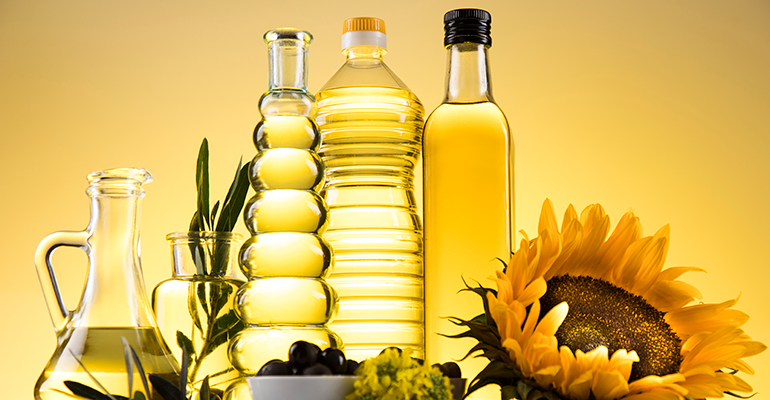
“No seed-oil” certifications, restaurant apps helping people choose dishes free from seed oils, and even some product reformulations that replace seed oils have followed as some brands seek to cater to anti-seed oil sentiment.
As with other food trends, hypes, and scares, there are various ways brands are choosing to navigate a difficult balance between scientific evidence and consumer perceptions.
Supporting a seed-oil free lifestyle
In the past year, several brands and apps have emerged explicitly catering to the anti-seed oil sentiment. The UK’s Primal Kitchen, a CPG brand with a range of condiments, sauces, cooking oils, salad dressings, and pantry staples that primarily targets consumers of a ‘paleo’ diet, offers a range of dipping sauces that prominently feature the "no seed oils" claim.
In a press release announcing its latest range of sauces earlier this year, the brand claimed that the products are “made with real ingredients like avocado oil—no seed oils (no soybean or canola)”.
Similarly, organic baby food company LittleSpoon markets its kid-friendly ‘puffs’ as "carefully avoiding seed oils".
Meanwhile, the Seed Oil Free Alliance, founded in 2023, offers a certification scheme for CPG brands and restaurants that want to make the claim that their food is free from seed oils. It offers a “simple, memorable, trademarked seal that appears on product packaging and in marketing materials [as] both a statement of fact and a provocative conversation starter”. It is not clear if any brands have successfully completed their certification process as of mid-2024.
At least two apps have also been released that help individual consumers identify seed-oil-free sources of nutrition. The Seed Oil Scout app – with the slogan “Dine like your life depends on it” enables consumers to locate restaurants that do not use seed oils. Competitor Seedy has a similar approach, claiming to be “the one stop source for a seed oil-free lifestyle”.
Seedless reformulation
However, the number of brands and resources that have gone all-in on seed oil free claims remains notably niche; the ambition of achieving the same adoption and visibility as ‘non-GMO’ or ‘gluten-free’ thus far remains far out of reach.
Nonetheless, some major brands are responding to broader consumer trends towards clean labels and concerns about ultra-processed foods in ways that occasionally overlap with the anti-seed oil agenda. For example, when Beyond Meat launched its ‘fourth generation’ of the Beyond Burger earlier this year, it replaced canola and coconut oils with avocado oil in its products. The company claims that the change enhances the fat profile and appeals to consumers seeking healthier options.
Similarly, Sweetgreen, a US-based restaurant chain known for its health-focused menu, has transitioned away from using a variety of mainly seed oils in their kitchens to focusing exclusively on extra virgin olive oil for cooking. “[W]e take into account how every ingredient is prepared, down to the oil it’s cooked in,” said Nicolas Jammet, its chief concept officer.
The Oatly strategy: Choice and counternarrative
Oatly is a brand that has a more complicated relationship with seed oils. The plant-based company, known for its oat milk products, recently introduced new formulations in response to broader consumer trends towards clean labels and ultra-processed food concerns.
Oatly Unsweetened Oatmilk and Oatly Super Basic Oatmilk are both marketed as having fewer and simpler ingredients than their traditional offerings. The Super Basic version contains just water, oats, sea salt, and citrus zest fiber. Rapeseed oil – a significant ingredient in most other Oatly products – is notably absent from these new options.
According to Mike Messersmith, president of Oatly North America, “[Oatly’s] new oatmilks were crafted to cater to different consumer preferences, like less calories, no sugar, or fewer ingredients.”
But despite these new offerings, Oatly continues to vigorously defend the nutritional value of the rapeseed oil used in their traditional products, which remain available on the market. On a website designed to feature a large selection of the (online) hate directed at the company, the brand deploys a mixture of humour, transparency, and nutritional science to counter what it calls “‘amateur nutritionists’ – aka people who make catchy TikTok videos and Twitter threads slamming Oatly’s ingredients”.
A significant proportion of the site is dedicated to a tailored selection of Oatly’s community managers’ patient responses to online comments about their use of rapeseed oil – or as one upset customer called it: “rancid oxidised poison”.
Oatly’s strategy of offering consumers a choice between a product with fewer ingredients, while investing significant time and resources into communicating the nutritional justification of maintaining a product line that contains ingredients that are out of favour with the so-called ‘amateur nutritionists’ offers an interesting approach that other food and beverage companies struggling to adapt to the ever more rapidly evolving consumer fears and preferences could draw inspiration from.

Get more of our news on Google
Set Ingredients Network as a 'Preferred Source' to get quicker access to the news you value.
Related news

Do the US dietary guidelines put UPFs under pressure?
10 Sep 2026
Will the US dietary guidelines change the way Americans eat, swapping ultra-processed foods for whole foods? We asked Dr Barry Popkin, renowned nutrition and obesity researcher.
Read more
Food fraud costs UK economy £2bn each year
9 Sep 2026
Food fraud is costing the UK economy up to £2 billion (€2.3 billion) every year although the food sector is more “resilient” than others, according to a recent study.
Read more
Kellogg accelerates work to remove artificial colours from all US cereals
3 Sep 2026
WK Kellogg has announced an accelerated timeline to eliminate all artificial colours and the chemical preservative, BHT, across its full US portfolio of cereals and cereal packaging.
Read more
Skimpflation: An ‘unfair’ and risky approach to keeping prices low
2 Sep 2026
Consumers see skimpflation – reducing the quality of ingredients due to rising costs – as more unfair than shrinkflation, making it a risky strategy according to recent research.
Read more
NielsenIQ’s EU barometer shows Britain leading in grocery inflation
31 Aug 2026
Britain was the only country to record grocery inflation above 2%, according to NielsenIQ data that compared Europe’s five biggest grocery markets from February to May 2026.
Read more
‘Urgent gaps’ in achieving 2030 food system goals
27 Aug 2026
Global food systems are failing to meet 2030 targets across indicators including health, environment, and resilience, according to a report co-authored by the Food and Agriculture Organisation (FAO).
Read more
Chimac’s fusion sauces bring Korean flavours to Europe
25 Aug 2026
Irish sauce brand Chimac is tapping into Korea’s culinary traditions, bringing its flavours and products to European consumers who want a taste of K-food.
Read more
Global demand for instant noodles continues to rise
24 Aug 2026
Global demand for instant noodles reached 124.21 billion servings last year, representing a 0.7% year-on-year increase – or 900 million extra servings.
Read more
Popular barbecue staples experience sharp price increases
19 Aug 2026
The typical cost of US shoppers’ barbecue baskets has risen by 12% over the past year – the fastest annual rise in a decade, figures from The Economist show.
Read more
Hot NPD: Nissin launches first cold-water Cup Noodles
18 Aug 2026
Nissin is taking one of Japan’s most iconic instant meals in a completely new direction with the launch of the first cold water-only Cup Noodles in the brand’s 55-year history.
Read more