
Ingredients Categories
Finished Products
Finished Food Categories
- Bakery
- Beverages / Juices
- Cereal and grain products
- Confectionery
- Cooking Fats & Oils
- Dairy
- Egg products
- Fruits & Vegetables
- Infant & Baby food
- Meat, Poultry & Fish
- Nuts & Seeds products
- Other Finished Food Categories
- Pet Food
- Plant-based foods
- Prepared foods
- Sauces & Seasonings
- Sweet & Savoury Spreads
Specialised Finished Products
- Bee products
- Biotic products
- Dietary supplements
- Energy drinks
- Functional beverages
- Functional confectionery
- Functional food
- Functional powders
- Meal replacement products
- Nutricosmetics
- Other Specialised Finished Products
- Pet Dietary Supplements
- Pharma and OTC products
- Protein products
- Sugar replacers / Sweeteners
Health & Wellness Areas
Delivery Formats
Operations & Services
- 3D printing
- Analysis/ Testing
- Auditing & certifications
- Blending & mixing
- Bottling
- Certification
- Clinical trials
- Co-packing
- Coating
- Consulting
- Contract manufacturing
- Drying
- Electrospinning
- Encapsulating
- Enzymatic processing
- Extracting
- Extrusion
- Fat structuring
- Fermentation
- Filling
- Flavour development
- Freeze drying
- Granulating/ grinding/ milling / mixing
- High-pressure processing
- Labelling
- Other Operations & Services
- Packaging
- Packet filling
- Pasturising
- Quality assurance
- Saccharification
- Shear cell processing
- Spray drying
- Sterilisation
- Storage & Logistics
- Tabletting
- Toasting / roasting
- Ultra-high temperature processing
News
US-Mexico trade tensions rise over Mexico’s GM import ban
17 Apr 2023
As trade tensions rise between Mexico and the US over a Mexican ban on imports of genetically modified (GM) corn, Mexican food safety authorities have announced plans to investigate the presence of GM corn in the country’s tortillas and the risk of eating them.
In 2020 the Mexican government announced plans to ban imports of GM corn and the use of the herbicide glyphosate in order to protect its native crop biodiversity. Under US pressure – Mexico is a major destination for US corn exports – the government watered down this proposal in February this year, removing the deadline to ban imports of GM corn destined for animal feed.
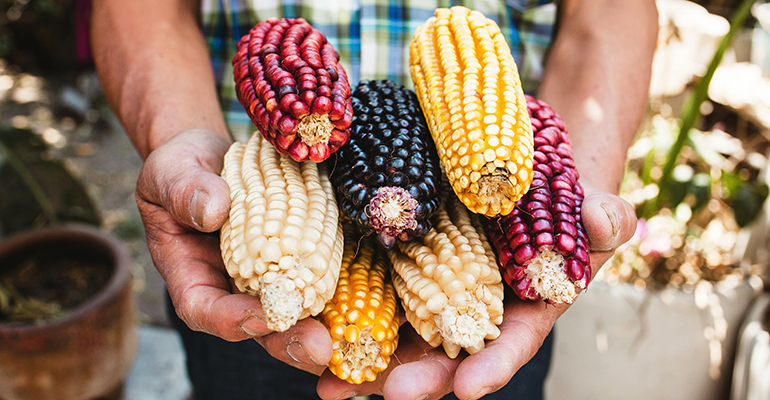
However, the new presidential decree retains the ban on imports of GM corn destined for human consumption and the use of the herbicide glyphosate.
The US opposes the ban, saying it violates terms of the region’s free trade agreement, the United States–Mexico–Canada Agreement (USMCA). On 6 March, the Office of the United States Trade Representative (USTR) announced it had requested formal trade consultations with Mexico under the sanitary and phytosanitary measures chapter of the trade deal in a bid to derail the decree.
Cofepris and Conacyt: ‘Preserving the integrity of Mexicans’ food’
However, the Mexican government seems intent on standing firm. On 10 April, Mexico’s Federal Commission for the Protection against Sanitary Risks (Cofepris) and the National Council of Science and Technology (Conacyt) announced the formation of a working group that, with the National Reference Laboratory, would work to detect the presence of GM corn in dough and tortillas consumed in the country.
The working group has already begun developing technical and analytical capacities to assess the risks of eating GM corn and the risks of glyphosate use to human health, according to a joint statement by the authorities.
“With [this] taskforce, Cofepris and Conacyt strictly adhere to the presidential decree that protects the health of the population and endorse their commitment to preserving the integrity of the main food source of Mexicans,” read a joint statement in Spanish.
“[...] it is essential that the government of Mexico, through the institutions responsible for scientific and technical analysis, ensure that all transgenic maize materials that enter the country are unviable so that they cannot be used as seeds.”
The Mexican decree on banning GM imports takes the country’s anti-GM stance one step further. In 2013, Mexico prohibited the cultivation of GM and gene-edited corn in Mexico in order to preserve the country’s thousands of native corn varieties and protect biodiversity. This was upheld in 2021 by a Supreme Court ruling.
Speaking to Mexican newspaper DW, Viridiana Lázaro from Greenpeace Mexico said: "Transgenic [GM] maize has affected the diversity of this plant in Mexico." Lázaro added that Mexico had 59 known races of native maize and thousands of variants that are being continually diversified. Because corn reproduces through open pollination, pollen from GM plants can fertilise other plants and contaminate native and landrace seeds.
US farmers call for elimination of future trade barrier
The US farming and biotech industry welcomed the news that the US trade office was seeking technical consultations with Mexico on the GM ban.
Ryan LeGrand, president and CEO of the US Grains Council, said the US has had a long and productive relationship with Mexico, which was the number one market for US corn. “We support this action because it will likely be the most expedient way to ensure that positive relationship continues,” he added.
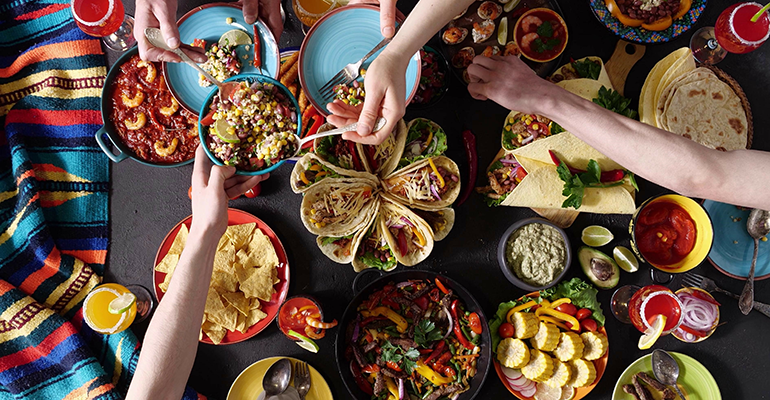 © AdobeStock/Fevziie
Tom Haag, president of the US National Corn Growers Association, said: “We are pleased USTR is taking the next step to hold Mexican officials accountable for the commitments they made under USMCA, which include accepting both biotech and non-biotech commodities.
“Mexico’s position on biotech corn is already creating uncertainty, so we need US officials to move swiftly and do everything it takes to eliminate this trade barrier in the very near future.”
The Biotechnology Innovation Organization said it was time to “send a strong message to the government of Mexico and return to the science-based trading system and obligations to which both our countries committed when we signed the US-Mexico-Canada Agreement”.

Get more of our news on Google
Set Ingredients Network as a 'Preferred Source' to get quicker access to the news you value.
Related news

Kellogg accelerates work to remove artificial colours from all US cereals
3 Sep 2026
WK Kellogg has announced an accelerated timeline to eliminate all artificial colours and the chemical preservative, BHT, across its full US portfolio of cereals and cereal packaging.
Read more
‘Urgent gaps’ in achieving 2030 food system goals
27 Aug 2026
Global food systems are failing to meet 2030 targets across indicators including health, environment, and resilience, according to a report co-authored by the Food and Agriculture Organisation (FAO).
Read more
Chimac’s fusion sauces bring Korean flavours to Europe
25 Aug 2026
Irish sauce brand Chimac is tapping into Korea’s culinary traditions, bringing its flavours and products to European consumers who want a taste of K-food.
Read more
Savoury protein snacks shake up the on-the-go market
10 Aug 2026
Sweet flavours have dominated the high-protein snack category but savoury snacks, such as cheese bars and meat sticks, can appeal to health-conscious consumers.
Read more
Nestlé invests in regeneratively farmed wheat for KitKat
5 Aug 2026
Nestlé will pay a premium for Wildfarmed’s regeneratively farmed wheat but the CPG remains reticent to promote the move on packs of its KitKat bars.
Read more
How Secon Taste is putting upcycled snacks on shelves
4 Aug 2026
Hungarian zero-waste startup Secon Taste is turning surplus food into upcycled snacks such as fibre-packed granola, instant porridge, and a circular coffee-tasting box.
Read more
Codex sets global thresholds for ‘may contain’ labels
3 Aug 2026
Codex Alimentarius has adopted its first global guidance on when to use “may contain” allergen warnings, setting thresholds intended to stop the label being used as blanket legal cover.
Read more
EU sets maximum MOAH levels to protect human health
28 Jul 2026
The EU will adopt maximum levels for mineral oil aromatic hydrocarbons (MOAH) in food to protect human health. What do manufacturers need to know?
Read more
UK publishes guidance on SPS food trade agreement with EU
27 Jul 2026
The UK government has shared guidance on how food businesses can prepare for its upcoming Sanitary and Phytosanitary (SPS) agreement with the EU.
Read more
Industry hits back at UK’s proposed healthy food rules
24 Jul 2026
Food brands, including Haribo, have hit out against the UK’s proposed nutrient profiling model, which places a new focus on free sugars that are added during manufacturing.
Read more