
Ingredients Categories
Finished Products
Finished Food Categories
- Bakery
- Beverages / Juices
- Cereal and grain products
- Confectionery
- Cooking Fats & Oils
- Dairy
- Egg products
- Fruits & Vegetables
- Infant & Baby food
- Meat, Poultry & Fish
- Nuts & Seeds products
- Other Finished Food Categories
- Pet Food
- Plant-based foods
- Prepared foods
- Sauces & Seasonings
- Sweet & Savoury Spreads
Specialised Finished Products
- Bee products
- Biotic products
- Dietary supplements
- Energy drinks
- Functional beverages
- Functional confectionery
- Functional food
- Functional powders
- Meal replacement products
- Nutricosmetics
- Other Specialised Finished Products
- Pet Dietary Supplements
- Pharma and OTC products
- Protein products
- Sugar replacers / Sweeteners
Health & Wellness Areas
Delivery Formats
Operations & Services
- 3D printing
- Analysis/ Testing
- Auditing & certifications
- Blending & mixing
- Bottling
- Certification
- Clinical trials
- Co-packing
- Coating
- Consulting
- Contract manufacturing
- Drying
- Electrospinning
- Encapsulating
- Enzymatic processing
- Extracting
- Extrusion
- Fat structuring
- Fermentation
- Filling
- Flavour development
- Freeze drying
- Granulating/ grinding/ milling / mixing
- High-pressure processing
- Labelling
- Other Operations & Services
- Packaging
- Packet filling
- Pasturising
- Quality assurance
- Saccharification
- Shear cell processing
- Spray drying
- Sterilisation
- Storage & Logistics
- Tabletting
- Toasting / roasting
- Ultra-high temperature processing
News
D’Amazonia launches functional tea to support menopausal women
Simon Pitman, Freelance Journalist 15 Feb 2024Growing awareness about women’s health needs during perimenopause and menopause has prompted a number of brands to start exploring this space, including the recent launch of a functional tea by UK company D’Amazonia.
World Menopause day was launched in 2009 with the backing of the International Menopause Society and the World Health Organization, something that has served to highlight a broad spectrum of health concerns, from hot flushes, skin outbreaks, and sleep disturbances, to more serious conditions such as diabetes, respiratory disease, and dementia.

In response, consumer brands have been paying more attention to the needs of menopausal women, demonstrated by a slew of launches from supplement and beauty brands.
Beauty is ahead of the game; can food catch up?
In beauty, brands have been targeting skincare needs, recognising that women face challenges such as dry skin and diminishing levels of collagen. Brands that have launched in the space during the last couple of years include Stripes, which was founded by Hollywood A-lister Naomi Watts, together with other an ever-growing number of new lines that include The No. 7 Menopause Skincare range from Boots and Vichy Neovadiol.
The food and beverage industry has been slower off the mark but is now starting to play catch-up.
What women drink during the menopause has received particular attention in recent years. Medical experts are increasingly warning menopausal women to limit their alcohol content, with The North American Menopause Society recommending that alcohol consumption be moderate, prompting a search for healthier alternatives.
Menopause functional beverages start to emerge
The industry is answering these needs, with the functional beverage category witnessing the first functional beverage launches, including UK firm Clearly Drinks’ Perfectly ME 4 Menopause soft drink and Hot Tea Mama’s herbal menopausal tea blend.
Adding to these offerings, D’Amazonia has debuted its tea targeting menopausal support. Founded by a mother and daughter team, Poliana and Marcela Tupinamba, the company has had a very specific focus from its inception.
“D'Amazonia has always been a brand with a strong female lens, which helps explain why future launches in 2024 will include a pregnancy support and a collagen-themed, better skin tea,” said Marcela Tupinamba. “In the first instance, D'Amazonia was built around championing a 'better health' agenda.”
D’Amazonia targets the support of women
The business was born when Poliana Tupinamba was diagnosed with osteoporosis, inspiring the pair to embark on a journey to seek out beverages that went beyond the all-too-common energy drinks and coffees. Marcela Tupinamba says that other than providing a short-term energy boost, these types of drinks did not answer the specific health concerns of menopausal women. She also believes that the industry has largely ignored the fact that these women often play a significant socioeconomic role that affords them financial independence.
“This brew is geared both at the perimenopausal and menopausal communities, with menopausal women identified as the fastest growing demographic in the workforce with eight out of 10 menopausal women actively working,” said Marcela Tupinamba.
 © iStock/wundervisuals
“With regards to that socioeconomic group, although it is fair to suggest that we are an all-natural, premium tier range, the affordable 'little luxury' nature of our products should mean that we have broadbrush appeal, that resonates with anyone looking for clean-deck solutions to everyday dilemmas.”
Answering demands for scientific backing
With consumers increasingly wanting proof behind product claims, the D’Amazonia team says that the tea’s creator, formulation expert Dr Jose Carlos Tavares, provides noteworthy scientific backing. Dr Tavares was recently highlighted as one of the world’s most influential scientists by Stanford University and holds a PHD in pharmaceuticals & medicine, together with a pioneering reputation in the field of human biome.
Tavares created a blend that provides nine beneficial ingredients. These include hibiscus, which supports cardiovascular health; rosehip, known for its anti-inflammatory properties; passionflower leaf to provide calmness; and hawthorn to help lower blood pressure.
Before launching its menopausal tea in 2024, D’Amazonia debuted in the functional drinks market by launching three teas in 2021. Each of these blends were created to target digestion, sleep and health & wellness. To date the range has won several awards, including a Nourish Award in 2023 and Gold at the Great British Food Awards, also in 2023.

Get more of our news on Google
Set Ingredients Network as a 'Preferred Source' to get quicker access to the news you value.
Related news

Do the US dietary guidelines put UPFs under pressure?
10 Sep 2026
Will the US dietary guidelines change the way Americans eat, swapping ultra-processed foods for whole foods? We asked Dr Barry Popkin, renowned nutrition and obesity researcher.
Read more
Food fraud costs UK economy £2bn each year
9 Sep 2026
Food fraud is costing the UK economy up to £2 billion (€2.3 billion) every year although the food sector is more “resilient” than others, according to a recent study.
Read more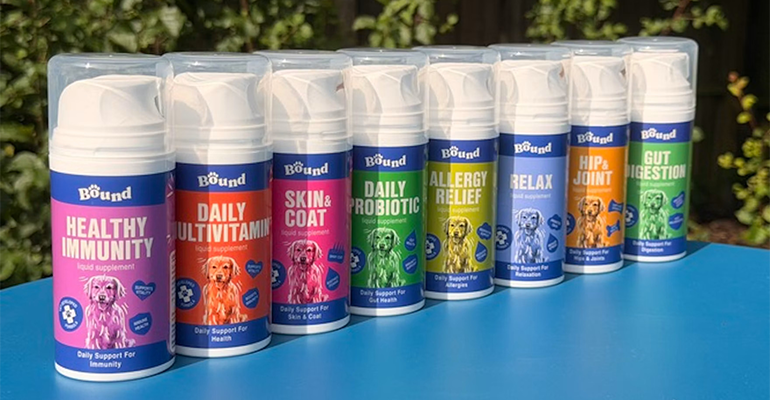
Pump-based liquid pet supplement focuses on health and convenience
8 Sep 2026
Prefera Pet Food uses a plastic pump-based packaging to make administering its liquid supplements for cats and dogs easier, healthier, and more accurate.
Read more
Health and wellness engagement matures across Middle East and Africa
4 Sep 2026
Many consumers in the Middle East and Africa are now proactively engaged in health and wellness, looking to integrate better habits and products into their daily lives, say experts.
Read more
Kellogg accelerates work to remove artificial colours from all US cereals
3 Sep 2026
WK Kellogg has announced an accelerated timeline to eliminate all artificial colours and the chemical preservative, BHT, across its full US portfolio of cereals and cereal packaging.
Read more
Royal Canin launches ‘freshly-cooked’ therapeutic dog food
1 Sep 2026
Mars-owned Royal Canin has moved into the therapeutic diet sector with the launch of its Fresh Veterinary Diets range for dogs with health conditions. We asked a veterinary nutritionist for her opinion.
Read more
‘Urgent gaps’ in achieving 2030 food system goals
27 Aug 2026
Global food systems are failing to meet 2030 targets across indicators including health, environment, and resilience, according to a report co-authored by the Food and Agriculture Organisation (FAO).
Read more
Seven-Eleven uses microbial testing tech to extend katsudon shelf life
26 Aug 2026
Japanese retail company Seven-Eleven has improved its factory’s microbial environment to keep comfort-food staple, katsudon, fresher for longer.
Read more
Chimac’s fusion sauces bring Korean flavours to Europe
25 Aug 2026
Irish sauce brand Chimac is tapping into Korea’s culinary traditions, bringing its flavours and products to European consumers who want a taste of K-food.
Read more
China beverages: Is herbal innovation the future?
20 Aug 2026
Herbal and botanical innovation in China's drinks market continues to grow, with ingredients like astragalus root, ginger, and ginseng in the spotlight – and focus shifting far beyond refreshment.
Read more