
Ingredients Categories
Finished Products
Finished Food Categories
- Bakery
- Beverages / Juices
- Cereal and grain products
- Confectionery
- Cooking Fats & Oils
- Dairy
- Egg products
- Fruits & Vegetables
- Infant & Baby food
- Meat, Poultry & Fish
- Nuts & Seeds products
- Other Finished Food Categories
- Pet Food
- Plant-based foods
- Prepared foods
- Sauces & Seasonings
- Sweet & Savoury Spreads
Specialised Finished Products
- Bee products
- Biotic products
- Dietary supplements
- Energy drinks
- Functional beverages
- Functional confectionery
- Functional food
- Functional powders
- Meal replacement products
- Nutricosmetics
- Other Specialised Finished Products
- Pet Dietary Supplements
- Pharma and OTC products
- Protein products
- Sugar replacers / Sweeteners
Health & Wellness Areas
Delivery Formats
Operations & Services
- 3D printing
- Analysis/ Testing
- Auditing & certifications
- Blending & mixing
- Bottling
- Certification
- Clinical trials
- Co-packing
- Coating
- Consulting
- Contract manufacturing
- Drying
- Electrospinning
- Encapsulating
- Enzymatic processing
- Extracting
- Extrusion
- Fat structuring
- Fermentation
- Filling
- Flavour development
- Freeze drying
- Granulating/ grinding/ milling / mixing
- High-pressure processing
- Labelling
- Other Operations & Services
- Packaging
- Packet filling
- Pasturising
- Quality assurance
- Saccharification
- Shear cell processing
- Spray drying
- Sterilisation
- Storage & Logistics
- Tabletting
- Toasting / roasting
- Ultra-high temperature processing
News
FDA delivers workshop on nutrition regulation and science
Natasha Spencer-Jolliffe, Freelance Journalist 19 Dec 2024The FDA hosted a nutrition regulatory science workshop exploring ultra-processed foods and emerging technologies, aiming to spotlight the relationship between nutrition, science, and evidence-based policies.
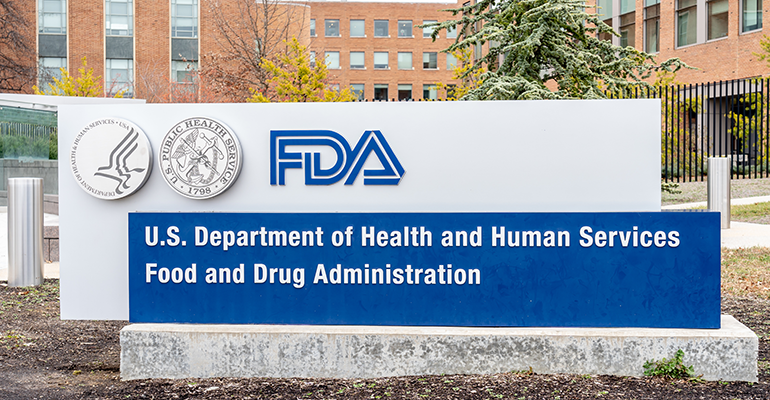
The US Food and Drug Administration (FDA), in partnership with the National Institute of Health (NIH), met between 17 and 18 December 2024 to discuss nutrition laws and the role of science in informing US legislation.
The NIH-FDA Nutrition Regulatory Science Workshop aimed to explore how nutrition science can generate evidence and data to inform food-related policy and regulatory decision-making. It also strived to build additional collaboration between the NIH and the FDA to support research and tackle gaps in nutrition knowledge.
In its statement announcing the workshop, the FDA said it would focus on addressing priority nutrition research gaps. The joint workshop covered various food sector areas, including ultra-processed foods (UPFs), impact analysis and implementation science relating to regulatory actions, and new technological advances that progress nutrition regulatory science.
Progressing food and health laws
The US continues to face high rates of morbidity and mortality from diet-related diseases. In May 2024, researchers exploring the relationship between food policy and health said that in the US, approximately one million people die annually from diet-related chronic diseases.
Rather than slowing down, the prolonged impacts of the COVID-19 pandemic are seeing this figure rise. In 2022, research found that almost 127 million Americans aged 20 and over have a type of cardiovascular disease (CVD), amounting to 37.5% of the US population.
Research and guidance by the World Health Organization (WHO) have found that a poor diet is the leading cause of US mortality and is directly associated with malnutrition and chronic diseases, including CVD, type 2 diabetes (T2D), obesity, and some cancers.
The FDA has stated the importance of improving nutrition to change the tide of diet-related chronic disease. Sodium reduction targets, clear food labelling, healthier diets for young children, and tackling toxic elements in food are all focus areas.
In the 2024 policy brief article entitled US food policy to address diet-related chronic disease, researchers found several policy insights relating to sugar-sweetened beverages (SSBs), food insecurity, UPFs, and unsustainable food systems, and relating to food is medicine for CVD and T2D.
Based on their findings, the researchers stated several policy considerations relating to these insights, including SSB taxation, healthy food subsidies for fruit and vegetables, incentivising healthy and environmentally sustainable climate-smart foods, and incentivising food as medicine interventions.
Overcoming “critical research gaps”
The FDA states that while it uses evidence-based approaches to help advance nutrition and support healthier dietary patterns in the US, critical research gaps and limited awareness of research resources related to nutrition regulatory science remain. It acknowledges that the NIH has invested in various nutrition-related initiatives, research resources, and infrastructure that could drive FDA efforts and provide public health support.
“Research supported by NIH and conducted by NIH scientists has informed FDA nutrition and food labelling policies on trans fat, added sugars, sodium, and other topics,” an FDA spokesperson told Ingredients Network.
The FDA and NIH joint workshop aimed to progress the understanding of how the US legal and scientific landscapes can plug these gaps and respond to their effects. “This workshop will highlight key research questions, evidence gaps, and priorities that could inform future food-related policy and regulatory decisions,” the FDA spokesperson said.
The FDA and NIH workshop had three core objectives. Firstly, it sought to identify critical research gaps and research resources linked to nutrition regulatory science. It also strived to understand how NIH can further support and conduct science that can produce evidence and data to inform food-related policies and regulatory decision-making.
In addition, the workshop aimed to highlight how to conduct nutrition science in a way that can inform food-related policy and regulatory decision-making and provide specific examples of how NIH and FDA would work together to support research that addresses priority research gaps.
Bringing together key voices
The virtual workshop was aimed at a target audience of researchers, public health and healthcare groups, advocates, industry, and the wider public. The workshop included various scientific presentations and moderated panel discussions.
“The US FDA has a long history of working with the NIH on nutrition research and other scientific topics,” said FDA’s spokesperson. Recent examples of workshops the two agencies have hosted include exploring multigenerational nutrition influences on health and disease, the science surrounding the safe use of bioactive ingredients in infant formula and bridging the biological and communication sciences on nutrients and environmental contaminants in foods to support child development.
“Working with our federal partners, including those at NIH, we are part of a whole-of-government approach to help reduce the burden of diet-related chronic disease,” the FDA spokesperson added.

Get more of our news on Google
Set Ingredients Network as a 'Preferred Source' to get quicker access to the news you value.
Related news

Do the US dietary guidelines put UPFs under pressure?
10 Sep 2026
Will the US dietary guidelines change the way Americans eat, swapping ultra-processed foods for whole foods? We asked Dr Barry Popkin, renowned nutrition and obesity researcher.
Read more
Food fraud costs UK economy £2bn each year
9 Sep 2026
Food fraud is costing the UK economy up to £2 billion (€2.3 billion) every year although the food sector is more “resilient” than others, according to a recent study.
Read more
Kellogg accelerates work to remove artificial colours from all US cereals
3 Sep 2026
WK Kellogg has announced an accelerated timeline to eliminate all artificial colours and the chemical preservative, BHT, across its full US portfolio of cereals and cereal packaging.
Read more
Skimpflation: An ‘unfair’ and risky approach to keeping prices low
2 Sep 2026
Consumers see skimpflation – reducing the quality of ingredients due to rising costs – as more unfair than shrinkflation, making it a risky strategy according to recent research.
Read more
NielsenIQ’s EU barometer shows Britain leading in grocery inflation
31 Aug 2026
Britain was the only country to record grocery inflation above 2%, according to NielsenIQ data that compared Europe’s five biggest grocery markets from February to May 2026.
Read more
‘Urgent gaps’ in achieving 2030 food system goals
27 Aug 2026
Global food systems are failing to meet 2030 targets across indicators including health, environment, and resilience, according to a report co-authored by the Food and Agriculture Organisation (FAO).
Read more
Chimac’s fusion sauces bring Korean flavours to Europe
25 Aug 2026
Irish sauce brand Chimac is tapping into Korea’s culinary traditions, bringing its flavours and products to European consumers who want a taste of K-food.
Read more
Global demand for instant noodles continues to rise
24 Aug 2026
Global demand for instant noodles reached 124.21 billion servings last year, representing a 0.7% year-on-year increase – or 900 million extra servings.
Read more
Popular barbecue staples experience sharp price increases
19 Aug 2026
The typical cost of US shoppers’ barbecue baskets has risen by 12% over the past year – the fastest annual rise in a decade, figures from The Economist show.
Read more
Hot NPD: Nissin launches first cold-water Cup Noodles
18 Aug 2026
Nissin is taking one of Japan’s most iconic instant meals in a completely new direction with the launch of the first cold water-only Cup Noodles in the brand’s 55-year history.
Read more