
Ingredients Categories
Finished Products
Finished Food Categories
- Bakery
- Beverages / Juices
- Cereal and grain products
- Confectionery
- Cooking Fats & Oils
- Dairy
- Egg products
- Fruits & Vegetables
- Infant & Baby food
- Meat, Poultry & Fish
- Nuts & Seeds products
- Other Finished Food Categories
- Pet Food
- Plant-based foods
- Prepared foods
- Sauces & Seasonings
- Sweet & Savoury Spreads
Specialised Finished Products
- Bee products
- Biotic products
- Dietary supplements
- Energy drinks
- Functional beverages
- Functional confectionery
- Functional food
- Functional powders
- Meal replacement products
- Nutricosmetics
- Other Specialised Finished Products
- Pet Dietary Supplements
- Pharma and OTC products
- Protein products
- Sugar replacers / Sweeteners
Health & Wellness Areas
Delivery Formats
Operations & Services
- 3D printing
- Analysis/ Testing
- Auditing & certifications
- Blending & mixing
- Bottling
- Certification
- Clinical trials
- Co-packing
- Coating
- Consulting
- Contract manufacturing
- Drying
- Electrospinning
- Encapsulating
- Enzymatic processing
- Extracting
- Extrusion
- Fat structuring
- Fermentation
- Filling
- Flavour development
- Freeze drying
- Granulating/ grinding/ milling / mixing
- High-pressure processing
- Labelling
- Other Operations & Services
- Packaging
- Packet filling
- Pasturising
- Quality assurance
- Saccharification
- Shear cell processing
- Spray drying
- Sterilisation
- Storage & Logistics
- Tabletting
- Toasting / roasting
- Ultra-high temperature processing
News
How will US ban on artificial dyes impact global F&B brands?
Natasha Spencer-Jolliffe, Freelance Journalist 20 May 2025As the US prepares to ban synthetic colourings from the food and beverage (F&B) industry, what will the impact be for brands in Europe and beyond?
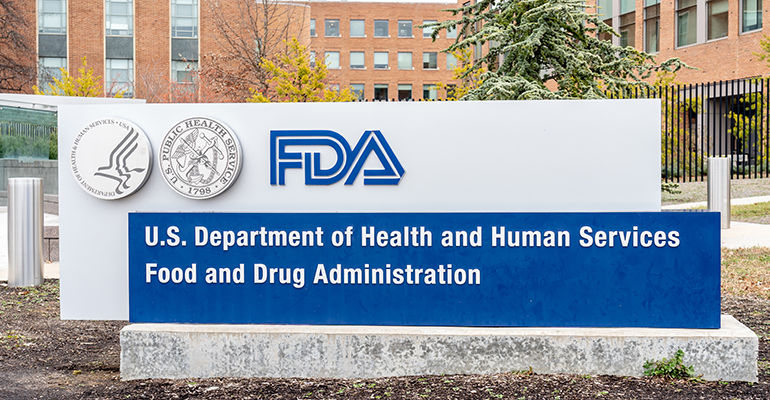
In April, the US Department of Health and Human Services (HHS) and the US Food and Drug Administration (FDA) published plans released a series of new measures to remove all petroleum-based synthetic colourings from the country’s food industry within the next two years.
Phasing out fake dyes from the US supply chain is part of the US administration’s broader three-stage initiative to “Make America Healthy Again”.
“For too long, some food producers have been feeding Americans petroleum-based chemicals without their knowledge or consent,” said HHS Secretary Robert F Kennedy Jr. “These poisonous compounds offer no nutritional benefit and pose real, measurable dangers to our children’s health and development.”
‘Historic moment’ for food and beverage industry
Some brands are hopeful that the move will bring fresh market opportunities.
“This is a historic moment for the food and beverage industry,” Julia Streuli, CEO and co-founder of FUL Foods, a spirulina startup based in the Netherlands, told Ingredients Network.
With the FDA announcing plans to phase out artificial dyes, the foodtech company said it expected to see “explosive growth in the demand for natural alternatives”, calling it more than a trend and instead a fundamental shift.
FDA adopts its phasing-out strategy
Moving away from petrochemical-based dyes to natural alternatives is a key priority for the US food and health departments, which are aiming to establish a national standard and timeline for the food sector to achieve this goal.
The US announced it would ban Red No. 3 dye from food formulations earlier in the year. Following the US decision to revoke manufacturers’ use of the colouring, which is predominantly used in confectionery, bakery, and desserts sectors, it will ask food companies to remove FD&C Red No. 3 sooner than the 2027-28 deadline requested.
The US has now said it will initiate the process to halt authorisation in the coming months on two further synthetic food dyes: Citrus Red No. 2 and Orange B.
Next, the HHS and FDA will collaborate with the food industry to eradicate the six artificial dyes remaining in the food supply. The US government plans to eliminate FD&C Green No. 3, FD&C Red No. 40, FD&C Yellow No. 5, FD&C Yellow No. 6, FD&C Blue No. 1, and FD&C Blue No. 2 colourings by the end of 2025.
As well as removing synthetic dyes from the food sector, the US agency plans to introduce new colour additives. It will authorise four new natural colourings within weeks and advance the review and approval process for other permissible dyes, with the FDA fast-tracking its review process.
Natural ingredients under analysis include calcium phosphate, Galdieria extract blue, gardenia blue, and butterfly pea flower extract.
The US agency will also strive to provide the industry with guidance and “regulatory flexibilities” to support the food sector’s transition from synthetic dyes to natural alternatives.
Gaining an understanding of children’s health and development
Understanding food additives and their impact on health and growth is also part of the US agencies’ plan to remove synthetic dyes.
The HHS and the FDA will partner with the National Institutes of Health (NIH) Nutrition Regulatory Science and Research Program to conduct comprehensive research on how food additives affect children. It aims to improve nutrition and food-related research to influence and drive US regulatory decisions, including evidence-based food policies.
“Today, the FDA is asking food companies to substitute petrochemical dyes with natural ingredients for American children as they already do in Europe and Canada,” said Marty Makary, Commissioner of the FDA.
Building trust, confidence, and credibility
Signalling the US’s ultimate objective is to remove artificial dyes from the food chain, Kennedy said: “That era is coming to an end.”
Building confidence and credibility in the country’s F&B sector is one of the government’s key priorities.
“We’re restoring gold-standard science, applying common sense, and beginning to earn back the public’s trust,” he added.
Taking artificial colourings out of formulation concepts and the R&D pipeline is seen as a necessary step to do this, he said, adding: “And we’re doing it by working with industry to get these toxic dyes out of the foods our families eat every day.”

Get more of our news on Google
Set Ingredients Network as a 'Preferred Source' to get quicker access to the news you value.
Related news

Do the US dietary guidelines put UPFs under pressure?
10 Sep 2026
Will the US dietary guidelines change the way Americans eat, swapping ultra-processed foods for whole foods? We asked Dr Barry Popkin, renowned nutrition and obesity researcher.
Read more
Food fraud costs UK economy £2bn each year
9 Sep 2026
Food fraud is costing the UK economy up to £2 billion (€2.3 billion) every year although the food sector is more “resilient” than others, according to a recent study.
Read more
Kellogg accelerates work to remove artificial colours from all US cereals
3 Sep 2026
WK Kellogg has announced an accelerated timeline to eliminate all artificial colours and the chemical preservative, BHT, across its full US portfolio of cereals and cereal packaging.
Read more
Skimpflation: An ‘unfair’ and risky approach to keeping prices low
2 Sep 2026
Consumers see skimpflation – reducing the quality of ingredients due to rising costs – as more unfair than shrinkflation, making it a risky strategy according to recent research.
Read more
NielsenIQ’s EU barometer shows Britain leading in grocery inflation
31 Aug 2026
Britain was the only country to record grocery inflation above 2%, according to NielsenIQ data that compared Europe’s five biggest grocery markets from February to May 2026.
Read more
‘Urgent gaps’ in achieving 2030 food system goals
27 Aug 2026
Global food systems are failing to meet 2030 targets across indicators including health, environment, and resilience, according to a report co-authored by the Food and Agriculture Organisation (FAO).
Read more
Chimac’s fusion sauces bring Korean flavours to Europe
25 Aug 2026
Irish sauce brand Chimac is tapping into Korea’s culinary traditions, bringing its flavours and products to European consumers who want a taste of K-food.
Read more
Global demand for instant noodles continues to rise
24 Aug 2026
Global demand for instant noodles reached 124.21 billion servings last year, representing a 0.7% year-on-year increase – or 900 million extra servings.
Read more
Popular barbecue staples experience sharp price increases
19 Aug 2026
The typical cost of US shoppers’ barbecue baskets has risen by 12% over the past year – the fastest annual rise in a decade, figures from The Economist show.
Read more
Hot NPD: Nissin launches first cold-water Cup Noodles
18 Aug 2026
Nissin is taking one of Japan’s most iconic instant meals in a completely new direction with the launch of the first cold water-only Cup Noodles in the brand’s 55-year history.
Read more