
Ingredients Categories
Finished Products
Finished Food Categories
- Bakery
- Beverages / Juices
- Cereal and grain products
- Confectionery
- Cooking Fats & Oils
- Dairy
- Egg products
- Fruits & Vegetables
- Infant & Baby food
- Meat, Poultry & Fish
- Nuts & Seeds products
- Other Finished Food Categories
- Pet Food
- Plant-based foods
- Prepared foods
- Sauces & Seasonings
- Sweet & Savoury Spreads
Specialised Finished Products
- Bee products
- Biotic products
- Dietary supplements
- Energy drinks
- Functional beverages
- Functional confectionery
- Functional food
- Functional powders
- Meal replacement products
- Nutricosmetics
- Other Specialised Finished Products
- Pet Dietary Supplements
- Pharma and OTC products
- Protein products
- Sugar replacers / Sweeteners
Health & Wellness Areas
Delivery Formats
Operations & Services
- 3D printing
- Analysis/ Testing
- Auditing & certifications
- Blending & mixing
- Bottling
- Certification
- Clinical trials
- Co-packing
- Coating
- Consulting
- Contract manufacturing
- Drying
- Electrospinning
- Encapsulating
- Enzymatic processing
- Extracting
- Extrusion
- Fat structuring
- Fermentation
- Filling
- Flavour development
- Freeze drying
- Granulating/ grinding/ milling / mixing
- High-pressure processing
- Labelling
- Other Operations & Services
- Packaging
- Packet filling
- Pasturising
- Quality assurance
- Saccharification
- Shear cell processing
- Spray drying
- Sterilisation
- Storage & Logistics
- Tabletting
- Toasting / roasting
- Ultra-high temperature processing
News
Nordic brands must reformulate – or risk losing Keyhole logo
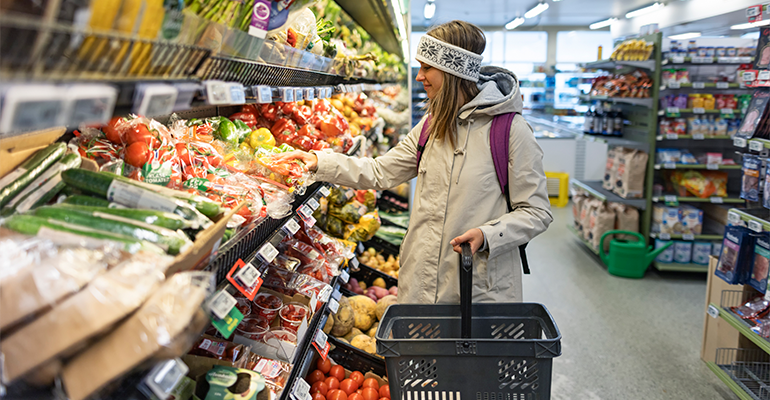
Paul Tucker 23 Nov 2026Updated nutrient thresholds for salt, fibre, and wholegrains means brands using the Nordic region’s healthy eating Keyhole logo may need to reformulate their products.
The Nordic Keyhole food-labelling initiative is being revised to tackle salt consumption and increase wholegrains in diets, with potential impacts on product formulation for enrolled brands.
At a glance:
- Brands in Nordic countries can use the voluntary, on-pack Keyhole logo to indicate their products’ healthiness.
- Recent proposals aim to reduce the salt threshold and increase the fibre and wholegrain levels for participating products.
- Changes should take effect in H2 2027 and brands will have two years to reformulate their products.
The headline changes to the Keyhole system involve salt, wholegrain, and fibre. Some Keyhole-labelled products, including rye bread, cheese, and cooked meats, must now contain less salt. Meanwhile, the requirements for wholegrains and fibre in bread products have been increased.
The Keyhole system, a three decades-old Swedish-led initiative is currently used in Norway, Denmark, Iceland, Sweden, the Faroe Islands, and Lithuania. A voluntary system, it is designed to help consumers choose healthier alternatives.
Nordic nutrition targets: Cutting obesity and salt intake
The measures are part of a wider push by Sweden and its neighbours to tackle unhealthy diets.
A 2025 report by the Nordic Council of Ministers, a regional intergovernmental body, found that 56% of adults and one in five children in the region are obese or overweight, while consumption of fruit, vegetables, and wholegrain foods is declining.
“Diet-related health challenges are widespread across Europe, including the Nordic countries,” said Åsa Brugård Konde, a nutritionist at the Swedish Food Agency. “Overweight and obesity are prevalent, salt consumption remains too high, and whole-grain intake is generally too low. Addressing these challenges is an important public health priority.”
The changes reflect updates to the Nordic Nutrition Recommendations (NNR) made in 2023. These updates were, Brugård Konde said, “evidence-based dietary recommendations grounded in a comprehensive review of the latest scientific evidence.”
“Based on NNR 2023,” she added, “the Nordic countries subsequently revised our national dietary guidelines. To reflect these developments and ensure consistency with the updated recommendations, we also decided to revise the criteria for the Keyhole nutrition label.”
The changes did not only include a tightening of requirements. Also included is a proposal to bring salt, fat, and sugar requirements for plant-based meat alternatives in line with those for corresponding meat products. Currently, the requirements for plant-based products are stricter.
According to the proposals, this “could make it easier for consumers to find Keyhole-labelled alternatives even among plant-based products”.
Reformulate – or risk losing the Keyhole logo
The shifting rules will mean that some products fall foul of the new limits. In such cases, reformulation will be necessary if manufacturers wish to retain the Keyhole logo on their products.
“Focusing on salt and whole grain, we have made some of the criteria stricter,” said Brugård Konde. “The purpose is to encourage food producers to reformulate their products and thereby improve the diet of consumers.”
In response to concerns raised by some manufacturers about the time allowed to transition to comply with the new rules, the Swedish Food Agency extended the transition from 18 months to 24 months. The Agency expects the changes to come into effect in the second half of 2027; manufacturers would then have two years to update formulations.
Consultation continues via EU members
The proposals were developed by authorities in Sweden, Denmark, Norway, and Iceland as part of a process that included consultation with food manufacturers and other bodies. According to the Swedish Food Agency, the changes include “simplifications” to make the Keyhole more straightforward for both companies and consumers.
This proposals were sent to the EU in early October, opening the proposed changes to comments from other member states.
“While we do not anticipate any major concerns, we remain open to feedback and are prepared to consider any comments received,” said Brugård Konde.

Get more of our news on Google
Set Ingredients Network as a 'Preferred Source' to get quicker access to the news you value.
Related news

Beauty from within tipped to be top food trend in 2027
19 Nov 2026
Beauty from within is tipped to be a major food trend in 2027, according to Mintel and Whole Foods, as the lines between beauty, wellness, and nutrition blur.
Read more
Industry bodies demand stronger EU action on unfair trading practices
12 Nov 2026
Trade representatives FoodDrinkEurope and EFFAT have united to call for tougher rules on unfair trading practices across the EU’s food supply chain.
Read more
Supermarket cyber-attacks: How can retailers protect themselves?
11 Nov 2026
Cyber-attacks have hit supermarket refrigeration systems across Europe in recent weeks, highlighting the need for a coordinated response to cybercrime, says one expert.
Read more
China bets big on AI to ‘reshape’ the global agri-food system
10 Nov 2026
Leveraging AI is part of the Chinese government’s six-point consensus to deliver on its agri-food ambitions.
Read more
Could dropping several products make an entire food portfolio healthier and more sustainable?
5 Nov 2026
Researchers found that for some UK food manufacturers, swapping 10% or less of product lines could deliver more than 50% of potential nutritional quality or sustainability gains.
Read more
How manufacturers can reduce food loss in factory operations
4 Nov 2026
Small factory inefficiencies can send valuable ingredients down the drain, resulting in losses and prompting the sector to audit its waste-reduction methods. What solutions exist?
Read more
UK private label market ‘at its strongest yet’
2 Nov 2026
The UK's private label market is strong, but future success relies on smart own-label product design, innovative launches, and strong storytelling, says a marketing expert.
Read more
Organic for all: European retailers expand organic ranges and cut prices
29 Oct 2026
The organic category has “huge potential” in the UK, says premium retailer M&S, as Lidl also expands its range and reduces prices in Denmark.
Read more
Pressure grows on UK-EU SPS deal that promises price drops
27 Oct 2026
A new Sanitary and Phytosanitary (SPS) agreement could cut red tape and reduce costs, reviving agri-food trade between the UK and EU – but there are headaches on the horizon.
Read more
Manufacturers face volatility as food prices near four-year high
21 Oct 2026
Commodity pressures are mounting with the Food and Agriculture Organization’s (FAO) Food Price Index reaching its highest level since 2022.
Read more