
Ingredients Categories
Finished Products
Finished Food Categories
- Bakery
- Beverages / Juices
- Cereal and grain products
- Confectionery
- Cooking Fats & Oils
- Dairy
- Egg products
- Fruits & Vegetables
- Infant & Baby food
- Meat, Poultry & Fish
- Nuts & Seeds products
- Other Finished Food Categories
- Pet Food
- Plant-based foods
- Prepared foods
- Sauces & Seasonings
- Sweet & Savoury Spreads
Specialised Finished Products
- Bee products
- Biotic products
- Dietary supplements
- Energy drinks
- Functional beverages
- Functional confectionery
- Functional food
- Functional powders
- Meal replacement products
- Nutricosmetics
- Other Specialised Finished Products
- Pet Dietary Supplements
- Pharma and OTC products
- Protein products
- Sugar replacers / Sweeteners
Health & Wellness Areas
Delivery Formats
Operations & Services
- 3D printing
- Analysis/ Testing
- Auditing & certifications
- Blending & mixing
- Bottling
- Certification
- Clinical trials
- Co-packing
- Coating
- Consulting
- Contract manufacturing
- Drying
- Electrospinning
- Encapsulating
- Enzymatic processing
- Extracting
- Extrusion
- Fat structuring
- Fermentation
- Filling
- Flavour development
- Freeze drying
- Granulating/ grinding/ milling / mixing
- High-pressure processing
- Labelling
- Other Operations & Services
- Packaging
- Packet filling
- Pasturising
- Quality assurance
- Saccharification
- Shear cell processing
- Spray drying
- Sterilisation
- Storage & Logistics
- Tabletting
- Toasting / roasting
- Ultra-high temperature processing
News
Manufacturers face volatility as food prices near four-year high
Natasha Spencer-Jolliffe, Freelance Journalist 21 Oct 2026Commodity pressures are mounting with the Food and Agriculture Organization’s (FAO) Food Price Index reaching its highest level since 2022.
In September 2026, the FAO Food Price Index (FFPI) grew to 136 points, up two points or 1.5% compared to August 2026, the UN announced. The FFPI, which provides a monthly measure of global food prices compared to average prices, is a key indicator of inflation.
At a glance:
- The United Nations’ FAO Food Price Index nears a four-year high but remains below the peak level of March 2022.
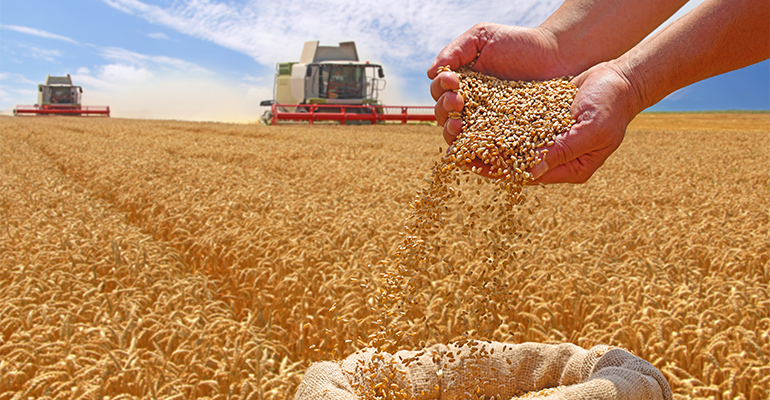
- Global food prices are rising, with sugar, cereals, and vegetable oils key ingredients to watch.
- Volatility is driven by overlapping risks, including weather, logistics, geopolitics, and energy.
The latest FFPI figures, which sit at a base level of 100, show global food prices are nearing a four-year high. At 136, the index is at its highest level since November 2022 and has risen for several consecutive months. However, it is still significantly lower than its peak in March 2022, when the FFPI sat at around 160 after Russia invaded Ukraine.
“The recent increase tells us that cost pressures are once again building at the commodity level,” Monika Tothova, senior economist who leads the Food Price Index team at the FAO, told Ingredients Network.
“For downstream processors and food manufacturers, the message is less about today's prices and more about the direction of travel and the risks ahead,” said Tothova.
What rising costs mean for manufacturers
Many food and drink manufacturers, particularly larger companies, secure requirements through longer-term contracts, forward purchases, or other price-risk management strategies. Increases in international commodity prices do not therefore automatically translate into higher input costs overnight.
However, managing price risk is a core part of procurement strategies across the food industry. Hedging exposure, diversifying suppliers, securing volumes in advance, or locking in prices can cushion the impact of short-term market fluctuations.
Increased volatility in commodity markets or elevated prices that persist for an extended period disrupt food manufacturers’ ability to maintain these projections. They become more costly and complex, impacting operations and supply chain management.
Not just a natural part of the food inflation cycle
“Whether and to what extent higher commodity prices are eventually passed along the value chain will vary by product, market, and country,” Tothova said.
“I would be cautious about describing the current situation as a classic food inflation cycle,” she added.
Instead, the FAO’s observation of rising food prices is the result of several factors converging, many of them originating outside food markets. Weather risks, energy markets, logistics disruptions, geopolitical tensions and commodity-specific supply-and-demand conditions are all interacting simultaneously.
Weather concerns have resurfaced across several producing regions, affecting production prospects for key crops. Markets also remain sensitive to disruptions in trade and logistics, particularly regarding Black Sea exports and uncertainty over major shipping routes.
Energy markets are also part of the story. Agriculture remains heavily dependent on fuel and fertilisers, and developments in energy markets tend to work their way through production costs, transportation costs and, then impact commodity prices.
“More recently, concerns regarding freight rates, fuel prices, and fertiliser availability have all contributed to a less comfortable market environment,” Tothova said.
Ingredients at risk: Cereals, vegetable oils, and sugar
Several ingredients are the most exposed to these price increases. “I would point first to cereals, vegetable oils and sugar, as these have been among the main drivers of recent increases in international food commodity prices,” Tothova said. These could ultimately raise the cost base for many processed food and drink products.
The FAO’s price index shows sugar is up by 6.1% from August 2026 and 14.7% from figures 12 months ago. The UN has attributed its price hike to global production conditions, including Thailand’s decreasing sugar production, Brazil’s heavy rainfall, and India’s below-normal rainfall.
It is a similar story for the FAO’s cereal price index too, increasing by 5.1% since August 2026 and 17.2% from September 2025. Logistical constraints on Black Sea exports and weather concerns in key regions are affecting wheat. Tighter supply prospects, lower export availability from some sources, and continued biofuel demand are impacting maize.
Vegetable oils are another market to watch closely due to the position at the intersection of food, energy and biofuel markets.
Adopt a broad risk management strategy
“I would encourage not to focus exclusively on individual commodities,” Tothova said.
Developments in fertiliser, fuel and freight markets often provide important signals about where agricultural commodity markets may be heading.
Agriculture is an input-intensive sector, so rising fertiliser prices, higher energy costs or disruptions to shipping can affect production costs. “They can also reflect market sentiment significantly before their full impact becomes visible in food commodity prices,” added Tothova.
Packaging materials face the same prospect, as many inputs are closely linked to energy markets and industrial raw material costs. Manufacturers can experience a changing cost environment despite agricultural commodity prices remaining relatively stable.
“Perhaps the bigger issue over the next 12 months is not any single commodity, but the fact that several sources of uncertainty are present at the same time,” said Tothova.

Get more of our news on Google
Set Ingredients Network as a 'Preferred Source' to get quicker access to the news you value.
Related news

Brazil pushes forward on restricting ultra-processed foods
14 Oct 2026
The Brazilian government is pushing ahead with its proposal calling on the World Health Organization (WHO) to restrict the marketing of ultra-processed foods – a move causing a mixed response.
Read more
UK biscuit maker pladis targets Chinese snack market for growth
6 Oct 2026
Pladis, the maker of iconic British biscuit brand McVitie’s, aims to boost disappointing profits by targeting China with products tailored to Chinese preferences.
Read more
Reinventing soda: Zero sugar, functional benefits, and new indulgence
30 Sep 2026
Zero-sugar, functional, and indulgent sodas are redefining what a carbonated soft drink can offer in today’s evolving market.
Read more
Is creatine going mainstream in food and drink formulation?
24 Sep 2026
The functional ingredient creatine is gaining traction in the food and drink industry, as brands ramp up production investment and explore new applications.
Read more
Is the FAO’s industrial aquaculture push harming ecosystems?
21 Sep 2026
The Food and Agriculture Organization (FAO) is promoting industrial aquaculture but campaigners say it creates toxic pollution and threatens food sovereignty.
Read more
Immunity, wellness, and nutrition: Nutraceutical promise in the Middle East and Africa
17 Sep 2026
Nutraceuticals continue to gain ground across the Middle East and Africa with vitamins, probiotics, and functional drinks doing particularly well, says Euromonitor.
Read more
Do the US dietary guidelines put UPFs under pressure?
10 Sep 2026
Will the US dietary guidelines change the way Americans eat, swapping ultra-processed foods for whole foods? We asked Dr Barry Popkin, renowned nutrition and obesity researcher.
Read more
Health and wellness engagement matures across Middle East and Africa
4 Sep 2026
Many consumers in the Middle East and Africa are now proactively engaged in health and wellness, looking to integrate better habits and products into their daily lives, say experts.
Read more
Skimpflation: An ‘unfair’ and risky approach to keeping prices low
2 Sep 2026
Consumers see skimpflation – reducing the quality of ingredients due to rising costs – as more unfair than shrinkflation, making it a risky strategy according to recent research.
Read more
‘Urgent gaps’ in achieving 2030 food system goals
27 Aug 2026
Global food systems are failing to meet 2030 targets across indicators including health, environment, and resilience, according to a report co-authored by the Food and Agriculture Organisation (FAO).
Read more