
Ingredients Categories
Finished Products
Finished Food Categories
- Bakery
- Beverages / Juices
- Cereal and grain products
- Confectionery
- Cooking Fats & Oils
- Dairy
- Egg products
- Fruits & Vegetables
- Infant & Baby food
- Meat, Poultry & Fish
- Nuts & Seeds products
- Other Finished Food Categories
- Pet Food
- Plant-based foods
- Prepared foods
- Sauces & Seasonings
- Sweet & Savoury Spreads
Specialised Finished Products
- Bee products
- Biotic products
- Dietary supplements
- Energy drinks
- Functional beverages
- Functional confectionery
- Functional food
- Functional powders
- Meal replacement products
- Nutricosmetics
- Other Specialised Finished Products
- Pet Dietary Supplements
- Pharma and OTC products
- Protein products
- Sugar replacers / Sweeteners
Health & Wellness Areas
Delivery Formats
Operations & Services
- 3D printing
- Analysis/ Testing
- Auditing & certifications
- Blending & mixing
- Bottling
- Certification
- Clinical trials
- Co-packing
- Coating
- Consulting
- Contract manufacturing
- Drying
- Electrospinning
- Encapsulating
- Enzymatic processing
- Extracting
- Extrusion
- Fat structuring
- Fermentation
- Filling
- Flavour development
- Freeze drying
- Granulating/ grinding/ milling / mixing
- High-pressure processing
- Labelling
- Other Operations & Services
- Packaging
- Packet filling
- Pasturising
- Quality assurance
- Saccharification
- Shear cell processing
- Spray drying
- Sterilisation
- Storage & Logistics
- Tabletting
- Toasting / roasting
- Ultra-high temperature processing
News
Shifting trends: Analysing the impact of high inflation in India
25 Jul 2022
Despite food and beverage categories in India feeling the pinch of increasing inflation, the overall outlook remains upbeat as governmental support steps in and evolving consumer purchasing patterns shape the sector.
In April 2022, India’s retail inflation rate reached 7.8%, the highest it has hit in eight years. Yet, despite this alarming inflation statistic, data analytics and brand consulting company Kantar reports positive levels of consumer confidence and optimism. The company suggests the country’s positive outlook may be in response to India’s relatively mild third wave of Covid-19.
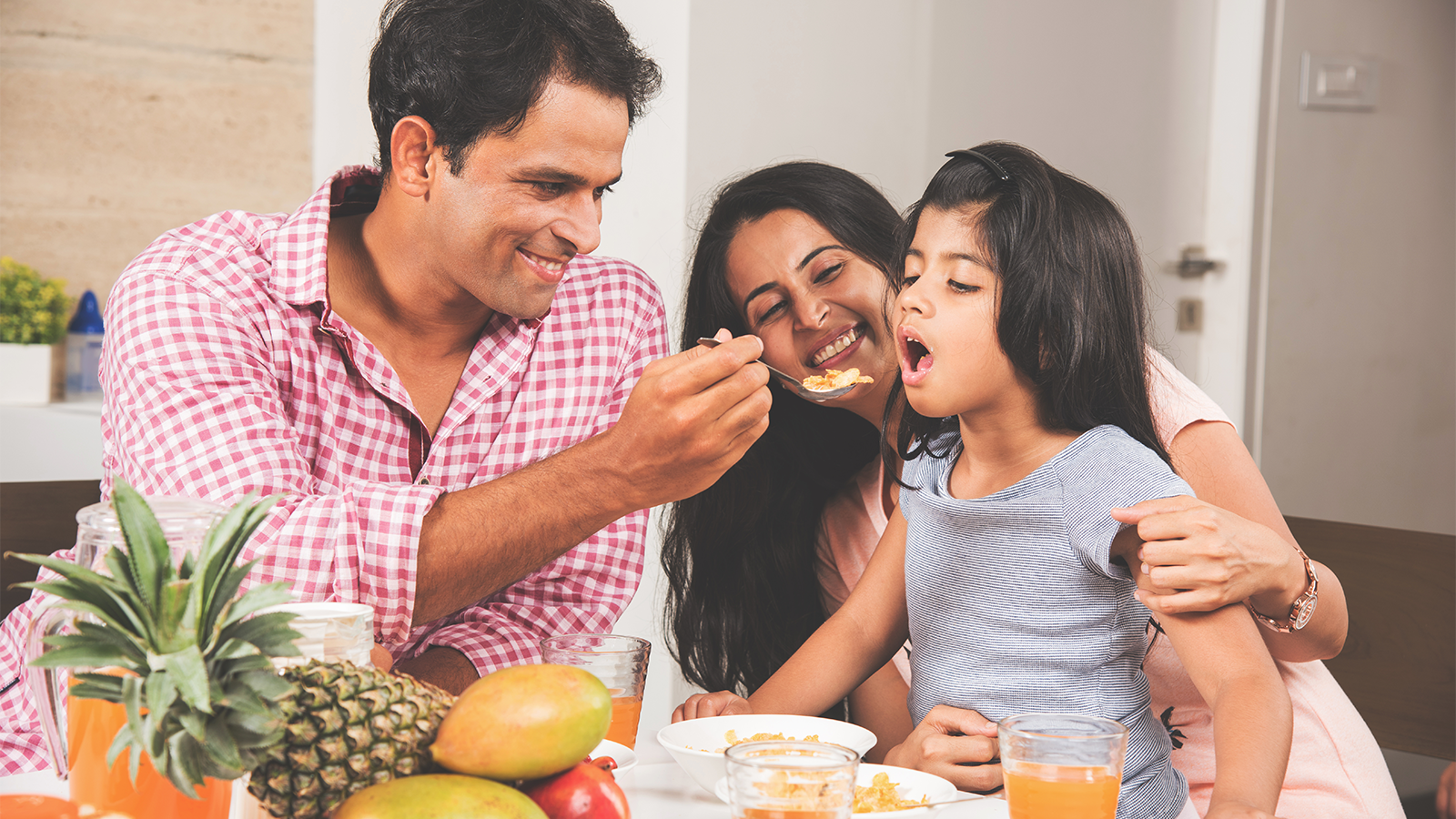
“We see diverse trends being displayed in the market when it comes to food and beverages in India,” says K Ramakrishnan, managing director of South Asia, Worldpanel Division at Kantar, in response to how the country’s market is initially reacting to its high inflation rate.
Staple food and beverage categories are seeing a slowdown or a loss in volume compared to last year, with figures revealing a 4% growth in the year ending May 2021 compared with a reduction of 6% in the year ending May 2022.
Three main factors influencing industry response to inflation
There are three leading drivers impacting India’s food and beverage sector’s response to its high level of inflation, Ramakrishnan says.
Governmental support is a crucial driving factor. The central government has offered free food grains to nearly 80 million households under its Pradhan Mantri Garib Kalyan Anna Yojana (PMGKAY) scheme. Under the scheme, the government provides each household with five kilograms of free food grains per month. As a result, the purchase of flour (Atta) declined by 24% in May 2022, Ramakrishnan says.
Consumers are also forming new habits. “The snacking categories have benefitted immensely due to the pandemic,” says Ramakrishnan. With people sitting at home during the initial parts of the pandemic, additional snacking occasions formed in households.
For example, about 389g of noodles were purchased per household per month on average in India before the pandemic. In the first 12 months of the pandemic, this number jumped to 416g, and this was maintained at 413g in the following 12 months. Kantar can see similar behaviour with other snacking categories, says Ramakrishnan.
Pent-up demand is also a prominent influence in the food and beverage sector in India. The first wave of the pandemic, from March 2020 to December 2020, and the second wave, from March 2021 to June 2021, both occurred during summer, the peak season for soft drinks in India. “As a result, purchases of this category suffered significantly in both seasons,” says Ramakrishnan. With 2022 being “relatively normal”, Ramakrishnan says the category bounced back significantly, which is reflected in its 47% growth in the year ending 2022.
Behavioural responses to the high inflation rates currently experienced in India are pretty consistent throughout the country, Ramakrishnan notes. “Rural markets fare slightly better than the urban markets, but directionally they behave the same,” says Ramakrishnan.
The decline of staple categories
With the popularity of staple categories decreasing, Kantar has identified key reasons for its lack of uptake.
Along with the government’s financial support, Indian consumers are also experiencing fewer cooking occasions. During the year ending May 2021, most of India was in lockdown for the majority of the 12-month period. Schools were closed, offices largely remained shut and restaurants were only allowed to deliver within specific periods.
“As a result, we know qualitatively that the number of in-home cooking occasions has surged,” says Ramakrishnan. The uncertainty around lockdowns and the many households that were buying staples in bulk added to this changing trend. These categories largely benefitted in the first pandemic year, Ramakrishnan shares.
However, as things settled down and people became more aware of the situation, the stock levels reduced. Additionally, with restaurants, schools and offices opening up during the second year, the occasions of in-home cooking also lowered. Therefore, staples have seen a decline.
Edible oil prices have also contributed to the loss in popularity of staple categories. Edible oils, which were growing at a good 3% in March-May of 2021, have lost by -0.2% in volume in March-May of 2022. A good part of this is also due to the 10% average price hike the industry saw in the category across different oil types, Ramakrishnan says.
“We do not see a significant decline in edible oil consumption because, in India, most households typically use multiple oil types,” says Ramakrishnan. Examples used include sunflower, mustard, and rice bran. In addition, the proportion of unbranded oils, where local oil mills extract oil from seeds and sell it, is also significant as nearly 41% of Indian households buy these unbranded oils.
Consumers likely to buy more local & unbranded products
Market stress will be present over the next six to nine months, Ramakrishnan says. “The government supporting low-income households with free food grains is helping fast-moving consumer goods (FMCG) to an extent because price rise has become somewhat manageable with these food grains being guaranteed,” says Ramakrishnan. “The purchase of foods and beverages itself is not going to suffer, however, consumers are likely to try out more local and unbranded products to keep their budgets in check,” Ramakrishnan adds.
Kantar also expects to see consumers purchasing as and when required instead of making monthly purchases. With most of the country not being salaried monthly, adopting this behaviour would help households shop as they earn. “Therefore, we anticipate the growth of small packs in the food categories,” says Ramakrishnan.

Get more of our news on Google
Set Ingredients Network as a 'Preferred Source' to get quicker access to the news you value.
Related news

Skimpflation: An ‘unfair’ and risky approach to keeping prices low
2 Sep 2026
Consumers see skimpflation – reducing the quality of ingredients due to rising costs – as more unfair than shrinkflation, making it a risky strategy according to recent research.
Read more
NielsenIQ’s EU barometer shows Britain leading in grocery inflation
31 Aug 2026
Britain was the only country to record grocery inflation above 2%, according to NielsenIQ data that compared Europe’s five biggest grocery markets from February to May 2026.
Read more
‘Urgent gaps’ in achieving 2030 food system goals
27 Aug 2026
Global food systems are failing to meet 2030 targets across indicators including health, environment, and resilience, according to a report co-authored by the Food and Agriculture Organisation (FAO).
Read more
China beverages: Is herbal innovation the future?
20 Aug 2026
Herbal and botanical innovation in China's drinks market continues to grow, with ingredients like astragalus root, ginger, and ginseng in the spotlight – and focus shifting far beyond refreshment.
Read more
Popular barbecue staples experience sharp price increases
19 Aug 2026
The typical cost of US shoppers’ barbecue baskets has risen by 12% over the past year – the fastest annual rise in a decade, figures from The Economist show.
Read more
Beyond 'nice to have': A spotlight on US functional beverages
12 Aug 2026
Functional beverage interest in the US is gaining important ground as consumers now expect function rather than see it as "nice to have", and there are clear market gaps for growth, according to Spate.
Read more
Manam Chocolate aims to bring premium Indian cacao to 'the world stage'
11 Aug 2026
Craft chocolate brand Manam Chocolate is investing in local expansion and supply chain innovation throughout India as it works to build out the premium reputation of its locally produced cacao products.
Read more
Digital twin technology gains ground in food manufacturing
6 Aug 2026
Food and beverage companies are increasingly turning to digital twins to optimise and automate manufacturing processes, but opportunities stretch far beyond this, say experts.
Read more
How Secon Taste is putting upcycled snacks on shelves
4 Aug 2026
Hungarian zero-waste startup Secon Taste is turning surplus food into upcycled snacks such as fibre-packed granola, instant porridge, and a circular coffee-tasting box.
Read more
Codex sets global thresholds for ‘may contain’ labels
3 Aug 2026
Codex Alimentarius has adopted its first global guidance on when to use “may contain” allergen warnings, setting thresholds intended to stop the label being used as blanket legal cover.
Read more