
Ingredients Categories
Finished Products
Finished Food Categories
- Bakery
- Beverages / Juices
- Cereal and grain products
- Confectionery
- Cooking Fats & Oils
- Dairy
- Egg products
- Fruits & Vegetables
- Infant & Baby food
- Meat, Poultry & Fish
- Nuts & Seeds products
- Other Finished Food Categories
- Pet Food
- Plant-based foods
- Prepared foods
- Sauces & Seasonings
- Sweet & Savoury Spreads
Specialised Finished Products
- Bee products
- Biotic products
- Dietary supplements
- Energy drinks
- Functional beverages
- Functional confectionery
- Functional food
- Functional powders
- Meal replacement products
- Nutricosmetics
- Other Specialised Finished Products
- Pet Dietary Supplements
- Pharma and OTC products
- Protein products
- Sugar replacers / Sweeteners
Health & Wellness Areas
Delivery Formats
Operations & Services
- 3D printing
- Analysis/ Testing
- Auditing & certifications
- Blending & mixing
- Bottling
- Certification
- Clinical trials
- Co-packing
- Coating
- Consulting
- Contract manufacturing
- Drying
- Electrospinning
- Encapsulating
- Enzymatic processing
- Extracting
- Extrusion
- Fat structuring
- Fermentation
- Filling
- Flavour development
- Freeze drying
- Granulating/ grinding/ milling / mixing
- High-pressure processing
- Labelling
- Other Operations & Services
- Packaging
- Packet filling
- Pasturising
- Quality assurance
- Saccharification
- Shear cell processing
- Spray drying
- Sterilisation
- Storage & Logistics
- Tabletting
- Toasting / roasting
- Ultra-high temperature processing
News
What does the UK’s healthy food standard mean for manufacturers and supermarkets?
David Burrows, Freelance Journalist 25 Jul 2025The UK Government has introduced a “healthy food standard” for large food businesses. What will the impact be for industry?
As part of its 10-year health plan for England, food companies including Tesco, Sainsbury’s, Nestlé, Danone, and Mars will have to adhere to the standard to make the average shopping basket of goods sold “slightly healthier”.
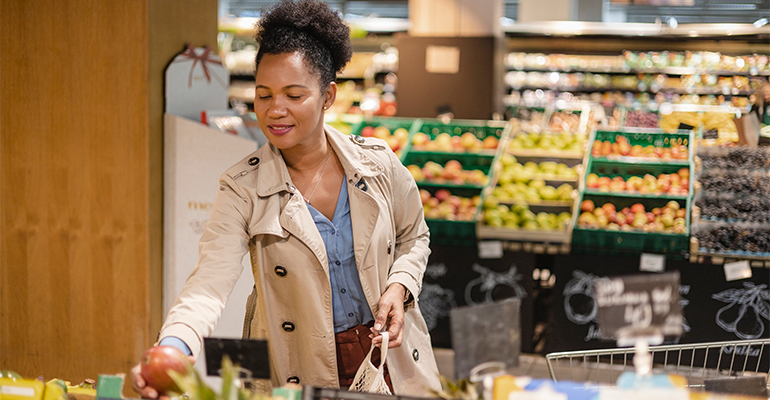
Many food manufacturers and retailers welcomed the news, pointing to the need for a level playing field on reporting – but representatives of fast food and pub chains appeared less convinced by the approach.
Campaigners, meanwhile, noted that this reflects a major step towards a prevention-first model for the National Health Service (NHS).
“This is a fair and evidence-based prescription for better health,” said Katharine Jenner, director of the Obesity Health Alliance, adding that it “puts the spotlight on the food industry and commits to holding it accountable for providing healthier options, rather than placing the burden on individuals who are already struggling to get by”.
Plan hoped to tackle soaring obesity rates
The UK has the third-highest rate of obesity in Europe, costing the NHS £11.4 billion a year, according to the UK Government – three times the NHS budget for ambulance services. Public health experts believe cutting the calorie count of a daily diet by just 50 calories would lift 340,000 children and two million adults out of obesity.
A study from UK charity Nesta claimed that if everyone who is overweight reduced their calorie intake by just 216 calories a day – equivalent to a single bottle of fizzy drink – obesity would be halved.
The 10-year plan highlights some of the company-led initiatives already in place. Danone, for example, has committed to never introducing a high fat, salt or sugar product targeted at children. Sainsbury’s runs a “Great fruit and veg challenge”, promoting fresh produce.
But the plan also notes that these have too often been the exception rather than the rule.
Reporting rules
The first part of the new standard will be reporting on healthy food sales. Targets will then be set to increase the healthy sales within the average basket. How the supermarkets meet the targets will be left up to them – with possible solutions including changes to store layouts or adjusting loyalty points in favour of healthier products and promotions.
A basket of healthy food costs more than double that of less healthy options, according to recent research by the Food Foundation, with 1,000 calories of healthy food such as fruit and veg costing £8.80, compared to £4.30 for the equivalent amount of less healthy food, such as ready meals and processed meats.
The foundation’s chief executive, Anna Taylor, said the government’s new announcement marked real momentum.
“We’ve been on this one for four years – and it’s a gamechanger,” she added.
Health Secretary Wes Streeting said the new strategy was "radically different" from the previous government’s "nanny state approach of dictating to people the prices, the marketing" and instead worked “with supermarkets” to encourage healthier eating. The shadow cabinet suggested the plans amounted to “hiding the crisps”.
UKHospitality, which represents many fast food chains, as well as pubs and hotels, warned of “red tape and costs stifling the sector”, raising concerns that time spent eating out could be tainted if people could not treat themselves. The organisation also questioned the benefits of “imposing random, mandatory targets for businesses that will not deliver genuine change”.
Meanwhile, the Food and Drink Federation, which represents manufacturers in the UK, welcomed mandatory reporting and said it “looked forward” to “working in partnership with government to build a healthier future”.
FDF said last year businesses invested £180 million in R&D to develop healthier products. As a result, FDF members’ products now have 31% less salt, 30% less sugar, and 24% fewer calories compared to a decade ago.

Get more of our news on Google
Set Ingredients Network as a 'Preferred Source' to get quicker access to the news you value.
Related news

Do the US dietary guidelines put UPFs under pressure?
10 Sep 2026
Will the US dietary guidelines change the way Americans eat, swapping ultra-processed foods for whole foods? We asked Dr Barry Popkin, renowned nutrition and obesity researcher.
Read more
Food fraud costs UK economy £2bn each year
9 Sep 2026
Food fraud is costing the UK economy up to £2 billion (€2.3 billion) every year although the food sector is more “resilient” than others, according to a recent study.
Read more
Kellogg accelerates work to remove artificial colours from all US cereals
3 Sep 2026
WK Kellogg has announced an accelerated timeline to eliminate all artificial colours and the chemical preservative, BHT, across its full US portfolio of cereals and cereal packaging.
Read more
Skimpflation: An ‘unfair’ and risky approach to keeping prices low
2 Sep 2026
Consumers see skimpflation – reducing the quality of ingredients due to rising costs – as more unfair than shrinkflation, making it a risky strategy according to recent research.
Read more
NielsenIQ’s EU barometer shows Britain leading in grocery inflation
31 Aug 2026
Britain was the only country to record grocery inflation above 2%, according to NielsenIQ data that compared Europe’s five biggest grocery markets from February to May 2026.
Read more
‘Urgent gaps’ in achieving 2030 food system goals
27 Aug 2026
Global food systems are failing to meet 2030 targets across indicators including health, environment, and resilience, according to a report co-authored by the Food and Agriculture Organisation (FAO).
Read more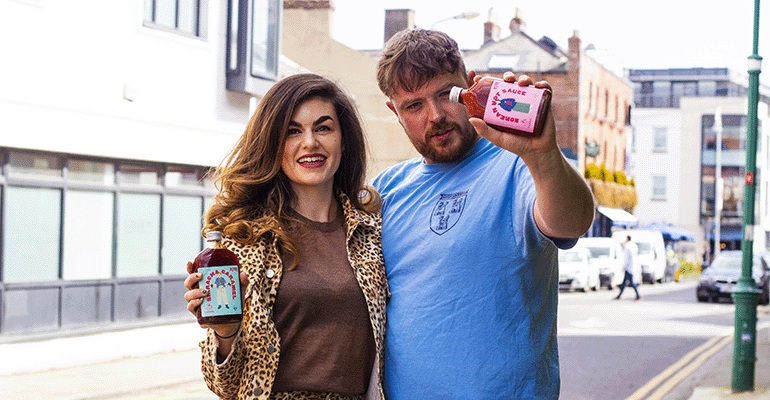
Chimac’s fusion sauces bring Korean flavours to Europe
25 Aug 2026
Irish sauce brand Chimac is tapping into Korea’s culinary traditions, bringing its flavours and products to European consumers who want a taste of K-food.
Read more
Global demand for instant noodles continues to rise
24 Aug 2026
Global demand for instant noodles reached 124.21 billion servings last year, representing a 0.7% year-on-year increase – or 900 million extra servings.
Read more
Popular barbecue staples experience sharp price increases
19 Aug 2026
The typical cost of US shoppers’ barbecue baskets has risen by 12% over the past year – the fastest annual rise in a decade, figures from The Economist show.
Read more
Hot NPD: Nissin launches first cold-water Cup Noodles
18 Aug 2026
Nissin is taking one of Japan’s most iconic instant meals in a completely new direction with the launch of the first cold water-only Cup Noodles in the brand’s 55-year history.
Read more