
Ingredients Categories
Finished Products
Finished Food Categories
- Bakery
- Beverages / Juices
- Cereal and grain products
- Confectionery
- Cooking Fats & Oils
- Dairy
- Egg products
- Fruits & Vegetables
- Infant & Baby food
- Meat, Poultry & Fish
- Nuts & Seeds products
- Other Finished Food Categories
- Pet Food
- Plant-based foods
- Prepared foods
- Sauces & Seasonings
- Sweet & Savoury Spreads
Specialised Finished Products
- Bee products
- Biotic products
- Dietary supplements
- Energy drinks
- Functional beverages
- Functional confectionery
- Functional food
- Functional powders
- Meal replacement products
- Nutricosmetics
- Other Specialised Finished Products
- Pet Dietary Supplements
- Pharma and OTC products
- Protein products
- Sugar replacers / Sweeteners
Health & Wellness Areas
Delivery Formats
Operations & Services
- 3D printing
- Analysis/ Testing
- Auditing & certifications
- Blending & mixing
- Bottling
- Certification
- Clinical trials
- Co-packing
- Coating
- Consulting
- Contract manufacturing
- Drying
- Electrospinning
- Encapsulating
- Enzymatic processing
- Extracting
- Extrusion
- Fat structuring
- Fermentation
- Filling
- Flavour development
- Freeze drying
- Granulating/ grinding/ milling / mixing
- High-pressure processing
- Labelling
- Other Operations & Services
- Packaging
- Packet filling
- Pasturising
- Quality assurance
- Saccharification
- Shear cell processing
- Spray drying
- Sterilisation
- Storage & Logistics
- Tabletting
- Toasting / roasting
- Ultra-high temperature processing
News
Nestlé launches plant-based tuna alternative, Vuna
7 Sep 2020Nestlé is taking a dive into the plant-based seafood market with its new faux tuna brand Vuna. The plant-based tuna debuted in Switzerland in August under the company’s Garden Gourmet line where it is available for retail as well as sold in pre-made sandwiches in the deli at select stores.
Future plans to expand the availability of the product in other parts of the world will be announced at a later date.

Nestlé is actively looking to hook consumers that are trending toward plant-alternative products, a category that has only continued to grow despite the difficulties that have beset the food and beverage space in recent months. According to SPINS statistics from April, plant-based product sales grew 35% faster than the food category in general. Overall, the plant-based category was up 27% over 2019. The Swiss food giant has already taken steps to capitalize on the popularity of this category and has alternative burgers, mince meat, sausages and chicken nuggets available on shelves.
This new plant-based tuna is built on a base of pea protein and only has six ingredients: water, pea protein, wheat gluten, rapeseed oil, salt and a blend of natural flavors. It is packaged in glass jars and sold in cold cases, and Nestlé designed the product for use in sandwiches, salads and pizza.
Nutritionally, the product diverges from sea-based tuna. Per 100 grams, Vuna contains 266kcal, 23.4 grams protein and 18.2 grams of fat, 2.4 grams of which is saturated fat. In addition, Nestlé says the product contains all essential amino acids and no artificial colors or preservatives.
It took Nestlé nine months to develop the product and release it onto shelves. Food Navigator reported that Nestlé is already looking into other seafood alternative products, such as fish and shellfish.
Although the company is entering a relatively small segment of the plant-based space - plant-based seafood comprised only 1% of U.S. plant-based meat sales in 2019, according to data from the Good Food Institute - it is one that is expanding quickly. Good Catch, Hooked, New Wave and Prime Roots are all well-known competitors in the space that are receiving institutional funding to widen the gulf between them and newcomers. However, Nestlé has the advantage of deep pockets and well-established distribution channels that it can leverage to ride the wave of this swelling category and catch up.

Get more of our news on Google
Set Ingredients Network as a 'Preferred Source' to get quicker access to the news you value.
Related news
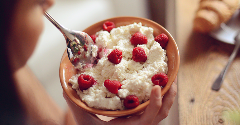
Cottage cheese alternative made from fermented apricot kernels
1 Oct 2026
Revo Foods ferments leftover apricot kernels from jam and juice products into a cottage cheese alternative that naturally contains both protein and fat.
Read more
Is creatine going mainstream in food and drink formulation?
24 Sep 2026
The functional ingredient creatine is gaining traction in the food and drink industry, as brands ramp up production investment and explore new applications.
Read more
New GRAS rules offer consumers confidence but companies are concerned
22 Sep 2026
Public health campaigners are celebrating the US government’s move to close the Generally Recognised as Safe (GRAS) loophole, but companies worry it will stifle innovation.
Read more
Is the FAO’s industrial aquaculture push harming ecosystems?
21 Sep 2026
The Food and Agriculture Organization (FAO) is promoting industrial aquaculture but campaigners say it creates toxic pollution and threatens food sovereignty.
Read more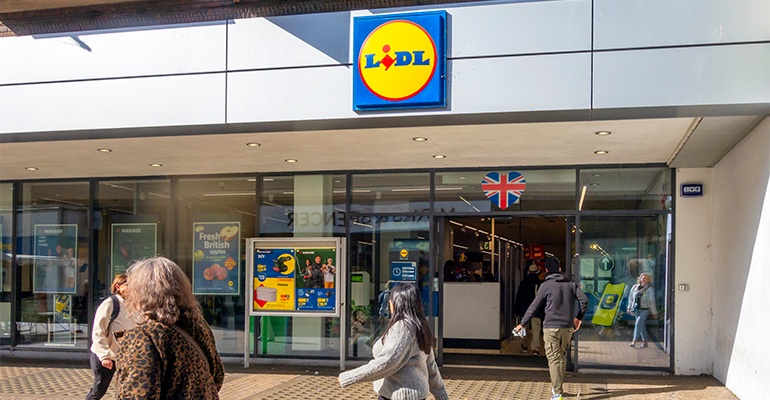
Lidl says Britain 'significantly off track' with healthy and sustainable eating
15 Sep 2026
Discounter retailer Lidl has raised concerns about healthy and sustainable eating habits across Britain, spotlighting how affordability remains a barrier for consumers.
Read more
Do the US dietary guidelines put UPFs under pressure?
10 Sep 2026
Will the US dietary guidelines change the way Americans eat, swapping ultra-processed foods for whole foods? We asked Dr Barry Popkin, renowned nutrition and obesity researcher.
Read more
Food fraud costs UK economy £2bn each year
9 Sep 2026
Food fraud is costing the UK economy up to £2 billion (€2.3 billion) every year although the food sector is more “resilient” than others, according to a recent study.
Read more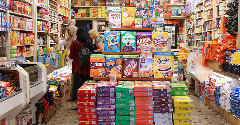
Kellogg accelerates work to remove artificial colours from all US cereals
3 Sep 2026
WK Kellogg has announced an accelerated timeline to eliminate all artificial colours and the chemical preservative, BHT, across its full US portfolio of cereals and cereal packaging.
Read more
Skimpflation: An ‘unfair’ and risky approach to keeping prices low
2 Sep 2026
Consumers see skimpflation – reducing the quality of ingredients due to rising costs – as more unfair than shrinkflation, making it a risky strategy according to recent research.
Read more
‘Urgent gaps’ in achieving 2030 food system goals
27 Aug 2026
Global food systems are failing to meet 2030 targets across indicators including health, environment, and resilience, according to a report co-authored by the Food and Agriculture Organisation (FAO).
Read more