
Ingredients Categories
Finished Products
Finished Food Categories
- Bakery
- Beverages / Juices
- Cereal and grain products
- Confectionery
- Cooking Fats & Oils
- Dairy
- Egg products
- Fruits & Vegetables
- Infant & Baby food
- Meat, Poultry & Fish
- Nuts & Seeds products
- Other Finished Food Categories
- Pet Food
- Plant-based foods
- Prepared foods
- Sauces & Seasonings
- Sweet & Savoury Spreads
Specialised Finished Products
- Bee products
- Biotic products
- Dietary supplements
- Energy drinks
- Functional beverages
- Functional confectionery
- Functional food
- Functional powders
- Meal replacement products
- Nutricosmetics
- Other Specialised Finished Products
- Pet Dietary Supplements
- Pharma and OTC products
- Protein products
- Sugar replacers / Sweeteners
Health & Wellness Areas
Delivery Formats
Operations & Services
- 3D printing
- Analysis/ Testing
- Auditing & certifications
- Blending & mixing
- Bottling
- Certification
- Clinical trials
- Co-packing
- Coating
- Consulting
- Contract manufacturing
- Drying
- Electrospinning
- Encapsulating
- Enzymatic processing
- Extracting
- Extrusion
- Fat structuring
- Fermentation
- Filling
- Flavour development
- Freeze drying
- Granulating/ grinding/ milling / mixing
- High-pressure processing
- Labelling
- Other Operations & Services
- Packaging
- Packet filling
- Pasturising
- Quality assurance
- Saccharification
- Shear cell processing
- Spray drying
- Sterilisation
- Storage & Logistics
- Tabletting
- Toasting / roasting
- Ultra-high temperature processing
News
Africa balances policy needs with food processing growth
Natasha Spencer-Jolliffe, Freelance Journalist 1 Nov 2024Opportunities ramp up in the continent’s food processing industry, yet a lack of policy progression threatens to stall progress.
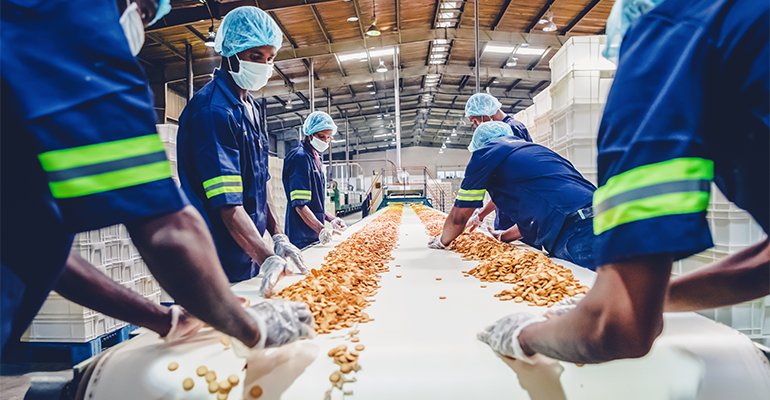
According to World Bank figures from 2023, Africa’s agricultural economy is the fastest growing around the world, increasing 4.1% annually from 2000 to 2020 compared to a global average growth rate of 2.7%.
Its rise has been, in part, due to Africa’s growing food processing sector, spurred by rapid population growth, urbanisation, and rising incomes. These factors have resulted in a growing middle class, expected to reach approximately 1.1 billion by 2060, a 2024 Malabo Montpellier Panel Report on the food processing sector, states.
Africa is a vast and diverse continent with unique characteristics and growth trajectories. “We have seen first-hand the remarkable growth and transformation taking place in the food processing sector,” Vivian Maduekeh, programme director, Partners in Food Solutions, told Ingredients Network. For the past 16 years, Partners in Food Solutions (PFS) has been working with over 2,000 food processors in over 12 countries.
Food processing today in Africa
The industry is evolving rapidly, with businesses embracing new product development (NPD) and scaling their operations across the continent. “With rising consumer demand for convenience, processed and packaged foods, along with rapid urbanisation and a youthful population, the sector holds immense potential,” added Maduekeh.
Local entrepreneurs are increasingly entering value-added processing, creating products that cater to both local tastes and international markets. There has also been a notable rise in innovative products using local foods, appealing to niche markets and shifting Africa from a raw commodity net exporter to a value-added foods producer.
“This progress positions African food processors as key players in driving both economic growth and food security across the continent,” said Maduekeh.
Key growth opportunities
Thanks to its rich diversity of foods, from grains to pulses and tubers, Africa offers a wide array of food processing opportunities. One of the most exciting possibilities is the chance to embrace the global shift away from dependence on just a few major staples. “This opens the door for Africa’s unique local foods to shine, while also reducing reliance on imports and serving the needs of Africa’s youthful and rapidly growing population,” Maduekeh shared.
The growing demand for healthier, minimally processed foods, particularly among the rising middle class, creates fresh avenues for businesses to explore. There is also a strong push for sustainable practices, such as sourcing and traceability, using renewable energy, eco-friendly packaging, circular economies and waste reduction. “These are opportunities for African companies to lead with purpose,” Maduekeh added.
Challenges to achieving food processing development
While opportunities in Africa’s food processing sector are present and varied, realising them comes with several obstacles. “A key priority is government investment in infrastructure, particularly to ensure a reliable energy supply and address the alarming rise in energy costs,” said Maduekeh. Additionally, access to appropriate financing remains a significant challenge for many SMEs. However, progress is being made through efforts by impact investors and development organisations.
Another major challenge is the need for technical expertise, particularly in processing engineering, equipment sourcing and preventive maintenance. “Technology is essential for growth, yet many processors have faced costly setbacks due to investments in processing equipment that is not fit for purpose or durable,” added Maduekeh.
PFS can play a crucial role here, offering remote knowledge transfer from world-class food companies to guide food processors through equipment consultation, help them design and choose the right equipment, and ensure a return on investment. Its apprenticeship programme mentors young graduates, striving to equip them with the technical skills needed to support the sector’s growth.
“Furthermore, climate change is introducing uncertainties into supply chains with increasing droughts and floods that affect yields,” said Maduekeh. Stable and resilient value chains are essential for the success of any food processing business. “This highlights the important role food processors play in climate mitigation and adaptation,” Maduekeh added.
Policies are in place or under consideration
Africa is a vast continent with diverse national priorities and policies. “However, there is a growing recognition among African governments of the strategic importance of the food processing sector for self-sufficiency and economic growth,” said Maduekeh.
Many are introducing supportive measures such as agro-processing zones, tax incentives, and public-private partnerships to create a more favourable business environment. They are also seeing a rise in policies promoting regional and sub-regional trade, with efforts to harmonise sanitary and phytosanitary standards and reduce trade barriers.
The African Continental Free Trade Area (AfCFTA) is one example. However, its full implementation is still needed to enable SME food processors to benefit and access larger markets across the continent.
Consumer demands and industry responses
“Consumers are increasingly seeking convenience, affordability, nutrition, quality, and health in their food choices, with a growing emphasis on better product quality,” said Maduekeh.
A common request that food manufacturers or processing solutions companies receive is for food safety and quality control, reflecting the rising demand for high-standard goods across the continent. PFS is also seeing more focus on research and product development, with greater emphasis on nutritional content. As consumers become more health-conscious, food processors consider healthier alternatives while strongly emphasising safety and quality.
Additionally, there is a noticeable shift in the market towards using social media and digital platforms for conscious marketing, enabling businesses to connect more effectively with their customers. “This shift presents a valuable opportunity to promote and brand nutritious local foods, helping to guide consumer preferences toward more diverse and healthful options,” Maduekeh added.

Get more of our news on Google
Set Ingredients Network as a 'Preferred Source' to get quicker access to the news you value.
Related news

Do the US dietary guidelines put UPFs under pressure?
10 Sep 2026
Will the US dietary guidelines change the way Americans eat, swapping ultra-processed foods for whole foods? We asked Dr Barry Popkin, renowned nutrition and obesity researcher.
Read more
Health and wellness engagement matures across Middle East and Africa
4 Sep 2026
Many consumers in the Middle East and Africa are now proactively engaged in health and wellness, looking to integrate better habits and products into their daily lives, say experts.
Read more
Skimpflation: An ‘unfair’ and risky approach to keeping prices low
2 Sep 2026
Consumers see skimpflation – reducing the quality of ingredients due to rising costs – as more unfair than shrinkflation, making it a risky strategy according to recent research.
Read more
‘Urgent gaps’ in achieving 2030 food system goals
27 Aug 2026
Global food systems are failing to meet 2030 targets across indicators including health, environment, and resilience, according to a report co-authored by the Food and Agriculture Organisation (FAO).
Read more
Seven-Eleven uses microbial testing tech to extend katsudon shelf life
26 Aug 2026
Japanese retail company Seven-Eleven has improved its factory’s microbial environment to keep comfort-food staple, katsudon, fresher for longer.
Read more
Chimac’s fusion sauces bring Korean flavours to Europe
25 Aug 2026
Irish sauce brand Chimac is tapping into Korea’s culinary traditions, bringing its flavours and products to European consumers who want a taste of K-food.
Read more
Global demand for instant noodles continues to rise
24 Aug 2026
Global demand for instant noodles reached 124.21 billion servings last year, representing a 0.7% year-on-year increase – or 900 million extra servings.
Read more
Popular barbecue staples experience sharp price increases
19 Aug 2026
The typical cost of US shoppers’ barbecue baskets has risen by 12% over the past year – the fastest annual rise in a decade, figures from The Economist show.
Read more
Hot NPD: Nissin launches first cold-water Cup Noodles
18 Aug 2026
Nissin is taking one of Japan’s most iconic instant meals in a completely new direction with the launch of the first cold water-only Cup Noodles in the brand’s 55-year history.
Read more
Manam Chocolate aims to bring premium Indian cacao to 'the world stage'
11 Aug 2026
Craft chocolate brand Manam Chocolate is investing in local expansion and supply chain innovation throughout India as it works to build out the premium reputation of its locally produced cacao products.
Read more