
Ingredients Categories
Finished Products
Finished Food Categories
- Bakery
- Beverages / Juices
- Cereal and grain products
- Confectionery
- Cooking Fats & Oils
- Dairy
- Egg products
- Fruits & Vegetables
- Infant & Baby food
- Meat, Poultry & Fish
- Nuts & Seeds products
- Other Finished Food Categories
- Pet Food
- Plant-based foods
- Prepared foods
- Sauces & Seasonings
- Sweet & Savoury Spreads
Specialised Finished Products
- Bee products
- Biotic products
- Dietary supplements
- Energy drinks
- Functional beverages
- Functional confectionery
- Functional food
- Functional powders
- Meal replacement products
- Nutricosmetics
- Other Specialised Finished Products
- Pet Dietary Supplements
- Pharma and OTC products
- Protein products
- Sugar replacers / Sweeteners
Health & Wellness Areas
Delivery Formats
Operations & Services
- 3D printing
- Analysis/ Testing
- Auditing & certifications
- Blending & mixing
- Bottling
- Certification
- Clinical trials
- Co-packing
- Coating
- Consulting
- Contract manufacturing
- Drying
- Electrospinning
- Encapsulating
- Enzymatic processing
- Extracting
- Extrusion
- Fat structuring
- Fermentation
- Filling
- Flavour development
- Freeze drying
- Granulating/ grinding/ milling / mixing
- High-pressure processing
- Labelling
- Other Operations & Services
- Packaging
- Packet filling
- Pasturising
- Quality assurance
- Saccharification
- Shear cell processing
- Spray drying
- Sterilisation
- Storage & Logistics
- Tabletting
- Toasting / roasting
- Ultra-high temperature processing
News
Disruptor brands spearhead sustainable solutions
Natasha Spencer-Jolliffe, Freelance Journalist 11 Feb 2025Manufacturers, big and small, sharpen their focus by providing sustainable products and services centred on comprehensive and sustainable approaches to traditional methods.
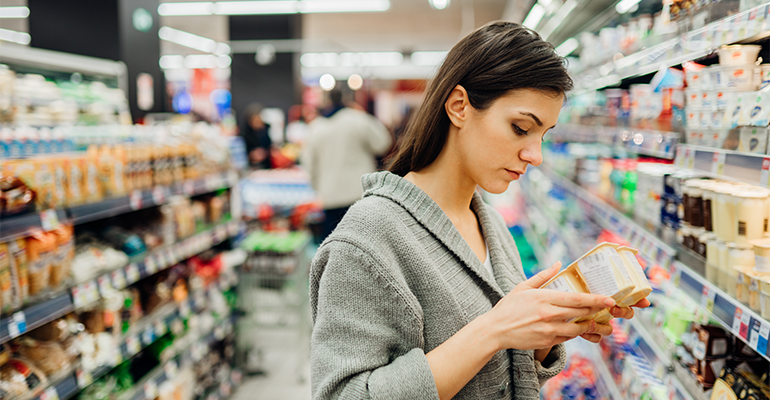
A 2025 Sustainability Index suggests big brands have the power to close the sustainable gap between production, packaging and purpose, while disruptor brands will need to offer sustainable alternatives.
As consumers become more environmentally conscious, startups, scaling brands, and sizable multinationals are working to meet their expectations with sustainable offerings. However, with expectations for 2025 predicting that the larger, more established brands will tighten their grip on sustainability and progress their efforts, the spotlight is on smaller disruptor brands to gauge how they will respond.
With the United Nation’s (UN) 2030 Sustainable Development Goals now less than five years away, consumers place an ever-growing focus on sustainability, giving food and beverage companies the opportunities to fulfil these expectations. According to Innova Market Insights, today’s shoppers expect manufacturers to protect nature and support the environment by cutting waste.
Will disruptor brands continue to lead the charge, or will the leaders close the gap?
Index tracks brand sustainability across various metrics
For brands and manufacturers to progress with their sustainable efforts, they need to look beyond simple or one-dimensional offers of eco-conscious considerations, like choosing environmentally friendly packaging or ingredients. “It’s about meeting various environmental, ethical, and social criteria,” says Josh Simpson, co-founder of Impact Score, an app designed to help consumers find sustainable and healthy products in UK supermarkets.
Apps are synonymous with food delivery, providing convenience and on-the-go purchases, and have been on the rise since COVID-19 lockdowns. Apps have also become an increasingly popular mainstay within the food and beverage industry, allowing consumers to research ethics, traceability and transparency in information about the supply chain straight from their fingertips.
Impact Score’s Sustainability Index 2025 evaluates over 300,000 products from 13,000 brands, showing how well the industry keeps pace with consumer expectations.
Providing a comprehensive view of sustainability in food and beverage sectors like confectionery, the Index tracks short- and long-term changes. It also offers insights into where brands, mainly disruptor names, fare in the competitive landscape. The Index considers numerous sustainability indicators such as animal welfare, nutritional value, packaging, carbon footprint and fairtrade certification.
Big brands close the gap
In the confectionery sector, for example, multinational heritage brands are demonstrating their biggest jumps in sustainable progress – perhaps unsurprising, given their large budgets, extensive campaigns and robust resources. These brands can direct these towards executing swift and effective updates to their sustainable supply chains.
The Index shows that while challengers remain leaders in sustainability, their scores have declined in 2024 compared to 2023. “This suggests that even top performers face challenges as the industry’s standards continue to evolve,” says Ian Yates, co-founder of Impact Score.
However, established players like Lindt, Guylian, and M&M’s have significantly improved their sustainability efforts, with each brand improving their index scores by over 5%. “While the challenger brands still lead, the momentum shifts as the big players close the gap,” Simpson explains.
Sustainability practices alone not sufficient to stand out in the industry
While sustainability remains a focal point for consumers, trends within the chocolate industry show signs of maturing.
“For instance, vegan chocolate – once a booming sector – has seen a decline in the number of new products despite its growing profitability,” Yates notes.
The basis for this is that these reflect that the market for vegan chocolate is stabilising. As a result, established brands focus on refining their existing products rather than expanding new ranges.
Disruptor brands may need to adapt their approach as big players gain traction. Adopting sustainability practices is no longer sufficient. Instead, disruptor brands in 2025 will need to offer more sustainable alternatives to stand out against competitors. They will need to focus on areas like ethical sourcing, transparency, and more ambitious environmental goals.
Consumer preferences driving the industry forward
The direction the industry takes will depend on consumer behaviour. As shoppers become more informed about sustainability issues, they wield significant influence over which brands succeed.
“Consumers’ preferences for ethically produced and environmentally friendly products will continue pushing the industry in the right direction, forcing big players and challengers to adapt,” explains Simpson.
Sustainability, though, means more than choosing products based on claims.
“As the sustainability race intensifies, shoppers will likely become more discerning, seeking brands beyond token efforts and offering tangible, measurable impact,” Yates adds.

Get more of our news on Google
Set Ingredients Network as a 'Preferred Source' to get quicker access to the news you value.
Related news

Do the US dietary guidelines put UPFs under pressure?
10 Sep 2026
Will the US dietary guidelines change the way Americans eat, swapping ultra-processed foods for whole foods? We asked Dr Barry Popkin, renowned nutrition and obesity researcher.
Read more
Health and wellness engagement matures across Middle East and Africa
4 Sep 2026
Many consumers in the Middle East and Africa are now proactively engaged in health and wellness, looking to integrate better habits and products into their daily lives, say experts.
Read more
Skimpflation: An ‘unfair’ and risky approach to keeping prices low
2 Sep 2026
Consumers see skimpflation – reducing the quality of ingredients due to rising costs – as more unfair than shrinkflation, making it a risky strategy according to recent research.
Read more
‘Urgent gaps’ in achieving 2030 food system goals
27 Aug 2026
Global food systems are failing to meet 2030 targets across indicators including health, environment, and resilience, according to a report co-authored by the Food and Agriculture Organisation (FAO).
Read more
Seven-Eleven uses microbial testing tech to extend katsudon shelf life
26 Aug 2026
Japanese retail company Seven-Eleven has improved its factory’s microbial environment to keep comfort-food staple, katsudon, fresher for longer.
Read more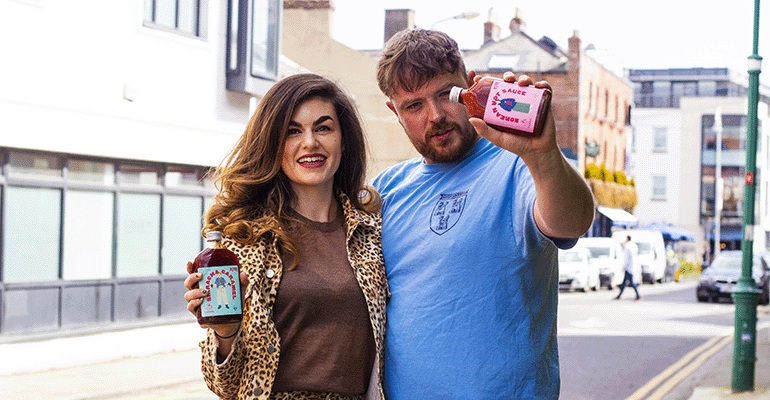
Chimac’s fusion sauces bring Korean flavours to Europe
25 Aug 2026
Irish sauce brand Chimac is tapping into Korea’s culinary traditions, bringing its flavours and products to European consumers who want a taste of K-food.
Read more
Global demand for instant noodles continues to rise
24 Aug 2026
Global demand for instant noodles reached 124.21 billion servings last year, representing a 0.7% year-on-year increase – or 900 million extra servings.
Read more
Popular barbecue staples experience sharp price increases
19 Aug 2026
The typical cost of US shoppers’ barbecue baskets has risen by 12% over the past year – the fastest annual rise in a decade, figures from The Economist show.
Read more
Hot NPD: Nissin launches first cold-water Cup Noodles
18 Aug 2026
Nissin is taking one of Japan’s most iconic instant meals in a completely new direction with the launch of the first cold water-only Cup Noodles in the brand’s 55-year history.
Read more
Manam Chocolate aims to bring premium Indian cacao to 'the world stage'
11 Aug 2026
Craft chocolate brand Manam Chocolate is investing in local expansion and supply chain innovation throughout India as it works to build out the premium reputation of its locally produced cacao products.
Read more