
Ingredients Categories
Finished Products
Finished Food Categories
- Bakery
- Beverages / Juices
- Cereal and grain products
- Confectionery
- Cooking Fats & Oils
- Dairy
- Egg products
- Fruits & Vegetables
- Infant & Baby food
- Meat, Poultry & Fish
- Nuts & Seeds products
- Other Finished Food Categories
- Pet Food
- Plant-based foods
- Prepared foods
- Sauces & Seasonings
- Sweet & Savoury Spreads
Specialised Finished Products
- Bee products
- Biotic products
- Dietary supplements
- Energy drinks
- Functional beverages
- Functional confectionery
- Functional food
- Functional powders
- Meal replacement products
- Nutricosmetics
- Other Specialised Finished Products
- Pet Dietary Supplements
- Pharma and OTC products
- Protein products
- Sugar replacers / Sweeteners
Health & Wellness Areas
Delivery Formats
Operations & Services
- 3D printing
- Analysis/ Testing
- Auditing & certifications
- Blending & mixing
- Bottling
- Certification
- Clinical trials
- Co-packing
- Coating
- Consulting
- Contract manufacturing
- Drying
- Electrospinning
- Encapsulating
- Enzymatic processing
- Extracting
- Extrusion
- Fat structuring
- Fermentation
- Filling
- Flavour development
- Freeze drying
- Granulating/ grinding/ milling / mixing
- High-pressure processing
- Labelling
- Other Operations & Services
- Packaging
- Packet filling
- Pasturising
- Quality assurance
- Saccharification
- Shear cell processing
- Spray drying
- Sterilisation
- Storage & Logistics
- Tabletting
- Toasting / roasting
- Ultra-high temperature processing
News
Nestlé launches plant-based egg in Latin America
29 Nov 2022
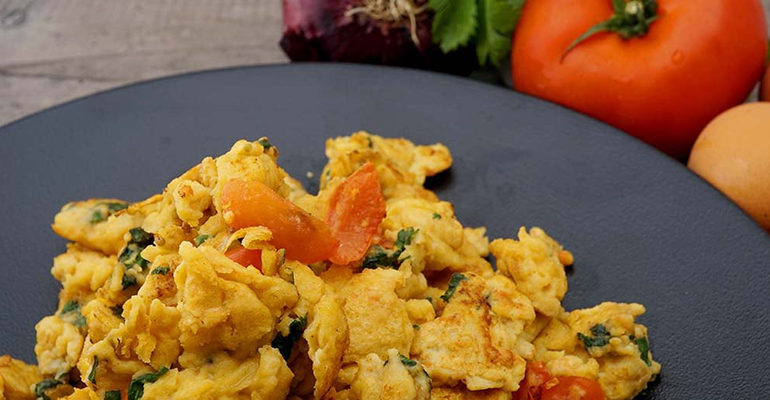
Nestlé has launched a powdered plant-based protein under its Mahler brand that consumers can add to egg dishes such as omelettes, allowing them to make dishes that are cheaper but still nutritious, it says.
The soy-based product is not a standalone replacement for eggs but is designed to partly replace shell eggs in home-cooking. The final dish has the same amount of protein, fewer saturated fats and cholesterol, and is cheaper than using more shell eggs.
"Egg is one of the most widely used protein sources. With this unique solution, we wanted to provide an affordable, nutritious solution that could be used to replace some of the eggs when cooking egg-based dishes. The plant-based dry mix also brings an equivalent amount of quality protein, less cholesterol, while ensuring a good taste and texture," said Torsten Pohl, head of Nestlé's product and technology centre for food.
Soft launch in Central America
Nestlé is currently testing the product in Central America under its Malher brand in a limited number of stores but plans to roll it out across more countries in Latin America.
Lourdes Muñoz, regional manager for Central America at Nestlé, said: "We are excited to test this new concept in Central America, where egg dishes are a major source of protein for many. By replacing some eggs with this shelf-stable plant-based protein, we will not only provide an affordable alternative, but a sustainable one too that many people can use when cooking breakfast, lunch, or dinner."
In addition to being an affordable alternative for consumers, shelf-stable proteins are less complicated for food operators in countries that have limited cold storage supply chains, the Swiss food giant said.
Brazil’s biggest egg producer launched vegan N.Ovo
Nestle’s vegan egg is not the first big brand plant-based alternative in Latin America. In 2019, South America’s biggest egg producer, Brazil’s Grupo Mantiqueira, launched its first plant-based egg product. The product is called N.Ovo – a play on the words egg and new – and is made with pea protein, pea starch and linseed.
The vegan egg substitute is available in powder form but is packaged in a traditional cardbox egg box. To use the product, consumers must mix 11 g of N.ovo with 39 g of water, which yields the equivalent of one large egg of around 50 g. It can be used as a like-for-like egg replacement in applications such as cakes, breads, and baking.
“With N.ovo, your traditional recipes will be softer, fluffier, and more flavourful, as if made with fresh eggs as an ingredient in the preparation,” it says. “It's perfect to use to make cakes, breads, pasta, pancakes, and whatever else your imagination takes you!”
Grupo Mantiqueira worked with non-profit organisation The Good Food Institute (GFI) to develop the product’s formulation and branding. Since this launch, the N.ovo brand has extended its plant-based offering to include egg-free mayonnaise.

Get more of our news on Google
Set Ingredients Network as a 'Preferred Source' to get quicker access to the news you value.
Related news

Kellogg accelerates work to remove artificial colours from all US cereals
3 Sep 2026
WK Kellogg has announced an accelerated timeline to eliminate all artificial colours and the chemical preservative, BHT, across its full US portfolio of cereals and cereal packaging.
Read more
Skimpflation: An ‘unfair’ and risky approach to keeping prices low
2 Sep 2026
Consumers see skimpflation – reducing the quality of ingredients due to rising costs – as more unfair than shrinkflation, making it a risky strategy according to recent research.
Read more
‘Urgent gaps’ in achieving 2030 food system goals
27 Aug 2026
Global food systems are failing to meet 2030 targets across indicators including health, environment, and resilience, according to a report co-authored by the Food and Agriculture Organisation (FAO).
Read more
Seven-Eleven uses microbial testing tech to extend katsudon shelf life
26 Aug 2026
Japanese retail company Seven-Eleven has improved its factory’s microbial environment to keep comfort-food staple, katsudon, fresher for longer.
Read more
Chimac’s fusion sauces bring Korean flavours to Europe
25 Aug 2026
Irish sauce brand Chimac is tapping into Korea’s culinary traditions, bringing its flavours and products to European consumers who want a taste of K-food.
Read more
Global demand for instant noodles continues to rise
24 Aug 2026
Global demand for instant noodles reached 124.21 billion servings last year, representing a 0.7% year-on-year increase – or 900 million extra servings.
Read more
China beverages: Is herbal innovation the future?
20 Aug 2026
Herbal and botanical innovation in China's drinks market continues to grow, with ingredients like astragalus root, ginger, and ginseng in the spotlight – and focus shifting far beyond refreshment.
Read more
Popular barbecue staples experience sharp price increases
19 Aug 2026
The typical cost of US shoppers’ barbecue baskets has risen by 12% over the past year – the fastest annual rise in a decade, figures from The Economist show.
Read more
Hot NPD: Nissin launches first cold-water Cup Noodles
18 Aug 2026
Nissin is taking one of Japan’s most iconic instant meals in a completely new direction with the launch of the first cold water-only Cup Noodles in the brand’s 55-year history.
Read more
Beyond 'nice to have': A spotlight on US functional beverages
12 Aug 2026
Functional beverage interest in the US is gaining important ground as consumers now expect function rather than see it as "nice to have", and there are clear market gaps for growth, according to Spate.
Read more