
Ingredients Categories
Finished Products
Finished Food Categories
- Bakery
- Beverages / Juices
- Cereal and grain products
- Confectionery
- Cooking Fats & Oils
- Dairy
- Egg products
- Fruits & Vegetables
- Infant & Baby food
- Meat, Poultry & Fish
- Nuts & Seeds products
- Other Finished Food Categories
- Pet Food
- Plant-based foods
- Prepared foods
- Sauces & Seasonings
- Sweet & Savoury Spreads
Specialised Finished Products
- Bee products
- Biotic products
- Dietary supplements
- Energy drinks
- Functional beverages
- Functional confectionery
- Functional food
- Functional powders
- Meal replacement products
- Nutricosmetics
- Other Specialised Finished Products
- Pet Dietary Supplements
- Pharma and OTC products
- Protein products
- Sugar replacers / Sweeteners
Health & Wellness Areas
Delivery Formats
Operations & Services
- 3D printing
- Analysis/ Testing
- Auditing & certifications
- Blending & mixing
- Bottling
- Certification
- Clinical trials
- Co-packing
- Coating
- Consulting
- Contract manufacturing
- Drying
- Electrospinning
- Encapsulating
- Enzymatic processing
- Extracting
- Extrusion
- Fat structuring
- Fermentation
- Filling
- Flavour development
- Freeze drying
- Granulating/ grinding/ milling / mixing
- High-pressure processing
- Labelling
- Other Operations & Services
- Packaging
- Packet filling
- Pasturising
- Quality assurance
- Saccharification
- Shear cell processing
- Spray drying
- Sterilisation
- Storage & Logistics
- Tabletting
- Toasting / roasting
- Ultra-high temperature processing
News
Nestlé to launch 'smart ageing' powdered drink brand Vital
Kacey Culliney, Freelance Journalist 20 Mar 2026Nestlé has developed Vital, a nutritional powdered drink line to support smart and healthy ageing, that will first launch in Brazil later this year.
The new range of nutritional drink powders features two products – a “morning routine” blend targeting focus, energy, and strength with taurine and B-vitamins and an “evening routine” blend developed for sleep, muscle mass, and healthy skin with amino acid and magnesium.

Both Nestlé Vital blends contain dairy and plant proteins, fibres, and a full spectrum of vitamins, minerals, and patented bioactive blends. Available in four different flavours – strawberry, vanilla, chocolate, and unflavoured – the range is set to launch in Brazil later this year, and Europe and Asia thereafter.
A 'Smart Ageing' focus
According to the company, the Nestlé Vital range is designed to address specific nutritional needs associated with ageing and targets midlife consumers. The range is the first product launched under the food major's new global programme 'Smart Ageing', which aims to make ageing well more accessible for consumers through expert advice and simple routines.
Dr Isabelle Bureau-Franz, head of R&D for nutrition at Nestlé – the team behind the launch – said the range was developed using company research and trials on how nutrition can impact ageing, from metabolic health, digestion, mobility, and brain health through to sleep, menopause, and the pace of biological ageing.
“With Nestlé Vital, we have translated this science, and, together with our proprietary protein technology and clinically-proven bioactives, we developed simple, great-tasting, nutrient-rich products aimed at people from midlife onward who want to start ageing smarter,” Bureau-Franz said.
Healthy longevity category enjoying ‘robust growth’
The products have been developed to drive measurable improvements in energy, sleep and muscle restoration, the company said.
Serena Aboutboul, head of Nestlé's nutrition business, said the Nestlé Vital range takes the brand solidly into the “healthy longevity” segment, which is currently experiencing “robust growth” as consumers focus on leading healthier lives and prioritise “strength and vitality”.
“We are responding to this fast-growing trend by combining decades of nutrition expertise with insights from multiple clinical studies,” Aboutboul said.
Latin America first strategy
Asked why Nestlé chose to debut the range in Latin America, a Nestlé spokesperson told Ingredients Network: “Brazil is a great place for us to launch Nestlé Vital for several reasons. It's a large market with vast potential where Nestlé has a very strong presence and capabilities. Furthermore, some 50% of the population as a whole is over 35 years of age and consumers are increasingly proactive about their health and wellbeing.”
The country's “diverse consumer base” and “openness to innovation”, the spokesperson said, makes it an “ideal environment” to introduce and scale new health-focused offerings, such as Nestlé Vital.
According to Worldometer data, Brazil's current mid-2026 population sits at an estimated 213 million, with a median age of 35.3 years and a life expectancy of 76.4 years.

Get more of our news on Google
Set Ingredients Network as a 'Preferred Source' to get quicker access to the news you value.
Related news

Do the US dietary guidelines put UPFs under pressure?
10 Sep 2026
Will the US dietary guidelines change the way Americans eat, swapping ultra-processed foods for whole foods? We asked Dr Barry Popkin, renowned nutrition and obesity researcher.
Read more
Skimpflation: An ‘unfair’ and risky approach to keeping prices low
2 Sep 2026
Consumers see skimpflation – reducing the quality of ingredients due to rising costs – as more unfair than shrinkflation, making it a risky strategy according to recent research.
Read more
‘Urgent gaps’ in achieving 2030 food system goals
27 Aug 2026
Global food systems are failing to meet 2030 targets across indicators including health, environment, and resilience, according to a report co-authored by the Food and Agriculture Organisation (FAO).
Read more
Seven-Eleven uses microbial testing tech to extend katsudon shelf life
26 Aug 2026
Japanese retail company Seven-Eleven has improved its factory’s microbial environment to keep comfort-food staple, katsudon, fresher for longer.
Read more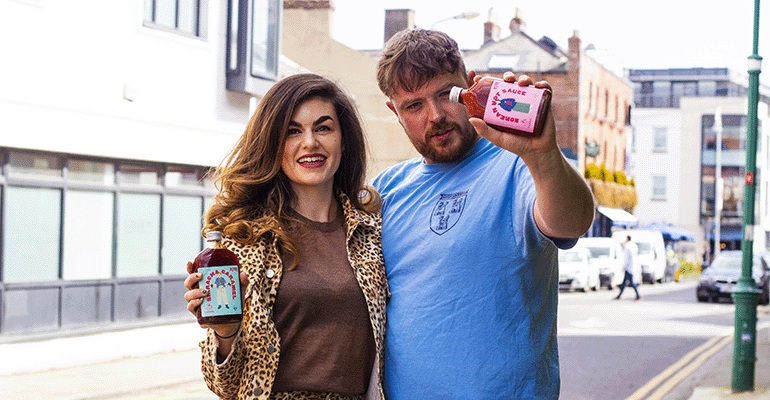
Chimac’s fusion sauces bring Korean flavours to Europe
25 Aug 2026
Irish sauce brand Chimac is tapping into Korea’s culinary traditions, bringing its flavours and products to European consumers who want a taste of K-food.
Read more
Global demand for instant noodles continues to rise
24 Aug 2026
Global demand for instant noodles reached 124.21 billion servings last year, representing a 0.7% year-on-year increase – or 900 million extra servings.
Read more
China beverages: Is herbal innovation the future?
20 Aug 2026
Herbal and botanical innovation in China's drinks market continues to grow, with ingredients like astragalus root, ginger, and ginseng in the spotlight – and focus shifting far beyond refreshment.
Read more
Popular barbecue staples experience sharp price increases
19 Aug 2026
The typical cost of US shoppers’ barbecue baskets has risen by 12% over the past year – the fastest annual rise in a decade, figures from The Economist show.
Read more
Hot NPD: Nissin launches first cold-water Cup Noodles
18 Aug 2026
Nissin is taking one of Japan’s most iconic instant meals in a completely new direction with the launch of the first cold water-only Cup Noodles in the brand’s 55-year history.
Read more
Manam Chocolate aims to bring premium Indian cacao to 'the world stage'
11 Aug 2026
Craft chocolate brand Manam Chocolate is investing in local expansion and supply chain innovation throughout India as it works to build out the premium reputation of its locally produced cacao products.
Read more