
Ingredients Categories
Finished Products
Finished Food Categories
- Bakery
- Beverages / Juices
- Cereal and grain products
- Confectionery
- Cooking Fats & Oils
- Dairy
- Egg products
- Fruits & Vegetables
- Infant & Baby food
- Meat, Poultry & Fish
- Nuts & Seeds products
- Other Finished Food Categories
- Pet Food
- Plant-based foods
- Prepared foods
- Sauces & Seasonings
- Sweet & Savoury Spreads
Specialised Finished Products
- Bee products
- Biotic products
- Dietary supplements
- Energy drinks
- Functional beverages
- Functional confectionery
- Functional food
- Functional powders
- Meal replacement products
- Nutricosmetics
- Other Specialised Finished Products
- Pet Dietary Supplements
- Pharma and OTC products
- Protein products
- Sugar replacers / Sweeteners
Health & Wellness Areas
Delivery Formats
Operations & Services
- 3D printing
- Analysis/ Testing
- Auditing & certifications
- Blending & mixing
- Bottling
- Certification
- Clinical trials
- Co-packing
- Coating
- Consulting
- Contract manufacturing
- Drying
- Electrospinning
- Encapsulating
- Enzymatic processing
- Extracting
- Extrusion
- Fat structuring
- Fermentation
- Filling
- Flavour development
- Freeze drying
- Granulating/ grinding/ milling / mixing
- High-pressure processing
- Labelling
- Other Operations & Services
- Packaging
- Packet filling
- Pasturising
- Quality assurance
- Saccharification
- Shear cell processing
- Spray drying
- Sterilisation
- Storage & Logistics
- Tabletting
- Toasting / roasting
- Ultra-high temperature processing
News
Sustainable grains present a healthy growth opportunity
Natasha Spencer-Jolliffe, Freelance Journalist 3 Oct 2024Food insights provider SPINS unveils the latest trends in the sustainable grains field, exploring how seven leading grains show healthy growth despite challenges in the global value chain.
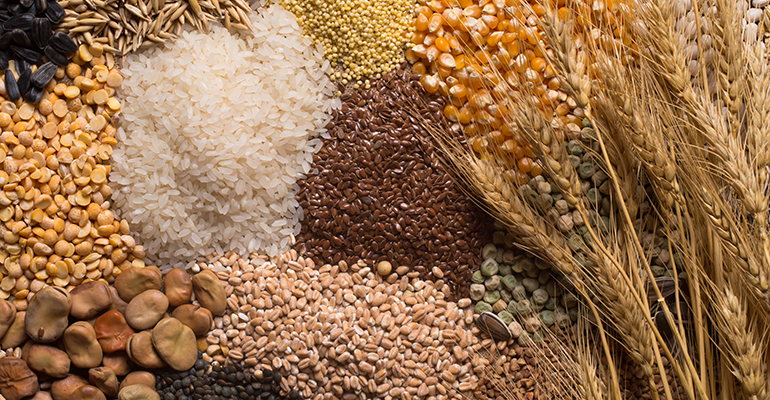
According to recent findings from the World Economic Forum, collective action is needed to achieve global food security. The global food system, currently facing an estimated $15.2 billion funding gap, also contributes approximately one-third of total greenhouse gas (GHG) emissions. Solutions are urgently needed to transform agriculture and mitigate its environmental impact.
Farmers, researchers, and manufacturers are turning their attention to sustainable grain varieties that can secure the future of food. These grains offer a potential lifeline for both food security and environmental sustainability by creating resilient alternatives for the agricultural sector.
Food systems: Helping or hindering sustainable agriculture?
According to food insights provider SPINS’ report Sustainable Ingredients for Bakery Success, sustainable grains – resilient and adaptable varieties that can grow in harsh conditions with minimal water and fertiliser inputs and resist damage caused by drought or pests – will achieve healthy growth in 2024.
Despite their potential, sustainable grains face obstacles throughout the value chain. Farmers grapple with rising land and input costs, while post-harvest, they contend with fluctuating grain prices and stringent practice requirements. Increasing labour costs and declining rural populations also complicate efforts to scale up sustainable practices.
Improving food security
Sustainable cereal production systems have become more prevalent in recent years, and awareness has increased as the United Nations’ Food and Agriculture Organization (FAO) launched its Save and Grow in practice methodology. These systems boast enhanced biodiversity, living soils, integrated pest management, and low GHG emissions, while creating high-quality food and generating food security.
Sustainable grains play a crucial role in preventing biodiversity loss, safeguarding soil health, and mitigating the impacts of overgrazing and intensive agriculture. These grains not only enrich soil but also offer superior nutritional content and reduce the need for herbicide use.
Grains: From functional to forward-looking
Packaged grains have been a classic in the Western cupboard since World War II—a convenience staple since 1941, when Minute Rice was produced to feed soldiers. Then, the Rice-A-Roni brand progressed grains from functional to flavourful for a new audience, launching the fast grains market by introducing flavoured rice-pasta combinations.
Convenience became a way for grains to appeal to the mass market, making cooking easier. Ben’s Original Boil-In-Bag rice emerged along with other convenient ready-to-heat options for on-the-go consumers looking for quick cooking times.
Today, says SPINS, grains are experiencing a resurgence, with consumers seeking both convenience and the nutritional benefits of ancient grains. Alternatives such as couscous, farro, and quinoa have gained significant traction, becoming household staples for health-conscious shoppers. Their popularity among consumers has driven increased shelf space in retail and fuelled new product launches.
Each grain offers unique properties that cater to a range of consumer preferences. Couscous, for example, is prized for its quick cooking time and versatility in absorbing seasonings. Farro is valued for its distinct nutty flavour, ideal for both sweet and savoury dishes, while quinoa is a complete plant-based protein containing all nine essential amino acids.
Disrupting grains with sustainable claims
According to SPINS, there has been a forty percent increase in high-protein claims – products containing 20 g or more of protein per serving. Low-sodium claims have risen by sixteen percent, while products low in saturated fats have seen a fourteen percent increase. High-fibre grains, with at least 10 g of fibre per serving, have grown by eleven percent.
Among the grains leading the charge are seven core sustainable varieties: buckwheat, millet, farro, teff, quinoa, sorghum, and amaranth. Together, these grains are worth $41 million in the food sector, according to SPINS.
Teff is high in resistant starch, which supports blood sugar management, weight control, and digestive health. Sorghum is notable for its high protein and antioxidant content, while amaranth offers anti-inflammatory peptides, gluten-free benefits, and cholesterol-lowering phytosterols. Millet is a source of both soluble and insoluble fibre, supporting heart and gut health, and is also rich in antioxidants.
Quinoa continues to dominate the sustainable grains market, accounting for seventy-three percent of sales. However, it has seen a decline of $2 million, while farro and buckwheat have emerged as growth leaders, with farro representing sixteen percent and buckwheat eight percent of the market. Other grains, including millet, teff, sorghum, and amaranth, collectively comprise two percent of the market.

Get more of our news on Google
Set Ingredients Network as a 'Preferred Source' to get quicker access to the news you value.
Related news

Do the US dietary guidelines put UPFs under pressure?
10 Sep 2026
Will the US dietary guidelines change the way Americans eat, swapping ultra-processed foods for whole foods? We asked Dr Barry Popkin, renowned nutrition and obesity researcher.
Read more
Health and wellness engagement matures across Middle East and Africa
4 Sep 2026
Many consumers in the Middle East and Africa are now proactively engaged in health and wellness, looking to integrate better habits and products into their daily lives, say experts.
Read more
Skimpflation: An ‘unfair’ and risky approach to keeping prices low
2 Sep 2026
Consumers see skimpflation – reducing the quality of ingredients due to rising costs – as more unfair than shrinkflation, making it a risky strategy according to recent research.
Read more
‘Urgent gaps’ in achieving 2030 food system goals
27 Aug 2026
Global food systems are failing to meet 2030 targets across indicators including health, environment, and resilience, according to a report co-authored by the Food and Agriculture Organisation (FAO).
Read more
Seven-Eleven uses microbial testing tech to extend katsudon shelf life
26 Aug 2026
Japanese retail company Seven-Eleven has improved its factory’s microbial environment to keep comfort-food staple, katsudon, fresher for longer.
Read more
Chimac’s fusion sauces bring Korean flavours to Europe
25 Aug 2026
Irish sauce brand Chimac is tapping into Korea’s culinary traditions, bringing its flavours and products to European consumers who want a taste of K-food.
Read more
Global demand for instant noodles continues to rise
24 Aug 2026
Global demand for instant noodles reached 124.21 billion servings last year, representing a 0.7% year-on-year increase – or 900 million extra servings.
Read more
Popular barbecue staples experience sharp price increases
19 Aug 2026
The typical cost of US shoppers’ barbecue baskets has risen by 12% over the past year – the fastest annual rise in a decade, figures from The Economist show.
Read more
Hot NPD: Nissin launches first cold-water Cup Noodles
18 Aug 2026
Nissin is taking one of Japan’s most iconic instant meals in a completely new direction with the launch of the first cold water-only Cup Noodles in the brand’s 55-year history.
Read more
Manam Chocolate aims to bring premium Indian cacao to 'the world stage'
11 Aug 2026
Craft chocolate brand Manam Chocolate is investing in local expansion and supply chain innovation throughout India as it works to build out the premium reputation of its locally produced cacao products.
Read more