
Ingredients Categories
Finished Products
Finished Food Categories
- Bakery
- Beverages / Juices
- Cereal and grain products
- Confectionery
- Cooking Fats & Oils
- Dairy
- Egg products
- Fruits & Vegetables
- Infant & Baby food
- Meat, Poultry & Fish
- Nuts & Seeds products
- Other Finished Food Categories
- Pet Food
- Plant-based foods
- Prepared foods
- Sauces & Seasonings
- Sweet & Savoury Spreads
Specialised Finished Products
- Bee products
- Biotic products
- Dietary supplements
- Energy drinks
- Functional beverages
- Functional confectionery
- Functional food
- Functional powders
- Meal replacement products
- Nutricosmetics
- Other Specialised Finished Products
- Pet Dietary Supplements
- Pharma and OTC products
- Protein products
- Sugar replacers / Sweeteners
Health & Wellness Areas
Delivery Formats
Operations & Services
- 3D printing
- Analysis/ Testing
- Auditing & certifications
- Blending & mixing
- Bottling
- Certification
- Clinical trials
- Co-packing
- Coating
- Consulting
- Contract manufacturing
- Drying
- Electrospinning
- Encapsulating
- Enzymatic processing
- Extracting
- Extrusion
- Fat structuring
- Fermentation
- Filling
- Flavour development
- Freeze drying
- Granulating/ grinding/ milling / mixing
- High-pressure processing
- Labelling
- Other Operations & Services
- Packaging
- Packet filling
- Pasturising
- Quality assurance
- Saccharification
- Shear cell processing
- Spray drying
- Sterilisation
- Storage & Logistics
- Tabletting
- Toasting / roasting
- Ultra-high temperature processing
News
ZOE launches gut health snack bar to make 'complex nutrition accessible'
Kacey Culliney, Freelance Journalist 9 Jul 2026UK gut health company ZOE has launched a snack bar made with 12 plant-based ingredients whose natural structure is intact in order to maximise dietary diversity and support the microbiome.
The ZOE Gut Health Bar is made using a blend of nuts, seeds, berries, legumes, and wholegrains, packing 12 plant ingredients into each bar. Designed to improve gut microbiome health, the bars contain 8g of fibre, 7g of plant protein, less than 5g of sugar, and are available in two formats: a 40g dark chocolate bar and 38g raspberry and goji berry bar.
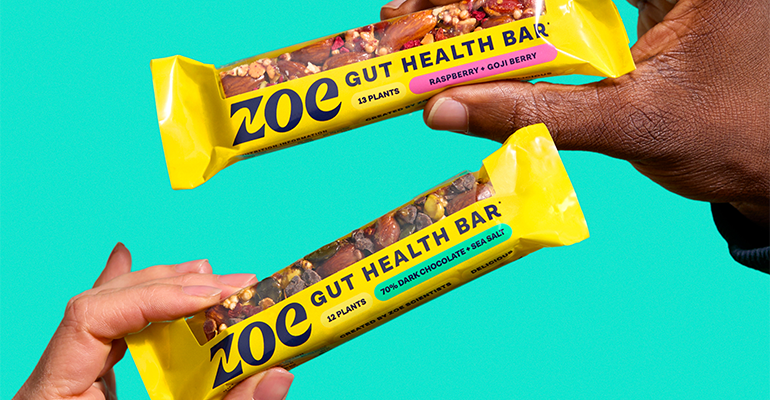
For now, the snack bars have launched online in the UK, but ZOE may expand the products into other countries, including EU markets and the US. The company is also considering the option of stocking its bars in work kitchens.
A snack bar to help people increase plant diversity
“The goal is very simple: help people increase plant diversity in a way that is convenient, satisfying, [and] most importantly, enjoyable to snack on,” said Professor Tim Spector, scientific co-founder of ZOE.
“...The food industry uses the 'bliss point', known as the precise combination of fat, sugar, and salt, to bypass our fullness signals and keep us overeating. We designed the ZOE Gut Health Bar to fight back and prove that snacks can be made from real, whole plants that can actively support your micobiome. Eating 30 different plants a week is the single best thing for gut health. By packing over 10 plants into one bar, we're making complex nutrition accessible,” Spector said.
The launch adds to ZOE's existing gut supplement pouch Daily30 – a blend of 30+ fruit, veg, plants, seeds and nuts designed to be added to everyday meals, and its Gut Shot launched with UK retailer M&S.
The ingredient list for the dark chocolate bar is: almonds, cashews, edamame, pumpkin seeds, 70% dark chocolate, goji berries, maple syrup, red lentils, flaxseed, cacao nibs, shea butter, puffed quinoa, seaweed, sea salt, green tea kombucha powder, chicory root inulin
Creating a snack bar that retains the plant matrix
According to a UK survey of 1,000 participants commissioned by ZOE, 95% of the UK population consumes snacks regularly – around two snacks a day – accounting for around 25% of daily calorie intake.
“The UK is undeniably a nation of snackers,” said Professor Sarah Berry, chief scientist at ZOE and professor of nutritional sciences at King's College London. “But for too long, the snacking food industry has optimised for convenience over nutritional quality and gut health. Snacking itself isn't the issue; it's the poor quality of what people are eating,” Berry said.
ZOE's gut health bars have launched after around 18 months of R&D work to refine nutritional content, format, and taste. Importantly, the company worked hard to maintain the food matrix within the bar, it said.
Many of the plants in each bar have retained their natural structures, for example, meaning they can travel further down the digestive tract to feed gut microbes. The whole ingredients also mean the bars take longer to eat – an important decision made during the design process to help slow the snacking experience, according to Berry.
“The ZOE Gut Health Bar is designed to be savoured, not inhaled,” she said. “It has a deliciously chewy texture with many whole ingredients that take time to eat. This is intentional, and is something most bars lack.”
ZOE research shows that fast eaters consume an average of 120 more calories per day than slow eaters and that by reducing eating time by just 20%, energy intake can be reduced by around 15%.
The challenge of finding UPF-free ingredients
The formulations for both of the ZOE Gut Health Bars were developed in-house by ZOE scientists, selecting each ingredient based on scientific data from the company's major multi-year nutrition study. The company then worked with a manufacturing partner to scale the concept.
Speaking to Ingredients Network, Dr Federica Amati, head nutritionist at ZOE and author of “The Appetite Reset” eating guide, said developing the snack bar was no easy feat.
“The key for us was maximising plant diversity,” Amati said. However, packing 10+ plants into one bar, including ingredients not usually found in snacking products like edamame, red lentils, dried beetroot, seaweed, and kombucha, “was a challenge”, she said.
“We even spent months sourcing 70% dark chocolate that was completely free from emulsifiers. We refused to take the standard, ultra-processed shortcuts because our goal wasn't just to create a convenient snack – it was to deliver genuine, science-led nourishment for gut health.”
Amati said snacking should not just be about filling a hunger gap, it should be considered an opportunity to nourish.

Get more of our news on Google
Set Ingredients Network as a 'Preferred Source' to get quicker access to the news you value.
Related news

Do the US dietary guidelines put UPFs under pressure?
10 Sep 2026
Will the US dietary guidelines change the way Americans eat, swapping ultra-processed foods for whole foods? We asked Dr Barry Popkin, renowned nutrition and obesity researcher.
Read more
Food fraud costs UK economy £2bn each year
9 Sep 2026
Food fraud is costing the UK economy up to £2 billion (€2.3 billion) every year although the food sector is more “resilient” than others, according to a recent study.
Read more
Kellogg accelerates work to remove artificial colours from all US cereals
3 Sep 2026
WK Kellogg has announced an accelerated timeline to eliminate all artificial colours and the chemical preservative, BHT, across its full US portfolio of cereals and cereal packaging.
Read more
Skimpflation: An ‘unfair’ and risky approach to keeping prices low
2 Sep 2026
Consumers see skimpflation – reducing the quality of ingredients due to rising costs – as more unfair than shrinkflation, making it a risky strategy according to recent research.
Read more
NielsenIQ’s EU barometer shows Britain leading in grocery inflation
31 Aug 2026
Britain was the only country to record grocery inflation above 2%, according to NielsenIQ data that compared Europe’s five biggest grocery markets from February to May 2026.
Read more
‘Urgent gaps’ in achieving 2030 food system goals
27 Aug 2026
Global food systems are failing to meet 2030 targets across indicators including health, environment, and resilience, according to a report co-authored by the Food and Agriculture Organisation (FAO).
Read more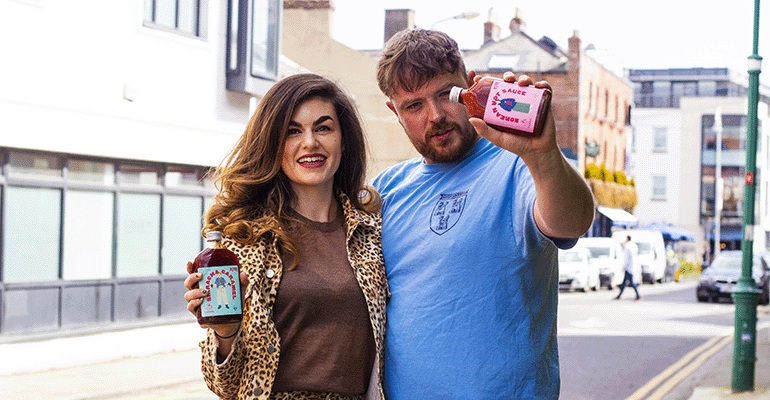
Chimac’s fusion sauces bring Korean flavours to Europe
25 Aug 2026
Irish sauce brand Chimac is tapping into Korea’s culinary traditions, bringing its flavours and products to European consumers who want a taste of K-food.
Read more
Global demand for instant noodles continues to rise
24 Aug 2026
Global demand for instant noodles reached 124.21 billion servings last year, representing a 0.7% year-on-year increase – or 900 million extra servings.
Read more
Popular barbecue staples experience sharp price increases
19 Aug 2026
The typical cost of US shoppers’ barbecue baskets has risen by 12% over the past year – the fastest annual rise in a decade, figures from The Economist show.
Read more
Hot NPD: Nissin launches first cold-water Cup Noodles
18 Aug 2026
Nissin is taking one of Japan’s most iconic instant meals in a completely new direction with the launch of the first cold water-only Cup Noodles in the brand’s 55-year history.
Read more