
Ingredients Categories
Finished Products
Finished Food Categories
- Bakery
- Beverages / Juices
- Cereal and grain products
- Confectionery
- Cooking Fats & Oils
- Dairy
- Egg products
- Fruits & Vegetables
- Infant & Baby food
- Meat, Poultry & Fish
- Nuts & Seeds products
- Other Finished Food Categories
- Pet Food
- Plant-based foods
- Prepared foods
- Sauces & Seasonings
- Sweet & Savoury Spreads
Specialised Finished Products
- Bee products
- Biotic products
- Dietary supplements
- Energy drinks
- Functional beverages
- Functional confectionery
- Functional food
- Functional powders
- Meal replacement products
- Nutricosmetics
- Other Specialised Finished Products
- Pet Dietary Supplements
- Pharma and OTC products
- Protein products
- Sugar replacers / Sweeteners
Health & Wellness Areas
Delivery Formats
Operations & Services
- 3D printing
- Analysis/ Testing
- Auditing & certifications
- Blending & mixing
- Bottling
- Certification
- Clinical trials
- Co-packing
- Coating
- Consulting
- Contract manufacturing
- Drying
- Electrospinning
- Encapsulating
- Enzymatic processing
- Extracting
- Extrusion
- Fat structuring
- Fermentation
- Filling
- Flavour development
- Freeze drying
- Granulating/ grinding/ milling / mixing
- High-pressure processing
- Labelling
- Other Operations & Services
- Packaging
- Packet filling
- Pasturising
- Quality assurance
- Saccharification
- Shear cell processing
- Spray drying
- Sterilisation
- Storage & Logistics
- Tabletting
- Toasting / roasting
- Ultra-high temperature processing
News
Industry hits back at UK’s proposed healthy food rules
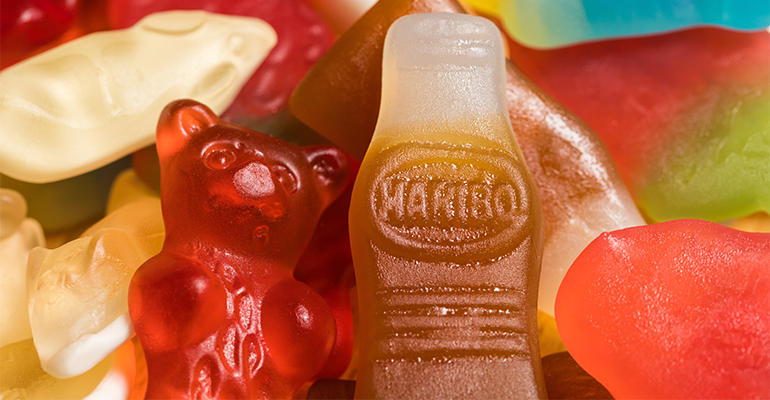
David Burrows, Freelance Journalist 24 Jul 2026Food brands, including Haribo, have hit out against the UK’s proposed nutrient profiling model, which places a new focus on free sugars that are added during manufacturing.
In January, the UK government published plans to change the country’s 20-year-old nutrient profiling model (NPM), which is used to classify the health credentials of food and drinks.
At a glance:
- UK's updated nutrient profiling model focuses on free sugars, fibre intake, and healthier classifications.
- Manufacturers claim costs could be 50x higher than estimated, with 40% more products restricted from advertising under new rules.
- Supporters say loopholes needed to be closed to ensure fair standards.
The new model looks at the healthiness of food and drinks based on their balance of nutrients – calories, salt, saturated fat, protein and fibre – and also free sugars, which are added to products or released during food processing.
The most significant change is the shift to measuring free sugars instead of total sugars. The new model, which reflects recommendations by SACN, the independent Scientific Advisory Committee on Nutrition, is also aimed at increasing fibre intake and introduces more minor changes on protein and the inclusion of seeds with fruit, vegetables, and nuts.
Food manufacturers are mad about NPM changes
The changes to the NPM have attracted the ire of major manufacturers. Jon Hughes, a managing director at Haribo, is among those threatening to invest less in Britain on the back of the changes. “From a global perspective, there is no other country that has so much regulation,” he told The Financial Times. “The goalposts are moving every year from how we advertise to run promotions. It creates a huge amount of distraction.”
A June report published by British American Business (BAB) also highlighted NPM changes as one of several “overlapping regulatory changes is increasing costs and creating uncertainty for the food and drink industry”.
Citing the £35m investment by Quaker and Lay’s owner PepsiCo between 2022 and 2025 to reach 50% of UK snacks sales to come from healthier choices, BAB explained that “reforming a key classification tool before the current regime has been properly assessed risks introducing further uncertainty and undermining confidence in the stability of the policy framework. This is particularly important given the scale of prior investment under the current framework,” the report added.
New research commissioned by the UK’s Food and Drink Federation (FDF), a trade association representing manufacturers, shows the average one-off costs of the policy to manufacturers could be “as much as 50 times more” than the figure in the government’s impact assessment.
Oxford Economics, the advisory firm which conducted the analysis of proposed changes to the NPM, also calculated there would be a 40% increase in products that could not be advertised or promoted, far higher than the government’s 22% estimate. “This risks reducing the availability of accessible ‘swap’ options that support healthier choices, which risks setting back overall progress towards healthier diets,” said FDF.
Indeed, the report also claimed that the “sizeable health benefits” claimed by the impact assessment are “based on limited empirical evidence”. The impact on calorie consumption is also, as a result, “unclear”. The government has suggested economic benefits to the tune of almost £37bn over 25 years.
Pre-packaged oats and bran flakes classified as ‘unhealthy’
Campaigners have long insisted the changes make the game fair. “[...] it’s about updating a rulebook that has become increasingly easy to game, and that no longer reflects modern dietary guidance or the food people actually put on their plates,” said Katharine Jenner, executive director at the Obesity Health Alliance.
She pointed to loopholes in the current model that allow porridge oats that are “ground down, heavily processed, sweetened, and sold pre-packaged with golden syrup flavouring” to pass as ‘healthier’. Under the new NPM, plain oats pass easily, as do porridges high in fibre and low in free sugars. Those pre-packaged porridges would likely not, however.
Oddities of the new NPM reported of late include bran flakes, which would be classed as ‘unhealthy’. Dean O’Brien, managing director of Kellanova, is another who has been briefing national media. “Over the last decade, Kellogg’s has reduced sugar by 27% and salt by 22% in its cereals, and under current regulations all of our children’s cereal, and four of our five bestsellers, are deemed healthy,” he told the Telegraph. “However, under the newly proposed plans, cereals such as bran flakes, which are high in fibre and low in saturated fat, would be re-classified as less healthy.”
Reformulation by regulation has worked
Rob Kidd, director at Rubikon Consulting, which advises food businesses, said the sector is treating healthier reformulation “as a cost to dodge rather than a direction the sector has already shown it can manage”. Kidd pointed to the FDF's own numbers: 19% less sugar and 17% fewer calories across the grocery market since 2021. “Pressure works,” he said, adding: “Reformulation happened because the rules made it commercially rational, not because the food industry found a conscience.”

Get more of our news on Google
Set Ingredients Network as a 'Preferred Source' to get quicker access to the news you value.
Related news

Do the US dietary guidelines put UPFs under pressure?
10 Sep 2026
Will the US dietary guidelines change the way Americans eat, swapping ultra-processed foods for whole foods? We asked Dr Barry Popkin, renowned nutrition and obesity researcher.
Read more
Food fraud costs UK economy £2bn each year
9 Sep 2026
Food fraud is costing the UK economy up to £2 billion (€2.3 billion) every year although the food sector is more “resilient” than others, according to a recent study.
Read more
Kellogg accelerates work to remove artificial colours from all US cereals
3 Sep 2026
WK Kellogg has announced an accelerated timeline to eliminate all artificial colours and the chemical preservative, BHT, across its full US portfolio of cereals and cereal packaging.
Read more
Skimpflation: An ‘unfair’ and risky approach to keeping prices low
2 Sep 2026
Consumers see skimpflation – reducing the quality of ingredients due to rising costs – as more unfair than shrinkflation, making it a risky strategy according to recent research.
Read more
NielsenIQ’s EU barometer shows Britain leading in grocery inflation
31 Aug 2026
Britain was the only country to record grocery inflation above 2%, according to NielsenIQ data that compared Europe’s five biggest grocery markets from February to May 2026.
Read more
‘Urgent gaps’ in achieving 2030 food system goals
27 Aug 2026
Global food systems are failing to meet 2030 targets across indicators including health, environment, and resilience, according to a report co-authored by the Food and Agriculture Organisation (FAO).
Read more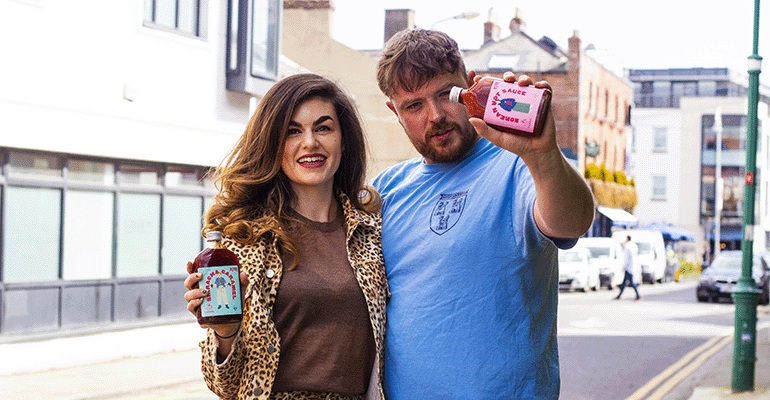
Chimac’s fusion sauces bring Korean flavours to Europe
25 Aug 2026
Irish sauce brand Chimac is tapping into Korea’s culinary traditions, bringing its flavours and products to European consumers who want a taste of K-food.
Read more
Global demand for instant noodles continues to rise
24 Aug 2026
Global demand for instant noodles reached 124.21 billion servings last year, representing a 0.7% year-on-year increase – or 900 million extra servings.
Read more
Popular barbecue staples experience sharp price increases
19 Aug 2026
The typical cost of US shoppers’ barbecue baskets has risen by 12% over the past year – the fastest annual rise in a decade, figures from The Economist show.
Read more
Hot NPD: Nissin launches first cold-water Cup Noodles
18 Aug 2026
Nissin is taking one of Japan’s most iconic instant meals in a completely new direction with the launch of the first cold water-only Cup Noodles in the brand’s 55-year history.
Read more