
Ingredients Categories
Finished Products
Finished Food Categories
- Bakery
- Beverages / Juices
- Cereal and grain products
- Confectionery
- Cooking Fats & Oils
- Dairy
- Egg products
- Fruits & Vegetables
- Infant & Baby food
- Meat, Poultry & Fish
- Nuts & Seeds products
- Other Finished Food Categories
- Pet Food
- Plant-based foods
- Prepared foods
- Sauces & Seasonings
- Sweet & Savoury Spreads
Specialised Finished Products
- Bee products
- Biotic products
- Dietary supplements
- Energy drinks
- Functional beverages
- Functional confectionery
- Functional food
- Functional powders
- Meal replacement products
- Nutricosmetics
- Other Specialised Finished Products
- Pet Dietary Supplements
- Pharma and OTC products
- Protein products
- Sugar replacers / Sweeteners
Health & Wellness Areas
Delivery Formats
Operations & Services
- 3D printing
- Analysis/ Testing
- Auditing & certifications
- Blending & mixing
- Bottling
- Certification
- Clinical trials
- Co-packing
- Coating
- Consulting
- Contract manufacturing
- Drying
- Electrospinning
- Encapsulating
- Enzymatic processing
- Extracting
- Extrusion
- Fat structuring
- Fermentation
- Filling
- Flavour development
- Freeze drying
- Granulating/ grinding/ milling / mixing
- High-pressure processing
- Labelling
- Other Operations & Services
- Packaging
- Packet filling
- Pasturising
- Quality assurance
- Saccharification
- Shear cell processing
- Spray drying
- Sterilisation
- Storage & Logistics
- Tabletting
- Toasting / roasting
- Ultra-high temperature processing
News
Butter is Better: Keto is driving resurgence as a premium product
Katja Knox, Editorial Account Manager 11 Feb 2022After years of being shunned as an ingredient, fat is back thanks in large part to the popularity of the keto diet. The market for keto products is growing steadily with the global value of this category forecast to reach $15.6 billion by 2027, according to data from Irish ingredients producer Kerry.
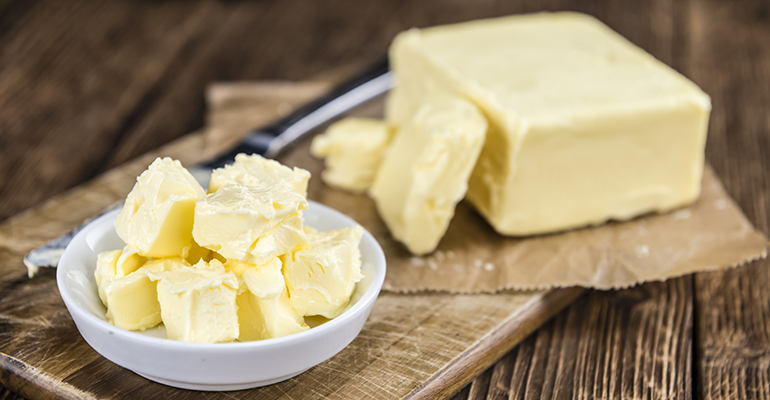
As a diet that promotes low-carb, high-fat combinations, butter has become a preferred ingredient. But not just any butter will do. While traditional butter has seen a surge in sales as the pandemic prompted more people to cook and bake at home, this animal fat has also seen a fair amount of innovation in recent months — particularly in the premium category.
Keto Krisp bars by CanDo recently released its seventh flavor to its bar line up in a Butter & Salt with Collagen flavor that is positioned as a functional snacking option that is keto-friendly. This butter-laden bar is also combined with collagen to create a protein-rich bar with a low ratio of net carbs and sugar. The premiumization of butter as a functional bar ingredient has helped lift the CanDo brand’s sales by 570% year over year.
Other brands are also looking to butter as an ingredient to drive growth. Garden of Life has a grass fed butter powder that is sold as a supplement for those that are looking to integrate additional healthy fats into their diets. At $40 for 300 grams of powder on online retailers, this product clearly positions butter as something better than an accompaniment to toast. And premium grass fed butter has even found its way into coffee beverages like Bulletproof Coffee.
While this interest in butter is nothing new, it is one that is proving to stand the test of time. In 2019, one in six launches with a fat-related claim and healthy fat content carried a keto diet claim, a nearly 300% growth from 2017, according to data from Innova Market Insights. In particular, meal replacement and powdered beverages led the pack for products where healthy fats like butter and ghee are growing rapidly. Bars were another category where healthy fats have a significant presence. According to CanDo, which cited data from SPINS, keto bars propel 65% of the overall growth of the bar category.
Despite the demand for butter that the keto diet is driving, butter has recently seen significant price increases. For the week ending Dec. 11, 2021, butter prices increased 40% as compared to a year prior, according to an analysis of USDA data by IndexBox. At the same time, the amount of butter available decreased. In 2021, butter production declined by 2.8%.
While this does not spell disaster for product innovation, it is worth noting that while butter is a popular ingredient for those on the keto diet, it is not the only healthy fat choice available. MCT oil, coconut oil, and animal fats like bacon are also sources that could potentially replace this star ingredient if the market continues to push up the price of this particular commodity.

Get more of our news on Google
Set Ingredients Network as a 'Preferred Source' to get quicker access to the news you value.
Related news

Do the US dietary guidelines put UPFs under pressure?
10 Sep 2026
Will the US dietary guidelines change the way Americans eat, swapping ultra-processed foods for whole foods? We asked Dr Barry Popkin, renowned nutrition and obesity researcher.
Read more
Food fraud costs UK economy £2bn each year
9 Sep 2026
Food fraud is costing the UK economy up to £2 billion (€2.3 billion) every year although the food sector is more “resilient” than others, according to a recent study.
Read more
Kellogg accelerates work to remove artificial colours from all US cereals
3 Sep 2026
WK Kellogg has announced an accelerated timeline to eliminate all artificial colours and the chemical preservative, BHT, across its full US portfolio of cereals and cereal packaging.
Read more
Skimpflation: An ‘unfair’ and risky approach to keeping prices low
2 Sep 2026
Consumers see skimpflation – reducing the quality of ingredients due to rising costs – as more unfair than shrinkflation, making it a risky strategy according to recent research.
Read more
‘Urgent gaps’ in achieving 2030 food system goals
27 Aug 2026
Global food systems are failing to meet 2030 targets across indicators including health, environment, and resilience, according to a report co-authored by the Food and Agriculture Organisation (FAO).
Read more
Popular barbecue staples experience sharp price increases
19 Aug 2026
The typical cost of US shoppers’ barbecue baskets has risen by 12% over the past year – the fastest annual rise in a decade, figures from The Economist show.
Read more
Savoury protein snacks shake up the on-the-go market
10 Aug 2026
Sweet flavours have dominated the high-protein snack category but savoury snacks, such as cheese bars and meat sticks, can appeal to health-conscious consumers.
Read more
Digital twin technology gains ground in food manufacturing
6 Aug 2026
Food and beverage companies are increasingly turning to digital twins to optimise and automate manufacturing processes, but opportunities stretch far beyond this, say experts.
Read more
Nestlé invests in regeneratively farmed wheat for KitKat
5 Aug 2026
Nestlé will pay a premium for Wildfarmed’s regeneratively farmed wheat but the CPG remains reticent to promote the move on packs of its KitKat bars.
Read more
Codex sets global thresholds for ‘may contain’ labels
3 Aug 2026
Codex Alimentarius has adopted its first global guidance on when to use “may contain” allergen warnings, setting thresholds intended to stop the label being used as blanket legal cover.
Read more