
Ingredients Categories
Finished Products
Finished Food Categories
- Bakery
- Beverages / Juices
- Cereal and grain products
- Confectionery
- Cooking Fats & Oils
- Dairy
- Egg products
- Fruits & Vegetables
- Infant & Baby food
- Meat, Poultry & Fish
- Nuts & Seeds products
- Other Finished Food Categories
- Pet Food
- Plant-based foods
- Prepared foods
- Sauces & Seasonings
- Sweet & Savoury Spreads
Specialised Finished Products
- Bee products
- Biotic products
- Dietary supplements
- Energy drinks
- Functional beverages
- Functional confectionery
- Functional food
- Functional powders
- Meal replacement products
- Nutricosmetics
- Other Specialised Finished Products
- Pet Dietary Supplements
- Pharma and OTC products
- Protein products
- Sugar replacers / Sweeteners
Health & Wellness Areas
Delivery Formats
Operations & Services
- 3D printing
- Analysis/ Testing
- Auditing & certifications
- Blending & mixing
- Bottling
- Certification
- Clinical trials
- Co-packing
- Coating
- Consulting
- Contract manufacturing
- Drying
- Electrospinning
- Encapsulating
- Enzymatic processing
- Extracting
- Extrusion
- Fat structuring
- Fermentation
- Filling
- Flavour development
- Freeze drying
- Granulating/ grinding/ milling / mixing
- High-pressure processing
- Labelling
- Other Operations & Services
- Packaging
- Packet filling
- Pasturising
- Quality assurance
- Saccharification
- Shear cell processing
- Spray drying
- Sterilisation
- Storage & Logistics
- Tabletting
- Toasting / roasting
- Ultra-high temperature processing
News
Non-profit calls on Trump administration to support sugar reduction
Natasha Spencer-Jolliffe, Freelance Journalist 21 Aug 2025The Center for Science in the Public Interest (CSPI) is calling on the US government to create policies that focus on less sugar, not different sugar.
In July, President Donald Trump made headlines by announcing that Coca-Cola would start sweetening its products with cane sugar instead of high-fructose corn syrup.
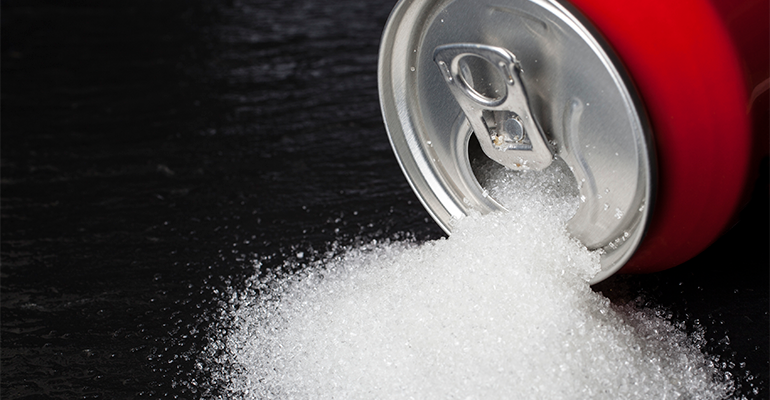
The switch, celebrated by Secretary Kennedy as a win, was met with a post on Truth Social from Trump that read: “This will be a very good move by them – you’ll see. It’s just better!”
Following the endorsement, the CSPI called on the Trump administration to lower the amount of sugar in food and drink formulations rather than opting for alternative sugars.
“Cane sugar may suit the President’s taste, but nutrition scientists widely agree that swapping one type of sugar for another will do nothing to improve health,” it said.
Embracing a new healthy food supply
On 24 July, the CSPI wrote to the US Food and Drug Administration (FDA) to highlight various policies that would make real progress in lowering added sugars in the American diet.
“We believe that the Trump administration should exercise its authority to help Americans consume less sugar, not different sugar,” Alla Hill, senior science policy associate for the CSPI, told Ingredients Network.
Research findings indicate that most consumers across all age groups routinely consume high amounts of added sugars considerably above the recommended intake limit.
In 2025, the FDA updated its definition of “healthy”, placing limits on added sugars, saturated fats, and sodium. The agency now requires food contents to contain a minimum amount of recommended food groups and sub-groups like vegetables, fruits, dairy, protein foods, and whole grains, which contain various nutrients.
Healthier alternatives and better-for-you categories are growing in the US as part of manufacturers’ drive towards balancing consumers’ want for permissible indulgence with healthfulness.
“Consuming excessive amounts of added sugar in foods sweetened with corn syrup is just as harmful to one’s health as consuming excessive amounts of added sugar in foods sweetened with cane sugar, honey, maple syrup, or any other added sugar,” said Hill.
To date, the FDA has not yet published its regulatory agenda, yet available insights do signal the FDA’s removal of its sugar reduction actions. The agency published its updated FDA Foods Program Guidance Under Development, which no longer lists a project spearheading the definition of low added sugar claims.
Recommendations for reducing added sugar
In its letter, the CSPI wrote to the FDA proposing seven strategies for the agency to adopt to lower the amount of added sugar in the US food and drink sector. The aim, underpinning these recommendations, is to empower consumers with information to make healthy choices, combating misleading marketing and improving the US food supply’s healthfulness.
“We want to ensure that the Secretary is aware of all the actionable policy options available to his agency, especially as he is engaged in developing the Make America Healthy Again (MAHA) Commission 100-day report, which is expected to include the Commission’s recommended strategies to improve US children’s health,” said Hill.
The CSPI wants the US government to establish added sugar reduction targets for packaged and restaurant food that are similar to the FDA’s existing sodium reduction targets. Through its sodium feedback loop, the FDA establishes sodium targets, monitors the food supply, evaluates progress towards targets, and engages with stakeholders.
The CSPI is also calling for the Trump administration to mandate front-of-package nutrition labels that highlight when foods are high in added sugar. It also recommends that the administration adopts definitions for “low added sugar” claims and take enforcement action to prevent claims like “lightly sweetened” and “less sweet” on products high in added sugar.
The non-profit also wants US leaders to tackle misleading marketing relating to toddler formulas, which contain added sugar and are not recommended for younger children.
From a manufacturing perspective, the CSPI wants to see the Trump administration encourage companies to label their foods as “healthy” when they meet the FDA’s newly updated definition. The CSPI wants to ensure food shoppers can access complete and transparent nutrition and ingredient information when buying groceries online.

Get more of our news on Google
Set Ingredients Network as a 'Preferred Source' to get quicker access to the news you value.
Related news

Do the US dietary guidelines put UPFs under pressure?
10 Sep 2026
Will the US dietary guidelines change the way Americans eat, swapping ultra-processed foods for whole foods? We asked Dr Barry Popkin, renowned nutrition and obesity researcher.
Read more
Food fraud costs UK economy £2bn each year
9 Sep 2026
Food fraud is costing the UK economy up to £2 billion (€2.3 billion) every year although the food sector is more “resilient” than others, according to a recent study.
Read more
Kellogg accelerates work to remove artificial colours from all US cereals
3 Sep 2026
WK Kellogg has announced an accelerated timeline to eliminate all artificial colours and the chemical preservative, BHT, across its full US portfolio of cereals and cereal packaging.
Read more
Skimpflation: An ‘unfair’ and risky approach to keeping prices low
2 Sep 2026
Consumers see skimpflation – reducing the quality of ingredients due to rising costs – as more unfair than shrinkflation, making it a risky strategy according to recent research.
Read more
NielsenIQ’s EU barometer shows Britain leading in grocery inflation
31 Aug 2026
Britain was the only country to record grocery inflation above 2%, according to NielsenIQ data that compared Europe’s five biggest grocery markets from February to May 2026.
Read more
‘Urgent gaps’ in achieving 2030 food system goals
27 Aug 2026
Global food systems are failing to meet 2030 targets across indicators including health, environment, and resilience, according to a report co-authored by the Food and Agriculture Organisation (FAO).
Read more
Chimac’s fusion sauces bring Korean flavours to Europe
25 Aug 2026
Irish sauce brand Chimac is tapping into Korea’s culinary traditions, bringing its flavours and products to European consumers who want a taste of K-food.
Read more
Global demand for instant noodles continues to rise
24 Aug 2026
Global demand for instant noodles reached 124.21 billion servings last year, representing a 0.7% year-on-year increase – or 900 million extra servings.
Read more
Popular barbecue staples experience sharp price increases
19 Aug 2026
The typical cost of US shoppers’ barbecue baskets has risen by 12% over the past year – the fastest annual rise in a decade, figures from The Economist show.
Read more
Hot NPD: Nissin launches first cold-water Cup Noodles
18 Aug 2026
Nissin is taking one of Japan’s most iconic instant meals in a completely new direction with the launch of the first cold water-only Cup Noodles in the brand’s 55-year history.
Read more