
Ingredients Categories
Finished Products
Finished Food Categories
- Bakery
- Beverages / Juices
- Cereal and grain products
- Confectionery
- Cooking Fats & Oils
- Dairy
- Egg products
- Fruits & Vegetables
- Infant & Baby food
- Meat, Poultry & Fish
- Nuts & Seeds products
- Other Finished Food Categories
- Pet Food
- Plant-based foods
- Prepared foods
- Sauces & Seasonings
- Sweet & Savoury Spreads
Specialised Finished Products
- Bee products
- Biotic products
- Dietary supplements
- Energy drinks
- Functional beverages
- Functional confectionery
- Functional food
- Functional powders
- Meal replacement products
- Nutricosmetics
- Other Specialised Finished Products
- Pet Dietary Supplements
- Pharma and OTC products
- Protein products
- Sugar replacers / Sweeteners
Health & Wellness Areas
Delivery Formats
Operations & Services
- 3D printing
- Analysis/ Testing
- Auditing & certifications
- Blending & mixing
- Bottling
- Certification
- Clinical trials
- Co-packing
- Coating
- Consulting
- Contract manufacturing
- Drying
- Electrospinning
- Encapsulating
- Enzymatic processing
- Extracting
- Extrusion
- Fat structuring
- Fermentation
- Filling
- Flavour development
- Freeze drying
- Granulating/ grinding/ milling / mixing
- High-pressure processing
- Labelling
- Other Operations & Services
- Packaging
- Packet filling
- Pasturising
- Quality assurance
- Saccharification
- Shear cell processing
- Spray drying
- Sterilisation
- Storage & Logistics
- Tabletting
- Toasting / roasting
- Ultra-high temperature processing
News
Tesco trials first ever menopause-dedicated retail space
Simon Pitman, Freelance Journalist 13 Mar 2024The growing awareness about how the menopause can affect women’s health has prompted a slew of bespoke supplement and beauty products. Tesco has become the first major retailer to trial a dedicated menopause-friendly retail space.
The move follows Tesco’s partnership with Gen-M, an organisation dedicated to helping brands connect with women looking for products that provide relief from menopause symptoms or are safe to use during the menopause.

Gen-M’s efforts have resulted in the M-tick, said to be the world’s first logo dedicated to menopause-friendly products. Tesco will be applying the logo to flag up to 30 products on offer in dedicated retail spaces across 200 stores throughout the UK. The trial is taking place over a period of six weeks, until March 19th.
“Tesco is committed to transforming the shopping experience for those going through the menopause and working with Gen-M is the next step in supporting our customers and colleagues,” said Tom Lye, Tesco’s category director for health, beauty, and wellness, in a press statement to support the initiative’s launch.
“We hope the dedicated display in stores and the online filter will provide reassurance around what products are safe to use and help signpost to products that can ease the symptoms associated with menopause.”
Focusing on skincare and supplements
The products will include gummies and supplements from Vitawell, Feroglobin, Menopace, and Perfective, and skincare lines from Simple Age, Nivea, and Olay, as well as a menopause testing kit and incontinence products.
While the in-store menopause-friendly areas are just a trial, the retailer is permanently introducing the menopause filter for online shoppers, which will include over 450 menopause-friendly products.
“There is huge growth potential for menopause-friendly products in retail and I expect that more retailers will step up to the mark with dedicated areas, but they need to be clearly signposted,” said Imogen Matthews, beauty industry commentator & founder of the Premium Market Reports.
“Information at POS [point of sale] will be key, either face-to-face with trained staff or via QR codes and downloadable apps. As is always the case with new categories, education will also be key.”
The potential to expand into food and beverage
Although Tesco is trialing the scheme by focusing on supplements and skincare products, the scope exists to branch out into a new crop of menopause-friendly food and beverage products.
 © iStock/TonyBaggett
Ingredients Network recently reported about D’Amazonia launching a tea aimed at menopausal women, part of a small number of functional beverage launches that are starting to target the space.
The British Nutrition Foundation says women should avoid caffeine and alcohol, while recommending certain supplements to help alleviate symptoms. The foundation also points to studies suggesting that certain soya products can help alleviate specific symptoms such as hot flushes and night sweats.
Gen-M has identified 48 symptoms associated with the menopause, many of which can have serious health implications for women. There is a growing awareness about the impact of these symptoms can, which in turn has led to increased interest in products that can help women through what can be a challenging time in their lives, whether that be for preventative measures or the treatment of symptoms.
The future role of specialist health and beauty retailers
Matthews believes that while Tesco’s move into menopause-friendly products is interesting and provides a cohesive space for this type of product, the retailer may not be the first place that women think of to go and buy such products.
“It is interesting that a grocery retailer was first out of the blocks with its menopause-friendly initiative in advance of guidance from the Equality and Human Rights Commission (EHRC) to employers on their legal obligations towards menopausal women,” said Matthews.
“I’m not entirely convinced that menopausal women will think to buy these products when they are doing their weekly shop. More likely is that they will look to pharmacy retailers, such as Boots, who have yet to commit to a dedicated menopause section. Although Boots stocks a variety of menopause-friendly products, including oral supplements, skincare, haircare and sexual health products, they tend to be scattered throughout the stores rather than bringing them together in a dedicated space.”

Get more of our news on Google
Set Ingredients Network as a 'Preferred Source' to get quicker access to the news you value.
Related news

Do the US dietary guidelines put UPFs under pressure?
10 Sep 2026
Will the US dietary guidelines change the way Americans eat, swapping ultra-processed foods for whole foods? We asked Dr Barry Popkin, renowned nutrition and obesity researcher.
Read more
Food fraud costs UK economy £2bn each year
9 Sep 2026
Food fraud is costing the UK economy up to £2 billion (€2.3 billion) every year although the food sector is more “resilient” than others, according to a recent study.
Read more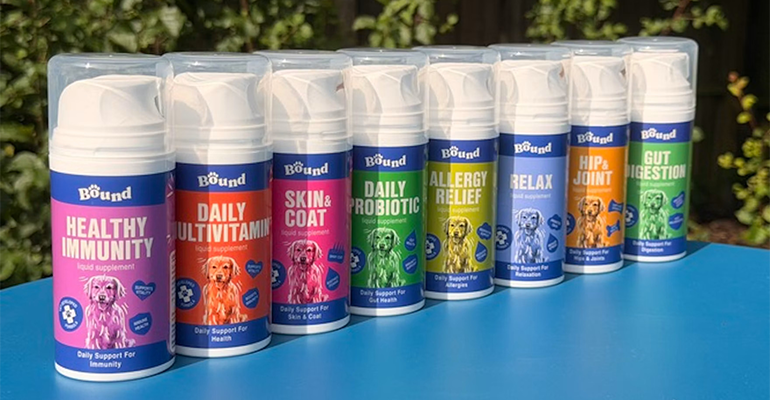
Pump-based liquid pet supplement focuses on health and convenience
8 Sep 2026
Prefera Pet Food uses a plastic pump-based packaging to make administering its liquid supplements for cats and dogs easier, healthier, and more accurate.
Read more
Health and wellness engagement matures across Middle East and Africa
4 Sep 2026
Many consumers in the Middle East and Africa are now proactively engaged in health and wellness, looking to integrate better habits and products into their daily lives, say experts.
Read more
Kellogg accelerates work to remove artificial colours from all US cereals
3 Sep 2026
WK Kellogg has announced an accelerated timeline to eliminate all artificial colours and the chemical preservative, BHT, across its full US portfolio of cereals and cereal packaging.
Read more
Royal Canin launches ‘freshly-cooked’ therapeutic dog food
1 Sep 2026
Mars-owned Royal Canin has moved into the therapeutic diet sector with the launch of its Fresh Veterinary Diets range for dogs with health conditions. We asked a veterinary nutritionist for her opinion.
Read more
‘Urgent gaps’ in achieving 2030 food system goals
27 Aug 2026
Global food systems are failing to meet 2030 targets across indicators including health, environment, and resilience, according to a report co-authored by the Food and Agriculture Organisation (FAO).
Read more
Seven-Eleven uses microbial testing tech to extend katsudon shelf life
26 Aug 2026
Japanese retail company Seven-Eleven has improved its factory’s microbial environment to keep comfort-food staple, katsudon, fresher for longer.
Read more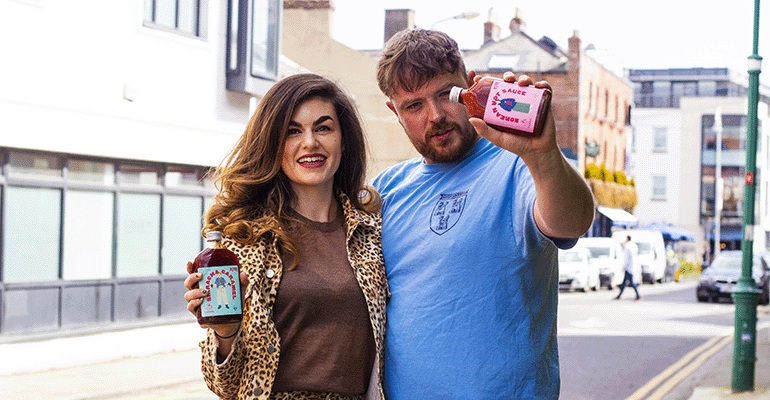
Chimac’s fusion sauces bring Korean flavours to Europe
25 Aug 2026
Irish sauce brand Chimac is tapping into Korea’s culinary traditions, bringing its flavours and products to European consumers who want a taste of K-food.
Read more
China beverages: Is herbal innovation the future?
20 Aug 2026
Herbal and botanical innovation in China's drinks market continues to grow, with ingredients like astragalus root, ginger, and ginseng in the spotlight – and focus shifting far beyond refreshment.
Read more