
Ingredients Categories
Finished Products
Finished Food Categories
- Bakery
- Beverages / Juices
- Cereal and grain products
- Confectionery
- Cooking Fats & Oils
- Dairy
- Egg products
- Fruits & Vegetables
- Infant & Baby food
- Meat, Poultry & Fish
- Nuts & Seeds products
- Other Finished Food Categories
- Pet Food
- Plant-based foods
- Prepared foods
- Sauces & Seasonings
- Sweet & Savoury Spreads
Specialised Finished Products
- Bee products
- Biotic products
- Dietary supplements
- Energy drinks
- Functional beverages
- Functional confectionery
- Functional food
- Functional powders
- Meal replacement products
- Nutricosmetics
- Other Specialised Finished Products
- Pet Dietary Supplements
- Pharma and OTC products
- Protein products
- Sugar replacers / Sweeteners
Health & Wellness Areas
Delivery Formats
Operations & Services
- 3D printing
- Analysis/ Testing
- Auditing & certifications
- Blending & mixing
- Bottling
- Certification
- Clinical trials
- Co-packing
- Coating
- Consulting
- Contract manufacturing
- Drying
- Electrospinning
- Encapsulating
- Enzymatic processing
- Extracting
- Extrusion
- Fat structuring
- Fermentation
- Filling
- Flavour development
- Freeze drying
- Granulating/ grinding/ milling / mixing
- High-pressure processing
- Labelling
- Other Operations & Services
- Packaging
- Packet filling
- Pasturising
- Quality assurance
- Saccharification
- Shear cell processing
- Spray drying
- Sterilisation
- Storage & Logistics
- Tabletting
- Toasting / roasting
- Ultra-high temperature processing
News
‘Healthy’ additives make ultra-processed foods more appealing
Beth Newhart, Freelance Journalist 4 Jan 2024
Almost three-quarters (74%) of Americans would try an ultra-processed food if it provided a health benefit such as better sleep, better immunity, or increased energy, according to an industry survey.
Taste, ingredient quality and convenience are the most important factors to participants when it comes to choosing and paying more for processed foods, according to a survey of 2,000 American adults conducted by plant cell technology company Ayana Bio.
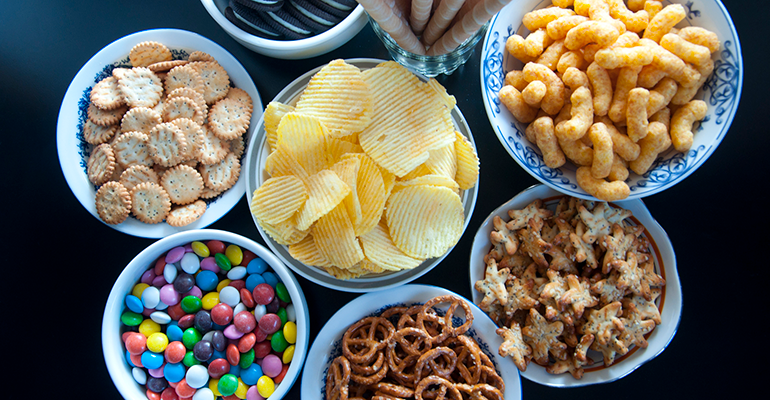
UPFs typically have been processed multiple times and “contain additives such as preservatives, sweeteners, sensory enhancers, colourants, flavours and processing aids", Ayana Bio said in a press release.
“For consumers, health in the context of food is more about increased benefits than reduced harm. The survey found that most people (64%) think of ‘healthier’ foods as foods that are more nutritious, rather than foods that have less harmful ingredients like fat, sugar, and salt,” the company said.
Redesigning UPFs to keep up with fresh food
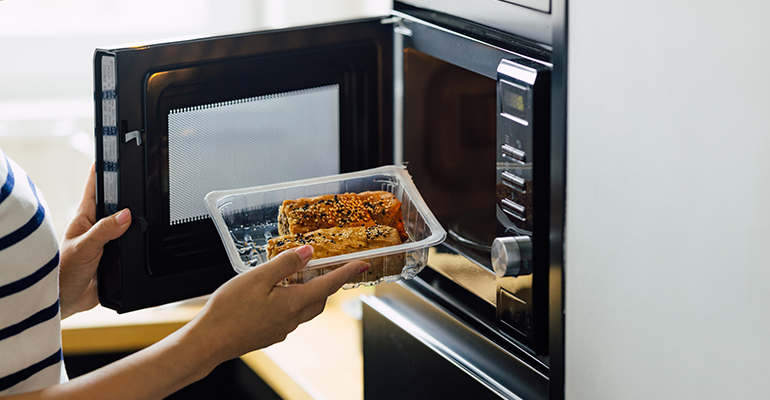
There is an undeniably negative perception surrounding processed foods due to their added preservatives and other ingredients. They are regarded as quite unhealthy, and include packaged snacks like chips, candy, crackers and cookies, frozen meals, soda, and fast food.
However, just 57% of survey participants agreed that all UPFs are bad for one’s health while 82% of adults reported that UPFs are a part of their diets, mostly because of their taste, convenience, longer shelf life and lower prices.
Adults under age 35 were more interested in trying and paying more for healthier ultra-processed foods compared to older adults. And 74% said they would be willing to try an ultra-processed food if it included a health benefit such as better sleep, better immunity or increased energy. Ingredient quality is an important factor to consumers, particularly with processed foods.
"The media has painted a discouraging picture of ultra-processed foods, but the reality is the cost of fresh food can be prohibitive for many. We need processed food to take the pressure off fresh food supplies and innovative, cost effective and nutrient-dense ingredients that can be integrated into the foods people are reaching for to yield accessible, sustainable and nourishing food for the masses," said Frank Jaksch, CEO of Ayana Bio.
 © iStock/FreshSplash
Ayana Bio commercialises healthy bioactives with plant cell cultivation technology. It aims to produce affordable and nutritious ingredient additives that can be used to make healthier processed foods.
For now, UPFs still pose a health risk
Despite the push for healthier additive ingredients, doctors and health officials do generally recommend against UPFs in the average diet.
Harvard Medical School said to try to avoid or limit UPFs “whenever possible,” and cited research that suggests an association between ultra-processed diets and heart disease. The British Heart Foundation agrees, but acknowledges the challenges of avoiding processed food altogether.
“Instead of trying to completely cut out these foods, think about the balance in your diet. Make sure that there are minimally processed foods in there too,” the Foundation said on its website.
“It’s also important to remember that not all ultra-processed foods are equal. When you do include ultra-processed foods in your diet, choose those with more nutritional benefit – wholegrain bread and cereals or baked beans for example, instead of crisps, sweets or pizzas.
The Heart and Stroke Foundation of Canada said that Canadians consume almost 50% of their daily calories from UPFs, and warns consumers to be vigilant about food labels.
“Be wary of deceptive food marketing and advertising. Ultra-processed foods are often marketed as ‘healthy,’ ‘natural’ and ‘organic.’ While these words may describe the original ingredients, they don’t refer to the process of how the food was made,” the foundation said.
“Eating fresh, unprocessed, whole food will do a lot of good for your body – including reducing your risk for high blood pressure, heart disease, type 2 diabetes and stroke.”

Get more of our news on Google
Set Ingredients Network as a 'Preferred Source' to get quicker access to the news you value.
Related news

Do the US dietary guidelines put UPFs under pressure?
10 Sep 2026
Will the US dietary guidelines change the way Americans eat, swapping ultra-processed foods for whole foods? We asked Dr Barry Popkin, renowned nutrition and obesity researcher.
Read more
Food fraud costs UK economy £2bn each year
9 Sep 2026
Food fraud is costing the UK economy up to £2 billion (€2.3 billion) every year although the food sector is more “resilient” than others, according to a recent study.
Read more
Kellogg accelerates work to remove artificial colours from all US cereals
3 Sep 2026
WK Kellogg has announced an accelerated timeline to eliminate all artificial colours and the chemical preservative, BHT, across its full US portfolio of cereals and cereal packaging.
Read more
Skimpflation: An ‘unfair’ and risky approach to keeping prices low
2 Sep 2026
Consumers see skimpflation – reducing the quality of ingredients due to rising costs – as more unfair than shrinkflation, making it a risky strategy according to recent research.
Read more
NielsenIQ’s EU barometer shows Britain leading in grocery inflation
31 Aug 2026
Britain was the only country to record grocery inflation above 2%, according to NielsenIQ data that compared Europe’s five biggest grocery markets from February to May 2026.
Read more
‘Urgent gaps’ in achieving 2030 food system goals
27 Aug 2026
Global food systems are failing to meet 2030 targets across indicators including health, environment, and resilience, according to a report co-authored by the Food and Agriculture Organisation (FAO).
Read more
Chimac’s fusion sauces bring Korean flavours to Europe
25 Aug 2026
Irish sauce brand Chimac is tapping into Korea’s culinary traditions, bringing its flavours and products to European consumers who want a taste of K-food.
Read more
Global demand for instant noodles continues to rise
24 Aug 2026
Global demand for instant noodles reached 124.21 billion servings last year, representing a 0.7% year-on-year increase – or 900 million extra servings.
Read more
Popular barbecue staples experience sharp price increases
19 Aug 2026
The typical cost of US shoppers’ barbecue baskets has risen by 12% over the past year – the fastest annual rise in a decade, figures from The Economist show.
Read more
Hot NPD: Nissin launches first cold-water Cup Noodles
18 Aug 2026
Nissin is taking one of Japan’s most iconic instant meals in a completely new direction with the launch of the first cold water-only Cup Noodles in the brand’s 55-year history.
Read more