
Ingredients Categories
Finished Products
Finished Food Categories
- Bakery
- Beverages / Juices
- Cereal and grain products
- Confectionery
- Cooking Fats & Oils
- Dairy
- Egg products
- Fruits & Vegetables
- Infant & Baby food
- Meat, Poultry & Fish
- Nuts & Seeds products
- Other Finished Food Categories
- Pet Food
- Plant-based foods
- Prepared foods
- Sauces & Seasonings
- Sweet & Savoury Spreads
Specialised Finished Products
- Bee products
- Biotic products
- Dietary supplements
- Energy drinks
- Functional beverages
- Functional confectionery
- Functional food
- Functional powders
- Meal replacement products
- Nutricosmetics
- Other Specialised Finished Products
- Pet Dietary Supplements
- Pharma and OTC products
- Protein products
- Sugar replacers / Sweeteners
Health & Wellness Areas
Delivery Formats
Operations & Services
- 3D printing
- Analysis/ Testing
- Auditing & certifications
- Blending & mixing
- Bottling
- Certification
- Clinical trials
- Co-packing
- Coating
- Consulting
- Contract manufacturing
- Drying
- Electrospinning
- Encapsulating
- Enzymatic processing
- Extracting
- Extrusion
- Fat structuring
- Fermentation
- Filling
- Flavour development
- Freeze drying
- Granulating/ grinding/ milling / mixing
- High-pressure processing
- Labelling
- Other Operations & Services
- Packaging
- Packet filling
- Pasturising
- Quality assurance
- Saccharification
- Shear cell processing
- Spray drying
- Sterilisation
- Storage & Logistics
- Tabletting
- Toasting / roasting
- Ultra-high temperature processing
News
Protein boom: Whey protein prices almost triple in one year
David Burrows, Freelance Journalist 13 Jul 2026Fuelled by the protein trend, prices of whey ingredients keep rising, leading processors to invest billions to increase supply – and creating risks for dairy market stability.
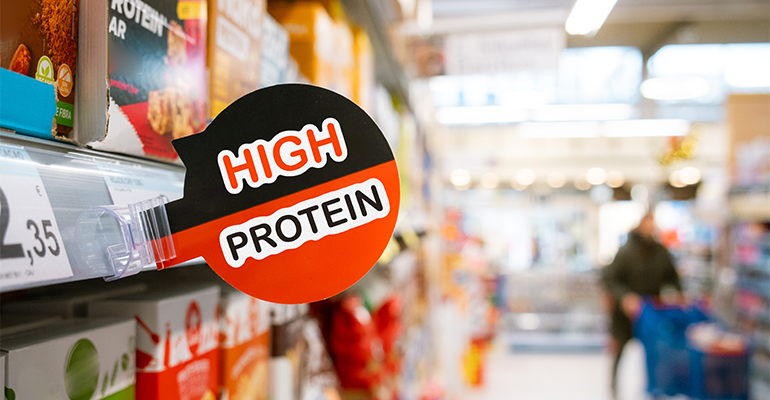
Demand for protein to add to packaged food and drink has led to an eye-watering rise in the price of whey protein isolate and concentrate.
At a glance:
- Prices for whey protein concentrate and isolate keep rising.
- Appetite suppressants and the ‘protein-first’ push across food and drink are key factors driving demand.
- Investment by dairy processors to increase whey protein supply could hurt cheese prices.
In the UK, The Guardian reported how concerns are mounting that a shortage of the ingredients is imminent. And it is a similar story of supply struggles in Europe and the US, where manufacturers are adding protein to everything from breakfast cereals and bagels to drinks and milk foams (like those added to coffees at Starbucks).
The Wall Street Journal reported how the “protein-in-everything craze|” has depleted supplies of whey protein concentrate, a powder long used to fortify sports drinks and infant formula.
Prices are up as supply is squeezed and demand shows no sign of waning.
“Protein is having a moment, and the dairy supply chain is feeling it,” noted agtech firm Ever.Ag in June.
Whey protein prices have almost tripled in a year
The DCA Market Intelligence benchmark for whey protein concentrate 80% (WPC80) reached €26,450 per tonne at the end of May. The benchmark for whey protein isolate 90% (WPI90) remains unchanged, but “the entire market for high whey proteins continues to move upward”, the analysts noted.
Less than a year ago, the WPC80 price stood at around €12,000 per tonne, while three or four years ago prices were still below €5,000 per tonne. Some believe the €30,000 per tonne mark is just around the corner; instant quality WPC80 has reached €29,000 in some sales already, according to reports.
Whey: Dairy by-product becomes a ‘strategic’ star ingredient
This boom is redefining value in the dairy supply chain, which comes with pros for protein production but cons for cheese potentially.
Traditionally considered a by-product of cheese production, whey is increasingly becoming a “strategic ingredient for the food industry”; and this shift is directly reflected in pricing, according to DCA dairy market analyst Wouter Baan.
“Whey is moving from a by-product to an ingredient with active demand. As a result, pricing is becoming less volume-driven and more influenced by functional applications,” he said.
Use of appetite suppressing medicines and the ‘protein-first’ push that has swept across supermarkets are increasing demand. So too is sports nutrition, which is now mainstream rather than niche.
GLP-1 has users hungry for more protein
“GLP-1 has changed who buys protein, and the whey market is still catching up”, noted Vesper, a commodity intelligence platform for dairy, in a social media post earlier in June.
People taking GLP-1 and similar medications are often advised to increase their protein consumption to help preserve muscle mass while losing weight.
Demand for high-protein fractions like WPI and WPC80 has for example grown larger and less seasonal, while supply has been slow to follow.
“The market conversation is changing,” explained Vesper dairy analyst Jasper Endlich. “The focus is less on whether protein demand will slow down and more on how companies can secure supply and adapt formulations in a structurally tighter protein market,” he added.
This shift has elevated whey from a low-value by-product of cheese production into one of the most profitable components of the milk stream.
Dairy processors are racing to keep up, but turning the tap on to increase the supply of whey protein will take time.
Dairy digs deep with huge investments; but at what cost?
In May, for example, FrieslandCampina announced an investment programme of more than €90m euros at its ingredients production network in the Netherlands.
This included technological upgrades across multiple production sites to support the manufacture of advanced protein products such as WPC80, ‘instantised’ whey proteins (those treated with emulsifiers), and microparticulated whey protein (MWP), which are used by food manufacturers in high‑protein drinks, bars and yoghurts.
Meanwhile, Tirlán, an Irish dairy cooperative, recently announced plans for a €126m investment in a state-of-the-art whey processing facility at its Ballyragget site in Kilkenny.
Fellow cooperative, Dairy Farmers of America (DFA), has invested in Greek yoghurt directly infused with whey protein isolates. In April, DFA launched the highest protein cottage cheese available on the US market (18g compared to 12g or 13g). Some 70% of Americans actively seek more proteins in their diet, the cooperative noted, with protein “a defining consumer priority in food”.
More than $11bn has been committed to 53 new or expanded US dairy processing facilities expected to come online by 2028, according to experts at Iowa State University.
Whey protein production boom could cause oversupply of cheese
For processors, the implications are significant. In some cases, cheese plants are now generating more revenue from whey than from cheese itself, the academics noted in an April update. As a result, manufacturers are expanding cheese production to capture higher whey returns, “fundamentally altering milk utilisation patterns”.
This brings potential rewards (favourable contracts going forward) but also “market risks”, they explained: “Because whey is co-produced with cheese, higher output could lead to a temporary oversupply of cheese, putting downward pressure on cheese prices even as whey values remain strong. Producers should be aware of the potential for short-term price volatility as markets adjust to increased capacity.”

Get more of our news on Google
Set Ingredients Network as a 'Preferred Source' to get quicker access to the news you value.
Related news

Do the US dietary guidelines put UPFs under pressure?
10 Sep 2026
Will the US dietary guidelines change the way Americans eat, swapping ultra-processed foods for whole foods? We asked Dr Barry Popkin, renowned nutrition and obesity researcher.
Read more
Health and wellness engagement matures across Middle East and Africa
4 Sep 2026
Many consumers in the Middle East and Africa are now proactively engaged in health and wellness, looking to integrate better habits and products into their daily lives, say experts.
Read more
Skimpflation: An ‘unfair’ and risky approach to keeping prices low
2 Sep 2026
Consumers see skimpflation – reducing the quality of ingredients due to rising costs – as more unfair than shrinkflation, making it a risky strategy according to recent research.
Read more
‘Urgent gaps’ in achieving 2030 food system goals
27 Aug 2026
Global food systems are failing to meet 2030 targets across indicators including health, environment, and resilience, according to a report co-authored by the Food and Agriculture Organisation (FAO).
Read more
Seven-Eleven uses microbial testing tech to extend katsudon shelf life
26 Aug 2026
Japanese retail company Seven-Eleven has improved its factory’s microbial environment to keep comfort-food staple, katsudon, fresher for longer.
Read more
Chimac’s fusion sauces bring Korean flavours to Europe
25 Aug 2026
Irish sauce brand Chimac is tapping into Korea’s culinary traditions, bringing its flavours and products to European consumers who want a taste of K-food.
Read more
Global demand for instant noodles continues to rise
24 Aug 2026
Global demand for instant noodles reached 124.21 billion servings last year, representing a 0.7% year-on-year increase – or 900 million extra servings.
Read more
Popular barbecue staples experience sharp price increases
19 Aug 2026
The typical cost of US shoppers’ barbecue baskets has risen by 12% over the past year – the fastest annual rise in a decade, figures from The Economist show.
Read more
Hot NPD: Nissin launches first cold-water Cup Noodles
18 Aug 2026
Nissin is taking one of Japan’s most iconic instant meals in a completely new direction with the launch of the first cold water-only Cup Noodles in the brand’s 55-year history.
Read more
Manam Chocolate aims to bring premium Indian cacao to 'the world stage'
11 Aug 2026
Craft chocolate brand Manam Chocolate is investing in local expansion and supply chain innovation throughout India as it works to build out the premium reputation of its locally produced cacao products.
Read more